
Sales Kickoff Hosts vs Motivational Speakers: Picking the Right One | DJ Will Gill
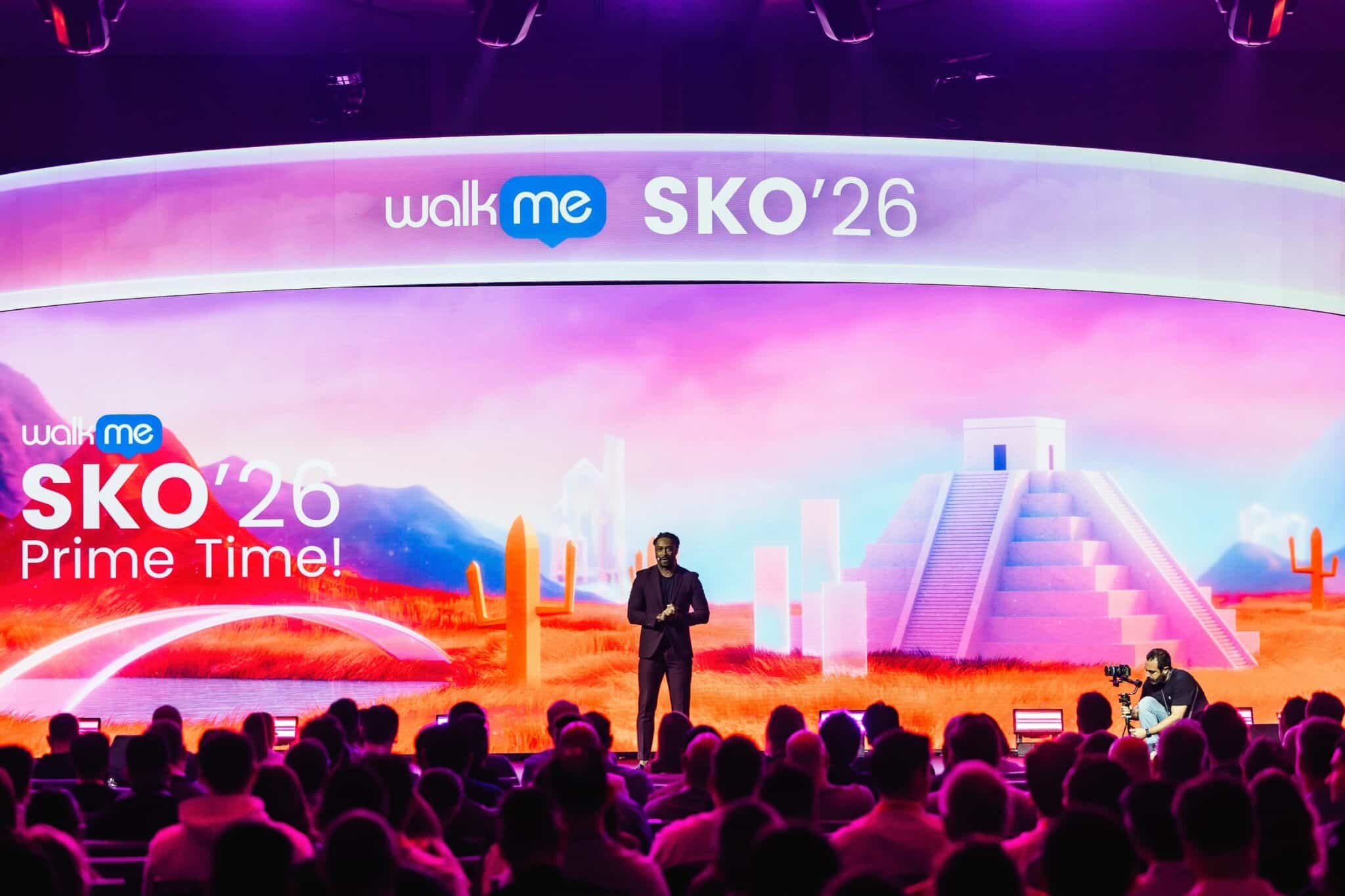
Every sales kickoff conversation starts with the same question: who is going to deliver the big keynote? The default answer for the last 20 years has been “a motivational speaker.” Big name, big fee, one big hour on Day 1, the room walks out fired up. The model works. It also produces a recurring Day 2 problem. The motivational speaker is gone by Tuesday lunch. The room still has 24 to 36 hours of agenda to get through. Energy fades through the breakout sessions, drags through the recognition segments, and lands on the closing remarks like a polite thank-you. Leadership reads the post-event survey and sees the keynote landed great and the rest of the event landed flat. The next year, the cycle repeats.
The category that fixes the Day 2 problem is the sales kickoff host. Not the same role as a motivational speaker. Not the same role as an emcee. A specific category of operator who carries the energy, the transitions, the recognition, and the audience engagement across the full multi-day program. Industry coverage of sales kickoff talent selection is now flagging this category explicitly: an event that leans too heavily into motivation can leave teams energised but unclear on next steps, and the practical answer is to brief with care, design the agenda as a whole, and choose speakers whose strengths match the moment your audience is in. This piece walks through the honest scope of each role, where each wins, and how to decide which your SKO actually needs.
Want a sales kickoff host who runs the multi-day room, not just delivers one keynote hour? Contact DJ Will Gill.
Key Takeaways
- A motivational speaker delivers one peak moment (45 to 60 minutes typically). A sales kickoff host carries the full multi-day program: transitions, recognition, audience engagement, and energy management.
- The two roles are not interchangeable. Motivational speakers do not stay for Day 2. Sales kickoff hosts do not deliver a 60-minute thought-leadership keynote.
- Most premium SKOs need both. The motivational speaker anchors the year’s message in one hour. The sales kickoff host runs the rest of the program around it.
- For smaller SKOs (under 200 attendees, 1 to 2 days), a strong host alone can usually carry the program without a separate big-name keynote.
- The budget conversation should treat them as separate categories. Hiring one to do both is the default failure mode.
1. The Sales Kickoff Problem Motivational Speakers Alone Can’t Solve
Sales kickoffs are structurally different from most corporate events. They are usually multi-day, multi-session, multi-audience programs that anchor the entire fiscal year. Industry coverage of SKO planning frames the stakes directly: the Sales Kickoff serves as the cultural and strategic anchor for the entire fiscal year, with average in-person sales event costs running $1,000 to $2,000 per attendee, which makes a mediocre keynote not just a disappointment but a significant financial risk. The motivational speaker model concentrates the spend on one hour. The math gets harder when the program runs three or four days.
A typical multi-day SKO program looks like this:
- Day 1 morning. Opening keynote. Energy peak.
- Day 1 afternoon. Strategy rollout. Product updates. Energy already easing.
- Day 1 evening. Welcome reception, sometimes recognition dinner.
- Day 2 morning. Breakout sessions. Sales training. Energy moderate at best.
- Day 2 afternoon. More sessions. Late-afternoon energy dip is structural.
- Day 2 evening. Awards night. Recognition dinner. High-stakes energy moment.
- Day 3. Closing remarks. Sales floor activation. Team-building. Send-off.
The motivational speaker owns Day 1 morning. They are usually on the way to the airport by Day 1 lunch. The remaining 80% of the program (and 80% of the SKO budget by total attendee-hours) runs without their voice. That is the gap the sales kickoff host category exists to fill.
2. What a Motivational Speaker Actually Delivers at a Sales Kickoff
The motivational speaker’s job at an SKO is concentrated, high-impact, and short. Industry coverage of sales kickoff speaker selection in 2026 frames the modern bar: the best speaker for a sales kickoff is not simply motivational; they clarify strategy, equip teams with actionable frameworks, and embed behaviors that accelerate conversion, deal velocity, and customer trust, with speakers who combine experience and methodology connecting science, story, and sales strategy.
What the motivational speaker actually delivers:
- One 45 to 60 minute keynote. A single message, structured argument, designed to land with the room and stick through the year.
- Concentrated brand authority. A motivational speaker brings their name recognition, book sales, LinkedIn following, and platform credibility to the room. This matters for marketing the SKO internally and for justifying the spend to leadership.
- A defining year-ahead message. The single intellectual framework or rallying idea that leadership wants the sales team to carry through the year.
- Energy peak that resets the room. The keynote often coincides with the highest energy moment of the SKO. It is the emotional anchor.
- Sometimes Q&A or breakout session. Premium-tier speakers may stay for an additional hour. Most do not.
- Sometimes post-event follow-through. Newer speakers bundle in workbooks, video reinforcement, or coaching calls. Older “stage only” speakers do not.
What the motivational speaker typically does NOT deliver:
- Day 2 or Day 3 attendance. They are not in the room past their slot.
- Session-to-session energy management. They are not running the room between speakers.
- Recognition moments. Not their job. They deliver content, not awards.
- Customization to the company’s specific content. Most motivational speakers adapt their existing talk, not build a new one. Industry guidance notes the importance of looking for someone with proven sales experience who understands your industry’s unique challenges and can customize their content to match your company’s goals precisely because customization is not the default.
When this is the right hire: when the SKO has a defining year-ahead message that needs an outside authority to anchor it. When it is the wrong hire: when the SKO needs sustained energy across multiple days more than it needs a single big-name moment.
3. What a Sales Kickoff Host Actually Delivers (Honest Scope)
The sales kickoff host operates on a different timescale. Their job is not to deliver one peak. It is to run the room across the full multi-day program. Industry coverage of corporate host roles captures the underlying difference: the host controls the flow, energy, pacing, and emotional experience of the room, bridging business objectives and audience engagement in real time, and hosting an event and speaking at an event are completely different skills.
What the sales kickoff host actually delivers:
- Multi-day attendance. Day 1 through Day 3. Onstage for the open, present for the breakouts, anchoring the evening events, running the close.
- Energy management across sessions. The post-lunch lull. The Day 2 afternoon dip. The Day 3 send-off. All of these are host moments, not keynote moments.
- Recognition program execution. Awards night, top-performer call-outs, President’s Club moments. The host runs these.
- Transition management between speakers. Lifting the next speaker’s intro. Recovering when a speaker runs over. Filling unexpected gaps gracefully.
- Audience engagement design. Industry coverage of corporate host roles notes the modern bar: the role of the MC is evolving, with passive hosting styles fading and modern companies increasingly looking for hosts who provide more than simple announcements, instead expecting interactive participation as the default. Games, polls, interactive moments are all part of the host’s brief.
- Customization to the SKO’s specific content. The host learns the product names, the leadership team, the year’s theme, the recognition recipients. None of this is generic.
- Real-time recovery. Tech failures, late speakers, weather-disrupted travel. The host adjusts the run-of-show on the fly.
What the sales kickoff host typically does NOT deliver:
- A 60-minute thought-leadership keynote. The host’s onstage moments are distributed across the program, not concentrated.
- Outside-authority brand. A host’s value is operational craft, not name recognition. They do not draw an audience to the SKO.
- A defining year-ahead intellectual framework. That belongs to either the CEO, the keynote speaker, or both.
When this is the right hire: when the SKO needs sustained energy and program execution across multiple days. When it is the wrong hire alone: when the SKO needs a marquee name to anchor the year-ahead message.
4. Side-by-Side: Where Each Role Wins
A working comparison across the dimensions that actually matter at an SKO:
- Onstage time. Motivational speaker: 45 to 60 minutes total. Sales kickoff host: distributed across 3 to 12 hours over multiple days.
- Days on-site. Motivational speaker: typically one. Sales kickoff host: full duration of the SKO.
- Content depth. Motivational speaker: deep on one topic. Sales kickoff host: light on content, deep on operational craft.
- Customization level. Motivational speaker: adapts existing talk. Sales kickoff host: built specifically around the company’s run-of-show.
- Recognition program execution. Motivational speaker: not their job. Sales kickoff host: core deliverable.
- Real-time recovery authority. Motivational speaker: limited to their slot. Sales kickoff host: across the full program.
- Brand pull. Motivational speaker: high (name recognition drives attendance buy-in). Sales kickoff host: low (operational craft, not name draw).
- Marketing value for internal SKO promotion. Motivational speaker: high (the name on the agenda matters). Sales kickoff host: low (their value shows up in the room, not in the pre-event email).
- Year-ahead message anchoring. Motivational speaker: their job. Sales kickoff host: not their job.
- Multi-day energy curve management. Motivational speaker: not applicable. Sales kickoff host: core deliverable.
The two roles do not overlap in any meaningful way. They are not competitive hires. They are complementary hires that fill different gaps in the SKO program.
5. The Multi-Day SKO Math: One Keynote vs Sustained Host
The budget conversation usually compares the two roles as competing line items. The honest math compares them as different ROI categories.
Motivational speaker ROI math. One hour of content. Year-long memory of one message. Internal marketing pull. External validation of the spend. The ROI is concentrated and visible: the room walked in skeptical, walked out energized. That energy lift is real and measurable in post-event survey scores. It is also short-lived without the rest of the program reinforcing it.
Sales kickoff host ROI math. Distributed across the full program. Day 2 retention. Day 3 send-off energy. Recognition program execution quality. Multi-day attendee survey scores. The ROI is harder to point to as a single moment because it is in every hour of the program that did not collapse.
A working framework for which math wins:
- Single-day SKOs (under 8 hours total). A strong host alone usually carries the program. A separate motivational speaker may or may not be necessary depending on whether a year-ahead anchor message is needed.
- Two-day SKOs. The host is the critical hire. A motivational speaker is a strong-but-optional addition.
- Three-day or longer SKOs. Most premium programs need both. The keynote anchors Day 1. The host runs everything else.
- Multi-site or roadshow SKOs. A host who travels with the program creates continuity. A motivational speaker delivered at one stop and not the others creates inconsistency.
- Hybrid SKOs with a virtual audience. The host is essential for managing the virtual stream alongside the room. Motivational speaker is optional.
A working rule of thumb: if the SKO runs more than one day, the host is the higher-leverage hire on a per-hour basis. The motivational speaker is the higher-leverage hire on a per-moment basis. Premium SKOs invest in both because they need both.
6. When Your SKO Needs Both (And How to Structure the Day)
Most premium SKOs need both a motivational speaker and a sales kickoff host. The working structure puts each in their highest-leverage role and avoids asking either to do the other’s job.
A working multi-day structure for an SKO with both:
- Day 1 morning. Host opens. Welcome, agenda overview, energy lift, hand-off into the CEO keynote.
- Day 1 morning. CEO delivers internal keynote. Strategy, year-ahead framing, leadership voice on the company’s narrative.
- Day 1 morning. Host introduces motivational speaker. 60 to 90 seconds, structured to lift the keynote.
- Day 1 mid-morning. Motivational speaker delivers their hour. Fresh, focused, mentally rehearsed. No competing duties.
- Day 1 late morning. Host reclaims the room. References the keynote thesis, reactivates the audience, transitions into breakouts.
- Day 1 afternoon and Day 2. Host runs the program. Strategy rollouts, product updates, breakouts, recognition moments. Energy management throughout.
- Day 2 evening. Host runs the awards. Recognition, top-performer call-outs, President’s Club moments. This is the host’s biggest single onstage block.
- Day 3. Host closes. References the year’s theme, anchors the take-home message, sends the room off.
In this structure, the motivational speaker owns one perfect hour. The CEO owns the internal narrative. The host owns the operational continuity that makes both moments land. None of them is doing another’s job. Industry coverage of host-role evolution makes the underlying point: neither role is “better” because they serve different event formats, with the right choice depending on the event format, audience, and what the program is trying to achieve, and many corporate events benefit from having both roles staffed.
When you have both, brief them together. The host should know the motivational speaker’s thesis so they can reference it after the keynote. The motivational speaker should know the host is on stage so they do not need to do any program management. Both should know each other’s slots and stay in their lane.
7. Red Flags to Watch for in Each Booking
Both categories have predictable failure modes. The red flags to watch for in advance:
Red flags in motivational speaker bookings:
- “All energy, no method.” Industry coverage of sales kickoff speaker selection flags this directly: the most frequent objection from seasoned sales leaders is the fear of booking a speaker who provides plenty of energy but zero substance, with sales leaders saying “we need tactics, not just a pep talk,” and the best speakers weave specific methodology directly into their narrative. Hype-only keynotes do not stick past Day 2.
- Refusal to customize. If the speaker will not adapt content to your industry, your product, or your year’s theme, the keynote will feel generic.
- No video clips of full-length talks. Highlight reels can be deceptive. Watch a full talk before booking.
- Agent talking about “the brand” instead of the content. If the booking conversation is about Instagram followers instead of the speaker’s actual sales experience, that is a signal.
- Inflexible delivery requirements. “I must speak first thing in the morning” or “I require a custom intro by the CEO.” These signal a speaker who has not had to adapt.
Red flags in sales kickoff host bookings:
- “I can also DJ” or “I can also keynote.” A real host is good at one thing: running the room. The 3-in-1 claim is acceptable when the operator has documented experience in each discipline. The “I can also” claim without backup is a warning.
- Hogging the spotlight. Industry guidance on host conduct is direct: the host should elevate the event, not make the event about themselves, becoming the glue of the experience rather than the center of attention. Hosts who treat each transition as their personal stage damage the program.
- No references for multi-day work. A host with only single-day event references is unproven on the SKO scope.
- No history with corporate audiences. Wedding emcee experience does not translate to SKO floor management.
- Generic stage persona. A host who delivers the same energy and same lines at every event is not customizing. Their value at your SKO will be limited.
A working test for either category: ask for three references from events similar in scale and complexity to yours. The references will tell you more than the highlight reel.
8. A Decision Framework: Which Does Your SKO Actually Need?
A seven-question framework that resolves the choice in five minutes:
- 1. How many days is the SKO? 1 day: host may be enough. 2 days: host is critical, speaker is optional. 3+ days: usually need both.
- 2. Does the SKO have a defining year-ahead message that needs an outside authority to anchor? If yes, motivational speaker. If the CEO can carry that anchor internally, focus the budget on a host.
- 3. How many recognition moments are in the program? Awards, top performers, milestone honors. The more recognition moments, the more critical the host becomes.
- 4. Is the program hybrid or streamed? Hybrid SKOs need a host who can manage the virtual room. Motivational speakers usually do not perform this dual-audience job.
- 5. What is the post-event behavior change you are after? Industry guidance on choosing SKO speakers is direct: select a speaker whose expertise aligns with your revenue goals and who provides actionable frameworks proven to create measurable sales results, with frameworks specific enough that reps can apply them the week after the event, not just remember the feeling of being motivated. If the desired behavior change requires a framework, motivational speaker. If it requires energy and operational continuity, host.
- 6. What is the internal marketing pull problem? If attendance is mandatory and the team will show up regardless, big-name pull is less critical. If attendance is voluntary or buy-in matters, a name on the agenda matters more.
- 7. What does your post-event survey usually flag as the weakness? If “keynote felt generic,” upgrade the motivational speaker. If “the days dragged” or “energy faded after Day 1,” you have a host problem, not a speaker problem.
A working rule: if the answer to most questions points to a single concentrated moment, the motivational speaker is the higher-leverage hire. If the answer points to sustained energy and program execution, the host is the higher-leverage hire. Most premium SKOs answer “both” to most questions, and the budget conversation becomes about which one to invest more in.
Picking between a sales kickoff host and a motivational speaker is not a choice between two competing hires. It is a choice between two different program designs. The motivational speaker model concentrates the spend on one anchor moment and lets the rest of the program ride. The host model distributes the spend across the full multi-day program with no single peak. The right answer for your SKO depends on what kind of moment your team will remember a year from now: the one big keynote that anchored the year, or the multi-day experience that carried it. Most premium SKOs need both. The framework above gets you to that decision before the bookings are made, not after the post-event survey reveals which one was missing.
What Corporate Clients Are Saying

About the Author
William “DJ Will Gill” Gilbert is a corporate event DJ, emcee, and audience-engagement specialist recognized by The Wall Street Journal in its feature on virtual MCs helping improve company morale. He is also a Forbes Next 1000 honoree. He has hosted multi-day sales kickoffs, recognition programs, and President’s Club events for Fortune 500 sales teams across the United States, with 2,520+ five-star Google reviews from corporate audiences. He is also the founder of THEAIDJ, an AI-powered playlist generation tool built for DJs and event planners.
Book Will to host your next sales kickoff or recognition program at djwillgill.com/contact.