
How To Decide Between a Keynote Speaker and a Motivational Emcee | DJ Will Gill
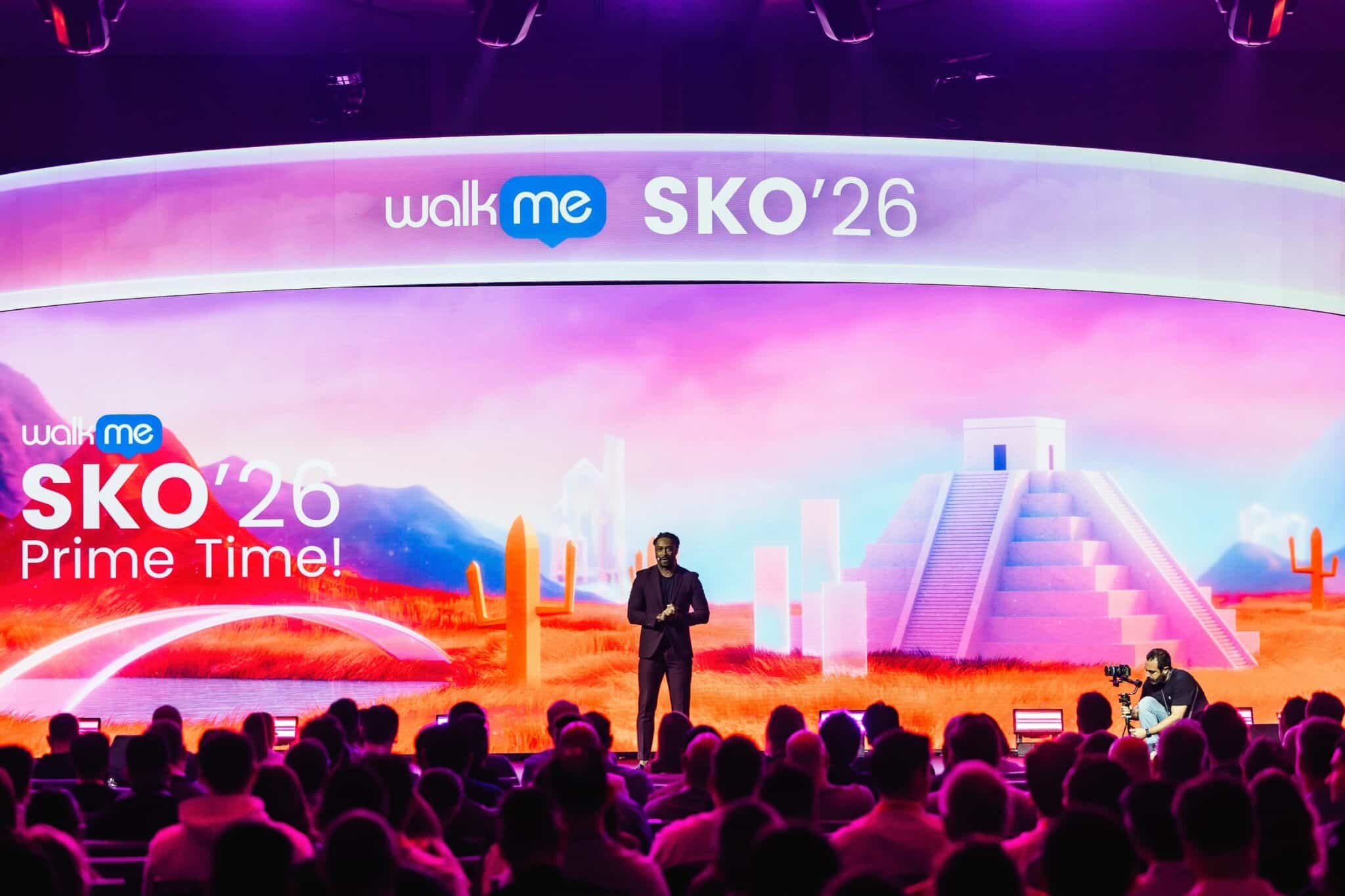
Corporate planners ask the same question every year and usually answer it wrong. Should we book a keynote speaker or a motivational emcee? Most planners default to the keynote because it sounds prestigious, books on a familiar bureau workflow, and shows up in the budget as a clean line item. They later wonder why the keynote landed well but the rest of the event felt flat. Other planners default to the emcee because the last keynote bored the room and they want energy instead, then are surprised when nobody walks out with a single idea worth quoting on Monday. Both choices are right. Both are also wrong, depending on the event.
The two roles are not interchangeable. Industry coverage of corporate event hosting frames this directly: an emcee owns the flow of the event with transitions, timing, energy, and audience engagement, while a keynote speaker delivers a specific message or session within that flow. They are not substitutes. They are different jobs that solve different problems, and the cost of choosing the wrong one is the difference between a single great hour and an event that holds the room for two days. This piece walks through how to decide.
Need a motivational emcee who covers the run-of-show end to end, not just one stage slot? Contact DJ Will Gill.
Key Takeaways
- A keynote speaker is a 45- to 60-minute message. A motivational emcee is the spine of the whole event. Different jobs, different budget logic.
- Choose the keynote when one big idea needs to land. Choose the emcee when continuity, energy, and transitions matter as much as content.
- A bad keynote is hard to recover from. A bad emcee is felt across every hour of the event.
- The strongest events use both: a keynote to land the idea, an emcee to carry the rest of the agenda around it.
- Most planners overspend on the keynote line and underspend on the emcee line. Reverse that for multi-session events.
1. Why This Decision Matters More Than Most Planners Realize
Most corporate events allocate the bulk of their talent budget to a keynote speaker, then look for an emcee at the end of the planning cycle, often from inside the company. Industry coverage of corporate emcee hiring is direct on the cost of this default. Reporting on event hosting notes that far too often, people think that Susan from Accounting or Jim from Sales will get the event to where it needs to be, and nothing could be further from the truth. The keynote becomes the polished hour. The rest of the event runs without a professional spine.
Industry analysis of keynote ROI also points out the inverse mistake. Coverage of keynote selection frames it bluntly: disappointing keynotes are rarely the result of a bad speaker; they are usually the result of a mismatch between the speaker’s strength and the event’s actual need. A motivational speaker booked for a strategy conference produces an emotional high with no actionable takeaway. A leadership expert booked for a sales kickoff produces clarity that the room cannot operationalize at a celebration.
The choice between keynote and emcee is not a question of which one is better. It is a question of which one your event actually needs, and whether you might need both.
2. What a Keynote Speaker Actually Delivers (And What They Don’t)
A keynote speaker is a single concentrated message delivered in a fixed slot. Industry guidance is consistent on the format: most keynote talks range from 45 to 60 minutes, with optional Q&A or breakout discussions afterward. That is the entire stage commitment. Everything else around it is the agenda.
What a keynote speaker delivers when chosen well:
- One central idea, framed for the audience. A useful talk leaves the room with one quotable line or one operational shift in thinking.
- Expert authority on a specific topic. Industry coverage notes that a keynote speaker serves as the principal presenter who sets the underlying tone and core message of an event, providing expert authority and a unified vision that aligns diverse teams under a single cohesive message.
- Attendance draw. A recognized speaker on the agenda increases registration and pre-event marketing reach.
- Marketing afterlife. A great keynote clip becomes social media content, internal video assets, and recruiting collateral for months.
What a keynote speaker does not deliver:
- Continuity across the rest of the agenda. The speaker shows up for their slot and leaves. The other 8 hours of the event are someone else’s job.
- Energy management between sessions. A keynote builds energy for an hour. Maintaining it across a multi-day program is not their role.
- Run-of-show ownership. Keynote speakers do not call cues, manage transitions, or coordinate with production.
- Audience engagement throughout the day. Industry coverage of keynote audience design notes that the wrong keynote speaker can bore attendees and lead to passive listening, with disinterest extending into the rest of the event. A great keynote energizes the room for the next hour. It does not energize the room for the next two days.
Keynote speakers are specialists. They deliver content in a slot. Everything outside that slot, they were not booked to handle.
3. What a Motivational Emcee Actually Delivers (And What They Don’t)
A motivational emcee is the connective tissue of the event. They open the day, set the tone, introduce every speaker, manage every transition, recover the room when energy dips, and close the program. The job is part host, part producer, part performer. Industry coverage of emcee impact at corporate events frames the outcome directly: attendees at emcee-led events retain around 60% more information than they would in passive listening scenarios.
What a motivational emcee delivers when chosen well:
- Continuous energy across the entire run-of-show. The audience sees one voice from open to close. Continuity beats novelty for multi-session events.
- Live audience reading and recalibration. When the room dips, the emcee resets it within 90 seconds. Industry coverage notes that emcees own the flow of the event, including transitions, timing, energy, and audience engagement, balancing education, networking, and energy across multi-session programs.
- Speaker introductions that actually land. A skilled emcee gives every speaker a better launch into their talk than the speaker could deliver themselves.
- Dead air prevention. Transitions are programmed and rehearsed, not improvised.
- Real-time recovery from technical issues. When the mic fails or a video does not load, the emcee buys the production team the seconds they need to recover.
- Audience engagement segments. Polls, games, interactive moments, callbacks. These are emcee tools, not keynote tools.
What a motivational emcee does not deliver:
- A single concentrated content thesis. Emcees connect ideas. They do not deliver the one big idea that becomes the year’s company quote.
- Industry expertise as the headline draw. Emcees are hired for craft, not for subject-matter authority.
- External attendance pull. A Forbes-ranked keynote speaker drives registrations. A great emcee improves the experience of registrants who have already signed up.
Emcees deliver experience. Keynote speakers deliver content. Both can be excellent. Neither does the other one’s job.
4. Match the Format to the Event Type, Not to the Budget
The single biggest decision-making mistake is letting the budget drive the format instead of letting the format drive the budget. A 90-minute leadership luncheon does not need an all-day emcee. A two-day sales kickoff with 12 sessions does not need just a keynote.
A working framework by event type:
- Annual sales kickoff (multi-day, multi-session). Emcee primary. One keynote highlight inside the program. The emcee carries the run-of-show across breakouts, awards, leadership messaging, and the closing party.
- Industry conference (multi-day, multi-track). Emcee on the mainstage, plus one or two named keynotes. The mainstage emcee ties content together. The keynotes are the headline draws.
- Leadership offsite (one day, intimate). Keynote primary. A skilled facilitator can cover the facilitation role. A full emcee is usually overkill.
- Awards gala (single evening, recognition-focused). Emcee primary. A keynote in the middle of an awards ceremony breaks the rhythm. The emcee is the show.
- Holiday party (single evening, social). Emcee primary. A keynote at a holiday party is rarely the right call.
- All-hands or town hall (90 minutes, internal). CEO opening plus a facilitator usually beats either format.
- Product launch (high-energy, brand-driven). Both, ideally. Keynote delivers the vision. The emcee carries the energy through demos, panel, and reception.
- President’s Club or recognition trip (multi-day, celebration). Emcee primary. The audience is the show. The keynote is optional.
Industry coverage of keynote selection reinforces this directly: motivational speakers focus on energy, optimism, and momentum, and work best for sales kickoffs, celebrations, and moments where morale or enthusiasm needs a lift, while leadership and change-management speakers focus on decision-making and clarity. The format follows the event purpose. The budget follows the format. Not the other way around.
5. The Hybrid Option: When You Need Both
The strongest corporate events do not pick between keynote and emcee. They use both, with a clear division of labor. The keynote delivers the year’s headline idea. The emcee carries everything around it.
A practical division of labor for a hybrid program:
- Emcee opens the day. Welcomes the room, sets the energy, and introduces the program.
- Emcee hands off to the CEO welcome. CEO delivers strategic framing. Emcee acknowledges and bridges.
- Emcee introduces the keynote. A great keynote intro is a 90-second build that earns the speaker their hour.
- Keynote delivers the central message. 45 to 60 minutes. Q&A optional.
- Emcee resumes the program. Reactivates the room, references the keynote idea, and sets up the next session.
- Emcee carries the rest of the day. Breakouts, panels, audience engagement segments, lunch transitions, awards if applicable.
- Emcee closes the event. Reinforces the keynote idea, drives any closing CTA, and sends the room out on a high.
The hybrid approach also amplifies the keynote’s ROI. Industry coverage of keynote ROI maximization is direct on this: a keynote has significantly higher ROI when it is reinforced by surrounding programming, with message amplification turning a single voice into an organizational chorus rather than a standalone speech. The emcee is the amplifier. The keynote is the signal.
A keynote without an emcee is a great hour inside an inconsistent day. An emcee without a keynote is a great day without a quotable hour. Together, they cover both.
6. Budget Allocation Logic for Each Path
Talent budget should match talent contact time. Most planners get this wrong by anchoring on bureau pricing for the keynote and treating the emcee as a discount line.
A working allocation framework:
- Single-keynote event (90 minutes total). Keynote receives 80 to 90% of the talent budget. Internal facilitation covers the rest. Reasonable.
- Half-day event with keynote and panel. Keynote receives 60 to 70% of the talent budget. A professional emcee covers the rest. Tighter run-of-show, better speaker introductions.
- Full-day event with keynote and multiple sessions. Keynote and emcee split the budget closer to 50/50. The emcee is on stage 5 to 6 times. Pay accordingly.
- Multi-day conference or sales kickoff. The emcee receives 60 to 70% of the talent budget. Keynote is a single highlight. The emcee carries 80% of the stage time.
- Awards gala or recognition event. The emcee receives 90% of the talent budget. The keynote is optional, often inside the program rather than headlining it.
Industry coverage of keynote selection adds an important note: a keynote should be treated as a temporary strategic accelerator, not as entertainment or a standalone speech, with selection driven by desired outcomes rather than reputation. The same applies to emcee selection. The right question is not “what is the most prestigious name we can afford?” The right question is “what outcome does the event need, and which budget allocation gets us there?”
For most multi-session corporate events, the right allocation looks closer to 50/50 between keynote and emcee, not the typical 80/20. Reversing that ratio is one of the highest-leverage changes a planner can make to next year’s budget.
7. Red Flags When Hiring Either One
Red flags differ by role. Watch for the right ones.
Keynote speaker red flags:
- No customization for your event. Industry analysis flags that the right keynote speaker takes substantial pre-event time to engage with the planner, ask multiple discovery questions, and customize the talk to the company’s culture, audience, and goals. A speaker who delivers a stock talk is the speaker who delivers a forgettable talk.
- Pre-event call avoidance. If the speaker will not get on a 30-minute pre-event call, the customization promise is hollow.
- Reputation-driven selection only. Booking based on bureau ranking without checking outcome alignment.
- One-size-fits-all reel. If their highlight reel is the same talk every time, expect the same talk at your event.
- No clear “next step” at the end of the talk. A keynote that closes without an actionable challenge or framework leaves no behavioral change behind.
Motivational emcee red flags:
- No corporate references in the last 12 months. Wedding emcees, comedy emcees, and corporate emcees are different roles. Check the portfolio.
- No experience with multi-session run-of-show. If they have only emceed one-hour events, a two-day kickoff is not the place to learn.
- Hedges on the “do not say” list. A real corporate emcee asks for the list. A generic host does not.
- Cannot describe how they handle dead air. Recovery is the entire job. If they cannot articulate the playbook, they do not have one.
- Will not commit to a pre-event production call. Same standard as the keynote. If they refuse the prep, expect the event to feel unprepared.
Both roles share one red flag: bureau or vendor refusal to put you in direct contact with the talent before signing. Specificity in the pre-event conversation is the single best predictor of on-stage quality.
8. A Decision Framework for Your Next Event
A five-question framework that produces the right answer in 10 minutes:
- How long is the event? Under 2 hours: keynote leans. Half-day: hybrid leans. Full-day or multi-day: emcee leans.
- How many speakers and sessions? One: keynote. Two to four: hybrid. Five or more: emcee.
- What is the desired outcome? Single quotable idea: keynote. Sustained energy, alignment, retention across sessions: emcee. Both at once: hybrid.
- Is the event a celebration or a content event? Celebration (sales kickoff, awards, recognition, holiday): emcee leans. Content (industry conference, leadership offsite): keynote leans.
- What does the audience need to walk out with? One framework or quote: keynote. A memory of the entire event: emcee. Both: hybrid.
A working rule of thumb: if more than 50% of the agenda is non-keynote content (panels, awards, breakouts, networking, transitions), a motivational emcee adds more value per dollar than a second keynote would. If 80% or more of the agenda is the keynote itself, the keynote is the right primary investment.
The decision is not which role is better. It is which role solves your event? Get that right, and the choice between keynote speaker and motivational emcee stops feeling like a tradeoff and starts feeling like a fit. The best corporate events match the role to the room. The worst ones match the role to the budget. The framework above is the difference.
What Corporate Clients Are Saying

About the Author
William “DJ Will Gill” Gilbert is a corporate event emcee, DJ, and audience engagement specialist named the Wall Street Journal’s #1 Corporate DJ and a Forbes Next 1000 honoree. He has served as a motivational emcee for Fortune 500 sales kickoffs, recognition galas, multi-day conferences, and President’s Club programs, with 2,520+ five-star Google reviews from corporate audiences across the United States. He also launched TheAIDJ.com, a patent-pending platform that uses AI to support music curation.