
Virtual Emcee or Traditional Emcee? The 2026 Format Guide | DJ Will Gill
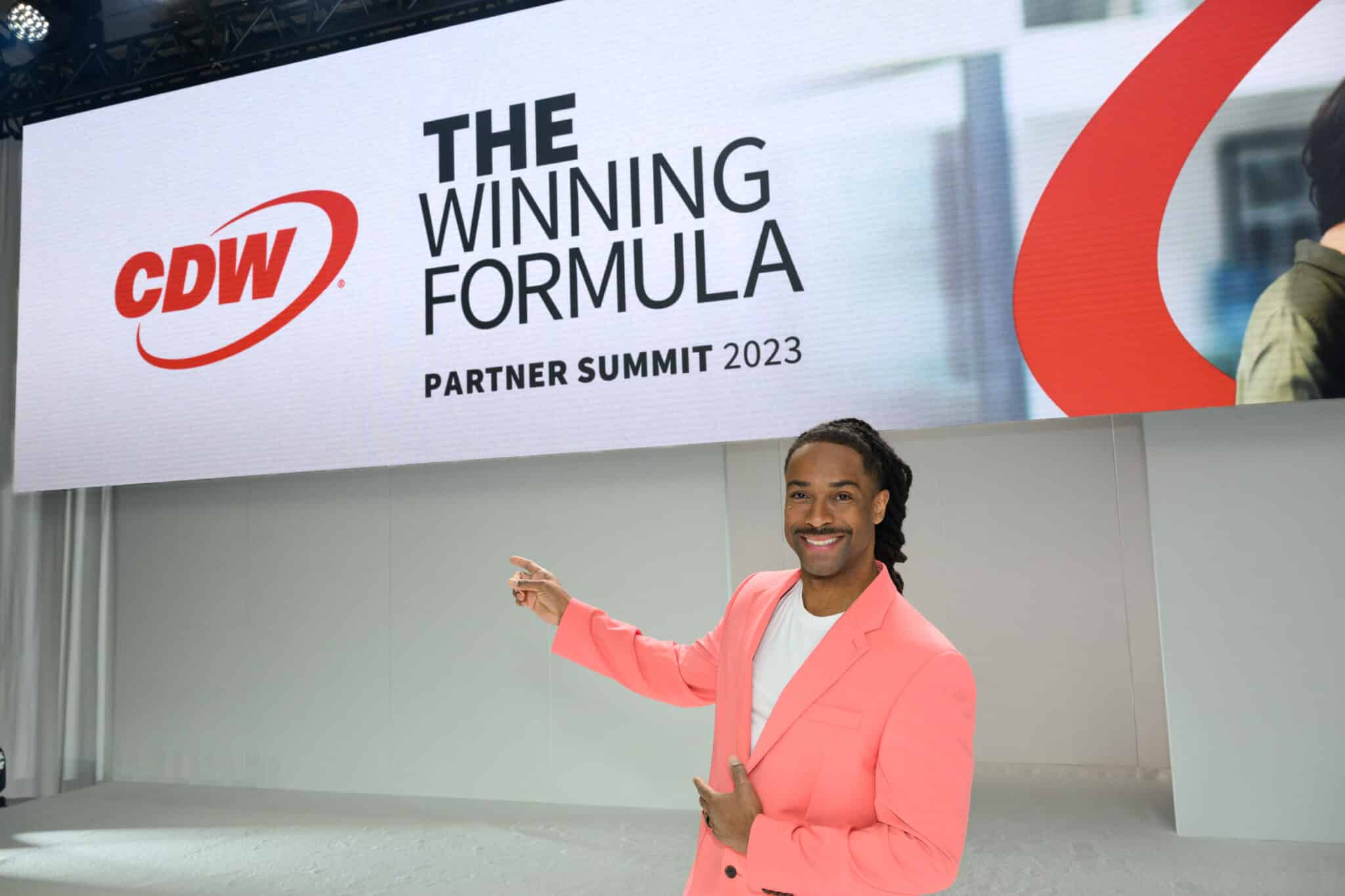
The virtual emcee vs. traditional emcee framing is already slightly out of date for 2026. Most corporate events today aren’t strictly virtual or strictly in-person. They’re some version of hybrid: a main in-room audience plus a remote attendee feed, a hybrid all-hands with regional offices joining via livestream, a virtual keynote followed by an in-person reception. The corporate emcee market has split into three working formats (in-person, virtual, hybrid), and most established professionals work across all three.
This guide breaks down what’s actually different about each format, what skill stack each demands, and how to make the right hiring decision for a specific event. The honest framing isn’t “virtual or traditional.” It’s “what does my event format actually need, and how do I evaluate whether a candidate has the skill stack for that format?” Some emcees who excel in person are weak on camera. Some emcees who excel virtually have never worked a 2,000-person ballroom. Format matters when matching the role to the candidate.
DJ Will Gill is working across virtual and in-person corporate emcee formats. Contact him here to discuss your next event.
Key Takeaways
The virtual event market is substantial and growing fast. The global virtual events market was valued at roughly $243 billion in 2025 with projected CAGR around 17.8% through the end of the decade. Virtual is not a temporary post-pandemic phase but a permanent corporate event channel.
Hybrid events outperform single-format events on attendance and reach. Bizzabo’s 2026 event marketing research found hybrid events deliver materially higher total attendance versus in-person only, with the remote audience extending the program’s effective reach.
Camera presence and stage presence are different skills. Some excellent in-room emcees are weak on camera. Some confident on-camera hosts have never managed a 2,000-person ballroom. Evaluate the format-specific skills, not just the brand name.
Virtual emcees carry their own technical infrastructure. Broadcast-grade camera, dedicated audio, ring lighting, professional backdrop, backup internet, and platform fluency. In-person emcees rely on the venue’s AV team. Different gear, different cost structure.
The 3-in-1 corporate model (DJ + emcee + audience engagement) extends to all three formats. Will Gill’s virtual event work was featured in the Wall Street Journal’s 2020 coverage of corporate virtual emcees during the pandemic shift, with the same operational model now running across in-person, virtual, and hybrid corporate events.
1. The Three Formats Most Corporate Events Use in 2026
The “virtual or traditional” binary doesn’t reflect the 2026 corporate event landscape. Three distinct formats dominate, each with its own program structure and emcee requirements.
In-person. Single-location event with all attendees physically present. Sales kickoffs, leadership summits, user conferences, holiday parties, and awards programs. The most demanding emcee format on physical presence, stage geometry, and room energy management.
Virtual. Single-platform event with all attendees joining remotely. Webinars, virtual all-hands, online town halls, virtual sales kickoffs, remote training events, virtual celebrations, and recognitions. The most demanding format on camera presence, platform fluency, and remote audience engagement craft.
Hybrid. Single event with an in-person audience plus a simultaneous remote audience. User conferences with virtual ticket tiers, leadership summits with regional offices joining remotely, town halls broadcast to distributed teams, and multi-city events with regional satellite locations. The most operationally complex format because the emcee has to serve both audiences without losing either.
The market scale. The global virtual events market was valued at approximately $243 billion in 2025 with projected compound annual growth of 17.8% through the end of the decade. Hybrid events are growing faster than either pure format alone.
The implication. A corporate emcee operating in 2026 needs working competency in all three formats. Specialists who only work in one format face a shrinking addressable market.
2. What’s Actually Different About Virtual Emcee Work
Virtual emcee work isn’t just in-person emcee work delivered through a webcam. Six structural differences shape the craft.
One. The audience is invisible. No applause to register, no faces to read, no body language to respond to. The emcee performs into a camera lens with no visible feedback loop. Building energy without audience cues requires a different mental discipline than in-room work.
Two. Attention windows are shorter. Virtual audiences are competing with email, Slack, the dog, the doorbell, and the next browser tab. vFairs data shows 92% of virtual event attendees engage most with interactive content, while passive lecture-style delivery loses attention rapidly.
Three. The technical fail-state is catastrophic. In the room, a dead mic gets a replacement in 30 seconds. Virtual, a frozen feed, or disconnected internet can end the segment entirely. Backup systems and pre-event tech rehearsals matter more.
Four. The pace runs faster. Long pauses that work in person feel awkward on camera. Vocal energy needs to be slightly amplified to project across compressed audio. Transitions need to be tighter because the audience can leave at any moment with no social friction.
Five. The interaction model is structural, not spontaneous. In-room audience engagement happens organically (laughter, applause, the wave the emcee starts). Virtual engagement happens through structured tools (chat, polls, Q&A submission, hand-raise features). The emcee builds these moments into the script rather than improvising them.
Six. The recording lives forever. Virtual events are typically recorded and often distributed afterward as on-demand content. The emcee’s performance is judged not just by the live audience but by every later viewer. This raises the bar on word choice, accuracy, and HR-safe content.
3. The Camera Presence vs. Stage Presence Distinction
Stage presence and camera presence are different physical skills. Working professionals develop both, but they’re not transferable without practice.
Stage presence requires the body. Full physical movement, lateral stage work, gestures that read from 50 feet back, a vocal projection that fills a ballroom. The performance is three-dimensional and uses the space.
Camera presence requires restraint. The performance happens inside a small frame. Big gestures that work on stage look exaggerated on camera. Vocal projection that fills a room overdrives a webcam microphone. Eye contact with the camera lens replaces eye contact with the audience.
The framing. Virtual emcees frame themselves typically chest-up or waist-up. Movement is contained within the frame. Stepping out of frame mid-sentence breaks the visual continuity for the viewer.
The eye line. Looking at the camera lens (not the screen showing the audience) is what creates the “you’re looking at me” effect for viewers. Looking at the screen even briefly looks like looking away. Working virtual emcees train themselves to default eye contact at the lens.
The energy translation. In-room emcees often need to dial DOWN energy for camera work because in-person energy reads as too much on screen. Conversely, emcees who started on camera sometimes need to dial UP energy for in-room work because their default reads as flat from the back row.
The verification question. When evaluating an emcee for a virtual program, ask for samples of actual virtual event work. Not in-person clips. The skills don’t transfer automatically.
4. The Virtual Emcee’s Technical Infrastructure
A serious virtual corporate emcee carries their own broadcast-quality setup. The venue’s AV team isn’t there to fix problems. Equipment matters.
Camera. Webcam-level video (built-in laptop cameras) reads as unprofessional for paid corporate work. Working virtual emcees use dedicated cameras (DSLR or mirrorless cameras as webcam input, or high-quality dedicated webcams like Logitech Brio or Insta360 Link 2) for noticeably better image quality.
Audio. Computer audio in/out is unprofessional. Working virtual emcees use dedicated microphones (Shure SM7B, Rode PodMic, or similar broadcast-grade) through an audio interface (Focusrite, Universal Audio, or RodeCaster Pro). Audio quality is more important than video quality for keeping virtual audiences engaged.
Lighting. Even cheap LED panel lights ($50-150) transform the on-camera appearance. Working virtual emcees use a key light (main light source), often a fill light (softens shadows), and sometimes a backlight (separates the host from the background). Three-point lighting is the broadcast standard.
Background. A professional backdrop (acoustic panels, branded backdrop, intentional shelving) reads better than a virtual background or a generic home office. Virtual backgrounds artifact during movement; physical backgrounds don’t.
Internet. Hardwired Ethernet beats WiFi. Working virtual emcees have backup internet (cellular hotspot, secondary ISP, or LTE failover) for resilience. A dropped connection during a virtual event is the worst-case scenario; redundancy prevents it.
Software. Platform fluency (Zoom, Microsoft Teams, Webex, Hopin, Bizzabo, ON24, vFairs) plus broadcast software (OBS Studio, Ecamm Live, or similar) for advanced production effects (overlays, transitions, virtual sets). The setup costs $2,500-$7,500 for a working virtual emcee studio. A purpose-built virtual emcee studio is a meaningful capital investment that hobbyist hosts haven’t made.
5. The Hybrid Event Reality (and Why It’s Hardest of All)
Hybrid events combine the operational complexity of in-person events with the technical demands of virtual events. The emcee’s job multiplies.
Two audiences, one performance. The in-room audience and the remote audience have different needs. The in-room audience wants energy, physical presence, and direct interaction. The remote audience wants direct camera engagement, structured digital interaction, and a clear sense of being part of the event. Serving both simultaneously is the core hybrid emcee skill.
The camera awareness. The emcee continuously balances in-room work (movement, audience eye contact, physical engagement) with camera work (lens eye contact, framing, controlled gesture). Working hybrid emcees develop the habit of “playing to the camera” during key moments without losing the in-room connection.
The dual interaction tracks. In-room Q&A and chat-based remote Q&A often run simultaneously. The emcee monitors both streams, alternating questions from each audience, and acknowledging remote attendees by name as their questions surface. This visibly demonstrates that remote attendees are equal participants, not afterthoughts.
The pacing compromise. In-room pacing tends toward slower, more deliberate. Virtual pacing tends toward faster, tighter. Hybrid pacing typically lands closer to the virtual end of the spectrum because remote audience attention is the constraint. In-room audiences can tolerate faster pacing; remote audiences can’t tolerate slower pacing.
The audience reach math. Bizzabo research on hybrid event performance shows hybrid programs deliver materially higher total attendance than in-person only. The remote audience extends the event’s reach without proportional cost increase.
The hiring implication. Hybrid emcee work is the most demanding skill set. Not all in-person emcees can do it well. Not all virtual emcees can do it well. The candidate needs documented experience running both audiences simultaneously.
6. Audience Attention: Why Virtual Audiences Are Different
Virtual audiences are not in-person audiences with worse engagement. They’re a fundamentally different audience type with different attention patterns. The emcee’s job is to design for the actual audience, not pretend it’s the in-person one.
The distraction reality. Virtual attendees are competing with email, instant messages, family interruptions, household tasks, secondary screens, and the friction-free option to simply close the tab. The emcee has no social pressure on their side to keep attention.
The attention-resetting cadence. Working virtual emcees plan for attention dips every 5-7 minutes and design micro-interactions at those intervals: a poll, a chat prompt, a recognition moment, a brief audience-driven activity. vFairs research shows 92% of virtual attendees engage most strongly with interactive content versus passive lecture-style delivery.
The chat is audio. Virtual audience chat is the equivalent of in-room laughter, side comments, and audience response. Working virtual emcees acknowledge chat moments by name, surface chat comments back to the room, and treat the chat as a real interaction channel rather than background noise.
The energy projection difference. Audio compression and small-screen viewing flatten energy. The virtual emcee dials up vocal energy roughly 10-20% versus in-person delivery to compensate. Not yelling, but consciously bringing more dynamic range to the voice.
The session length reality. 4-hour virtual programs lose audiences. 60-90 minute virtual programs hold them. Virtual events that try to mirror in-person agendas typically underperform; the format requires tighter, more compressed programming.
The implication for the emcee. Virtual emcees design programs differently. Shorter segments, more frequent interaction moments, tighter pacing, and more deliberate energy management. An in-person emcee who runs a virtual event using their in-person playbook loses the audience.
7. The Platform Stack: What Virtual Emcees Actually Need to Know
Platform fluency is a real skill that takes time to develop. The corporate virtual event platform landscape in 2026 is consolidated around several major systems with different feature profiles.
The general-purpose tier. Zoom, Microsoft Teams, Webex, Google Meet. Used for most internal corporate virtual events. The virtual emcee needs to know how each platform handles spotlighting, breakout rooms, polls, screen sharing, and chat moderation.
The corporate event tier. Bizzabo, Hopin (now RingCentral Events), Cvent, RainFocus. Used for user conferences, large-scale corporate events, and multi-track virtual programs. More complex production features, custom branding, and multi-stage capability.
The webinar tier. ON24, GoToWebinar, BrightTALK. Used for marketing webinars, product launches, and lead-generation events. Strong analytics and lead capture features.
The hybrid tier. vFairs, Swapcard, Brella. Specifically designed for hybrid events with strong in-person/remote integration features.
The engagement layer. Slido, Mentimeter, Pigeonhole, Sli.do, Kahoot. Cross-platform audience engagement tools used inside any of the platforms above for polls, Q&A, and interactive moments.
What to ask candidates. Which platforms have they worked on for paid corporate events? Can they share recent samples? What’s their backup plan if a platform fails? A candidate who can only name “Zoom” is operating at a different competency level than one who can speak to ON24, Bizzabo, Hopin, and Cvent.
8. Choosing the Right Emcee for Your Format
The decision framework for matching an emcee to your specific event format.
For pure in-person events. Optimize for stage presence, room energy, in-person crowd reading, and physical performance skills. Ask candidates to share clips from in-room events similar in scale to yours. A 200-person event and a 2,000-person event aren’t the same job.
For pure virtual events. Optimize for camera presence, platform fluency, technical infrastructure, and remote audience engagement craft. Ask for clips from actual virtual events (not webcam recordings of in-person events). Confirm the candidate has their own broadcast-quality studio setup.
For hybrid events. Optimize for both skill sets, plus the specific hybrid management capability. Hybrid is the most demanding format and the smallest pool of qualified candidates. Confirm the candidate has documented hybrid event experience, not just in-person OR virtual experience separately.
For multi-format programs. Some corporate clients run a mix of formats across the year. Hiring a single emcee who works across all three formats reduces vendor management overhead and creates a consistent brand voice across the company’s event portfolio.
Will Gill’s documented multi-format work. The Wall Street Journal’s 2020 feature on corporate virtual emcees during the pandemic shift profiled the working emcees who built virtual programs at scale during that period. Will’s continued work spans in-person events at the corporate scale (AT&T, Hilton, CDW, Foot Locker, NeoGenomics) plus virtual programs at the same scale (CDW virtual events, Aflac virtual programming, multiple Fortune 500 hybrid leadership events).
The format-agnostic 3-in-1 model. The 3-in-1 corporate model (DJ + emcee + audience engagement) extends to virtual and hybrid formats, not just in-person events. Same operational model, same single point of accountability, adapted to each format’s specific demands.
9. The Cost Structure Comparison
Virtual and in-person emcee bookings have different cost structures. Understanding the differences prevents surprise budget conversations.
In-person emcee total cost. Talent fee, travel (flights or mileage), accommodation (1-2 hotel nights typical), per diem, ground transportation, and sometimes equipment shipping. The travel and accommodation can equal 20-40% of the talent fee for out-of-market bookings.
Virtual emcee total cost. Talent fee typically runs 50-75% of the equivalent in-person fee. No travel, accommodation, or per diem. The savings on logistics often allow companies to book higher-tier talent for virtual events than they would for in-person events of similar scope.
Hybrid emcee total cost. Typically priced at full in-person rate plus a hybrid complexity premium of 10-20%. The emcee is physically at the in-person venue but managing both audiences. Travel and logistics costs apply on top.
The infrastructure cost. For pure virtual events, some emcees absorb the cost of their studio setup into the talent fee. Others charge a separate “production package” fee that covers the broadcast-quality output. Confirm which structure applies to each quote.
The recording rights consideration. Virtual events are typically recorded for on-demand distribution. Some emcees include unlimited internal use rights in the standard fee; others charge a separate recording usage license fee for external distribution. Discuss before booking.
The risk-adjusted math. Virtual is materially cheaper than in-person for a similar caliber of talent. Hybrid is materially more expensive than either pure format. The cost calculation should factor in the audience reach and recording value, not just the line-item fee.
10. The 2026 Hybrid Playbook: What Most Corporate Events Actually Look Like Now
The pure-virtual vs. pure-traditional binary is no longer how most corporate events get planned. The dominant 2026 corporate event template combines elements of both. Five patterns are most common.
The in-person event with virtual ticket tiers. User conferences and industry events sell in-person and virtual attendance options at different price points. The emcee delivers the program from the physical venue while a remote audience streams in via a virtual platform. Common for events expecting 500+ in-person plus 1,000-5,000 remote attendees.
The hub-and-spoke model. A primary in-person event in one city with simultaneous satellite gatherings in other cities, all connected via livestream. The main-stage emcee anchors the program; regional satellite locations have local hosts who handle their portion.
The annual hybrid leadership summit. Senior leaders attend in person; broader employee base joins virtually. Some segments are leadership-only in-person; others are all-hands hybrid. The emcee navigates between the two formats throughout the program.
The recorded asset model. Corporate events designed for both live consumption and post-event distribution. The emcee performs to both the live audience and the future viewer. Higher production values, tighter scripting, and content that holds up beyond the event date.
The pure virtual scaled-up program. Some corporate programs (sales kickoffs across distributed teams, virtual culture events, online training cohorts) remain pure virtual because the audience is fundamentally distributed. These events lean heavily on the emcee’s virtual craft.
The implication for hiring. The corporate planner increasingly needs an emcee who can work fluently across formats. The choice is rarely “virtual or traditional” anymore. It’s “can this candidate handle the actual format my event is running, and can they pivot if the format changes?” Will Gill’s corporate emcee profile, corporate DJ profile, and virtual event services document the multi-format working model across 600+ corporate events.
What planners say on Google
2,520+ five-star Google reviews. Four of them, in the reviewers’ own words:
What a beautiful experience! Great way to incorporate technology to bring ppl closer together. Thank you!
Erika (estrella salvaje), five-star Google review,
ALWAYS a great time!!!
Patrice Ross, five-star Google review,
Very lively and enthusiastic.
breana perez, five-star Google review,
Loved the energy he brought to our zoom meeting and the prizes was super cool. Great job for hiring him BGCA
Grace Duran, five-star Google review,

About the Author
William “DJ Will Gill” Gilbert helps corporate events feel less scripted and more memorable. As a DJ and emcee, he brings the right mix of music, energy, and audience interaction to keep guests engaged throughout the event. He has supported more than 600 corporate events for organizations such as AT&T Business, CDW, Virgin Galactic, Home Depot, Hilton, PepsiCo, PayPal, and the United Nations. His work has also been featured by Forbes Next 1000 and The Wall Street Journal. Will’s IMDb credits include Super Bowl LIV, the FIFA World Cup, the Formula 1 Las Vegas Grand Prix, The Voice, and Real World: Hollywood. Outside of live events, he founded TheAIDJ.com, a patent-pending AI playlist platform designed for music curators.
2,520+ Google Reviews · IMDB · Mixcloud · Instagram ·
Frequently Asked Questions
Virtual or traditional emcee: which do I need?
The framing is dated; most 2026 corporate events are hybrid, so the question is what the event format needs and whether the candidate has that skill stack.
How big is the virtual event market?
Roughly $243 billion in 2025 with a projected CAGR around 17.8% through the decade.
Do hybrid events outperform single-format events?
Bizzabo's 2026 research found hybrid events deliver materially higher total attendance than in-person only.
Is camera presence the same as stage presence?
No. Some excellent in-room emcees are weak on camera, and some on-camera hosts have never managed a 2,000-person ballroom.
What does a virtual emcee need technically?
The guide covers the technical infrastructure and platform stack virtual emcees need.