
Master the Art of Engagement: Emcee Tips for Corporate Events
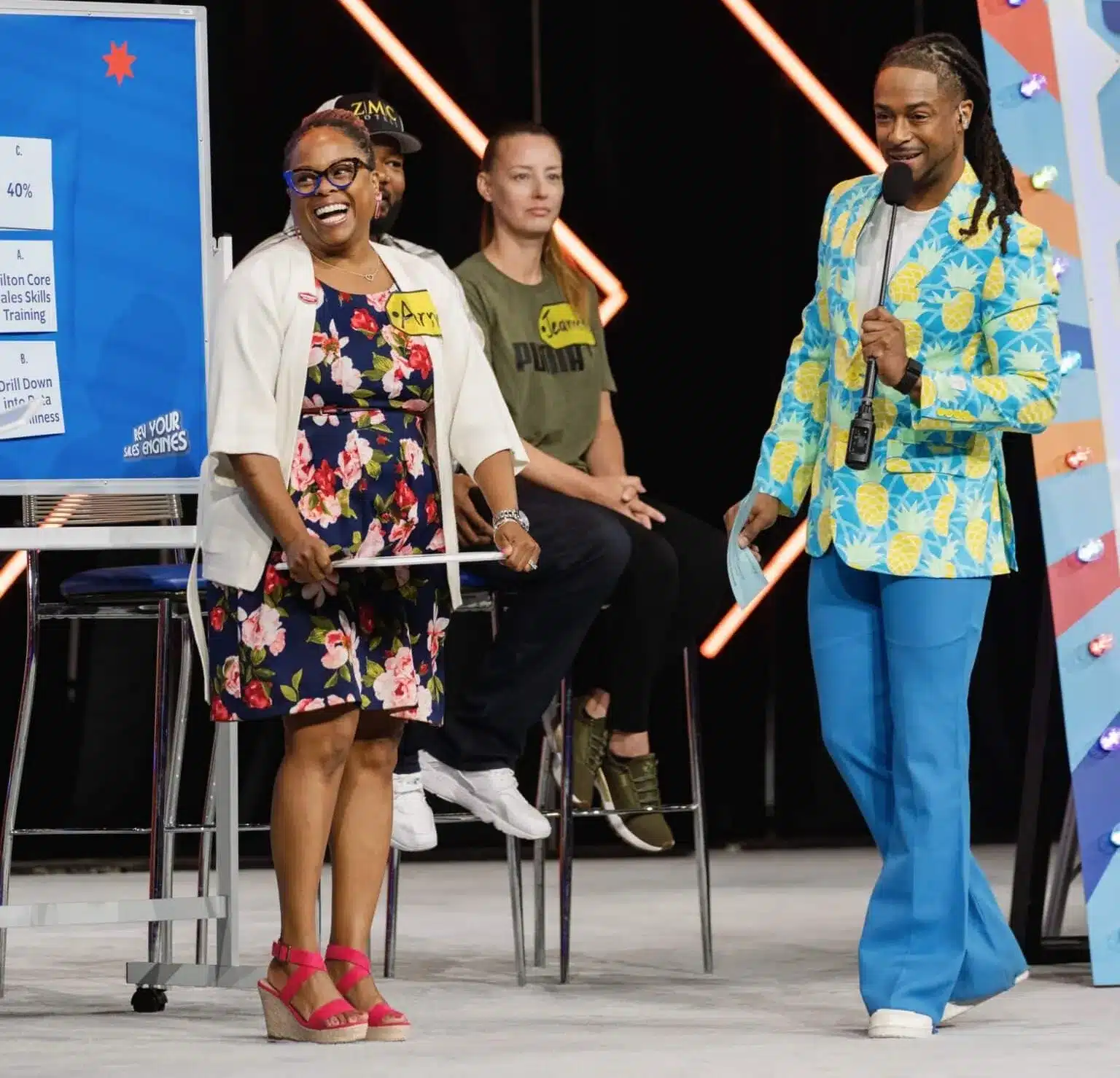
Emcee craft is a working trade, not a list of tips. The professionals who run corporate audiences through 4-hour, 8-hour, and multi-day programs week after week aren’t relying on icebreaker scripts or generic engagement formulas. They’re working from a craft that lives in the body: pacing, breath, stage geometry, microphone discipline, the precise moment to step toward an audience versus the moment to step back. The skill is built across hundreds of events and continuous self-correction.
This guide breaks down the actual craft of corporate emcee work into specific, learnable mechanics. Not “be confident” but how confident emcees stand, breathe, and recover when things go wrong. Not “tell stories” but the neuroscience of why certain stories land and how to structure them for a corporate audience. Not “engage the audience,” but the specific moves working emcees use to convert a passive room into an active one. This is the deeper layer underneath the surface tips that most articles stop at.
DJ Will Gill is demonstrating corporate emcee craft on stage. Contact him here to discuss your next event.
Key Takeaways
The first 90 seconds set the room’s tolerance for the rest of the event. Princeton research by Willis & Todorov shows audiences form trust impressions in roughly 100 milliseconds. The emcee who walks on stage and stands wrong has already lost ground that can take an hour to rebuild.
Storytelling literally changes the audience’s brain chemistry. Paul Zak’s neuroscience research at Claremont Graduate University documented that compelling narratives trigger oxytocin release, the “trust hormone” that strengthens social bonding and willingness to act. Information-only delivery doesn’t produce this effect.
The microphone is an instrument, not just a tool. Distance from the mouth, breath placement, dynamic control, and silence are all craft variables. Working emcees treat mic technique with the same seriousness a vocalist treats it.
Speaker handoffs are the most underappreciated craft moment in emcee work. The introduction the emcee delivers in 60-90 seconds before a keynote can either set the speaker up to win the room or force the speaker to spend their first 5 minutes earning back attention.
Recovery from technical failures separates working professionals from hobbyists. Every multi-hour corporate event has at least one unscheduled moment (dead mic, frozen deck, no-show speaker, missing AV cue). The recovery move is where craft is most visible.
1. The Pre-Event Discovery: What Real Preparation Looks Like
The visible part of an emcee’s work happens on stage. The unseen part, where the actual quality is built, happens in the days and weeks before the event.
The discovery call. 45-60 minutes with the client to understand event objective, audience composition, executive culture, and the specific recognition moments that matter. Generic discovery calls produce generic emcees. Specific questions produce specific preparation. “What’s the one moment in the program that, if it lands, will make the event feel successful to the CEO?” is a more useful question than “What’s the agenda?”
Run-of-show analysis. Studying not just what happens when but why. Why is the awards section before the keynote? Why is there a 15-minute break at 2:30 PM? What is the program flow trying to accomplish? Understanding the why lets the emcee make the right micro-decisions in real time.
Name and title research. Pronunciation, current title, recent accomplishments worth noting. Award recipients often have personal stories or career milestones that surfaced during the introduction, elevating the recognition moment from generic to genuine. This requires actual research, not winging it.
Custom intro and outro language. Written or sketched in advance for each named segment. Not memorized verbatim (memorized lines sound memorized) but practiced enough to feel natural. The professional emcee shows up with intros already drafted; the amateur shows up planning to wing it.
Audio-visual coordination. Pre-event conversation with the AV team confirms microphone configuration, music cue procedures, slide advance authority, and recovery protocols if something fails. The emcee and AV team operate as a tight pair on the day; that partnership has to be built before the doors open.
2. The First 90 Seconds: How the Opening Decides the Rest
The opening 90 seconds of any emcee performance establishes the room’s tolerance for the rest of the program. Lose those seconds, and the emcee spends the first 45 minutes earning back attention. Land them, and the emcee carries forward momentum that lasts the entire program.
The walk-on. Stage entrance with intention. Pace, posture, and eye contact with the room before reaching the mic. The audience reads physical confidence in this moment, which directly translates to credibility. Princeton research found that trust impressions form in roughly 100 milliseconds, well before the first word.
The first words. Not a generic “welcome, welcome, welcome” filler. A specific, intentional opening that signals what kind of program this will be. A confident statement of where the audience is, what they’re about to experience, and why it matters. Working emcees write and rehearse this opening more carefully than any other moment in the program.
The acknowledgment. A brief naming of the host company, the host executive, and the occasion. Not flattery, but anchoring. The audience needs to feel the emcee knows whose room this is.
The first laugh or first nod. A small moment of audience response within the first 60 seconds. Either a piece of light humor that lands or a thought-provoking statement that earns nods of recognition. This first “we’re in this together” moment converts a passive audience into an engaged one.
The handoff to the program. A clear transition into the actual run of show. “Tonight we’re going to…” or “Over the next four hours, we’ll…” Audiences relax when they understand the shape of what’s coming. The opening 90 seconds resolve with the audience knowing what to expect.
3. Stage Geometry: Where to Stand, How to Move, Sight Lines
Stagecraft is a physical discipline. Where the emcee stands, how they move, and how they orient to the audience are all deliberate choices that working professionals make consciously.
The default stance. Feet shoulder-width apart, weight evenly distributed, shoulders relaxed, hands either holding the microphone in a controlled grip or resting at the sides between gestures. Not locked-in stiff, not casual-slouchy. A grounded, ready position that reads as confident across any room size.
The lateral movement. Working a stage usually means moving across it occasionally, not pacing constantly. The pace-then-stop pattern (move during transitions, anchor during important content) reads as deliberate. Random pacing reads as nervous energy.
The forward step. Stepping toward the audience during important content increases perceived intimacy. The stage front edge is the maximum-impact position. Use it sparingly for high-impact moments; staying there constantly diminishes its effect.
Round-table vs. theater-style audiences. Different stage geometry. Round-table audiences (banquet seating) require the emcee to work multiple sight lines, often rotating quarter-turns to address all sections of the room. Theater-style audiences (rows facing the stage) require less lateral movement but more vertical eye contact across rows.
The camera position awareness. If the event is broadcast or recorded, the emcee plays to the room AND the camera. Knowing where the cameras are positioned and angling toward them during peak moments improves the on-camera read without losing the in-room audience.
The exit. Stage exits matter as much as entrances. A clean walk-off with confidence and pace, not a hurried scramble. The audience reads the exit as the closing punctuation of the segment.
4. The Microphone as Instrument: Proximity, Dynamics, Discipline
The microphone is the emcee’s primary instrument. Treating it as such (the way a singer treats it) is a craft distinction between working professionals and casual hosts.
Distance from the mouth. Standard distance is 2-4 inches for normal speaking. Closer (1-2 inches) for intimate, quiet moments. Farther (6-8 inches) for projected, exclamatory moments. Constant 2-inch placement creates a flat, “broadcasterly” sound that doesn’t carry emotion across long programs.
The proximity effect. Most mics get warmer and bassier the closer the speaker gets to them. Use this. Quiet, intimate moments (storytelling, recognition) read more emotionally when the mic is pulled closer to the mouth. The audio engineering shifts in concert with the emotional content.
Plosive discipline. P, B, T, and K sounds create air bursts that can pop the mic if held too close on plosive-heavy words. Working emcees angle the mic slightly off-axis (5-10 degrees from straight-on) to bleed the plosives past the capsule. Sound engineers, thank you for this.
The strategic silence. Silence is a tool. The 2-second pause before a big reveal or the 3-second hold after an applause break gives the audience time to absorb. Filling every gap with “umm” or “you know” wastes the most powerful tool the emcee has.
Mic discipline during applause. Pull the mic away from the mouth during sustained applause to avoid feedback and mic noise. Most working emcees develop a clean tuck-against-thigh position that holds the mic safely while the room responds.
Lavalier and handheld differences. Lavalier mics are clipped to the chest, so volume can’t be controlled by distance. Vocal dynamics have to come from breath control and pitch variation. Handheld mics offer more dynamic control but tie up one hand. Wardrobe choices also factor here, since lav clipping requires specific collar or lapel access.
5. The Pace Curve: Managing Energy Across Hours
A 4-hour corporate event has an energy curve. The emcee’s job is to shape that curve, not let it sag. Real working programs follow predictable energy phases that the emcee manages actively.
Phase 1: The welcome (0-15 minutes). Energy starts at audience-default (mild attention, polite interest). Emcee work in this phase is about elevation: the opening 90 seconds, a confident introduction of the event, the first audience response moment. The energy curve climbs from default to engaged.
Phase 2: The first program block (15-45 minutes). Speakers, presentations, or panels. Energy plateaus at engaged. Emcee work here is invisible: clean handoffs, brief transitions, light moments to keep the room from settling into passive consumption.
Phase 3: The mid-program dip (45-90 minutes in). Universal across corporate events. The audience has been seated, the novelty has worn off, lunch or dinner is approaching, and energy naturally drops. This is where weak emcees lose the room. Strong emcees use audience engagement moments (polls, interactive bits, recognition pulses) to lift the dip.
Phase 4: The peak (typically 60-75% through the program). The keynote, the major awards, the big reveal. Energy needs to be at its highest. Emcee work in this phase is amplification: building anticipation in the moments before, anchoring the audience response during, and reinforcing the moment after.
Phase 5: The wind-down (final 15-20%). Energy gradually steps down toward closure. Emcee work shifts to landing: gratitude, closing statements, send-off energy. Not draining the room but releasing it.
Active management. The pace curve doesn’t happen automatically. The emcee reads the room continuously and adjusts: an extra micro-moment of engagement when energy dips earlier than expected, a slightly tighter transition when energy is already high, an extra recognition pulse when the audience needs a lift. Engageli research showed active engagement strategies retained roughly 93.5% of attendees versus 79% for passive programs, which lines up directly with the difference an attentive emcee makes.
6. The Speaker Handoff: The Most Underappreciated Craft
Introducing a keynote speaker is among the most underappreciated craft moments in emcee work. A great handoff puts the speaker on stage already winning the room. A weak handoff forces the speaker to spend their first 5 minutes earning back attention.
The standard amateur introduction. Reads the speaker’s full bio from the program notes. Lists every credential, every degree, every previous role. Takes 90 seconds. Ends with “please welcome…” The audience tunes out by the third sentence.
The working professional introduction. 45-60 seconds. Opens with a tension moment, a problem, or a question the speaker will address. Name one or two specific credentials that matter to THIS audience. Builds anticipation for what the speaker is about to share. Ends with energy: a clean handoff line that signals “now.”
The structural template. Hook (a tension or problem the audience cares about). Bridge (why this matters to this room right now). Credentials (one or two specifics that matter, not the full LinkedIn). Handoff (a clean intro line and the speaker’s name with pace and energy).
The eye contact and pace. The introduction is spoken to the audience, not read from a card. Looking down to read disconnects the moment. Memorize the key beats; let the connective tissue flow naturally.
The physical handoff. Walk the speaker to the stage edge or mic stand, shake hands or briefly acknowledge, then exit cleanly. Don’t linger. The speaker’s moment starts the instant the introduction lands.
The reverse handoff. When the speaker finishes, the emcee returns. A 15-30 second moment of gratitude (specific, not generic) followed by the transition to the next program element. This reverse handoff matters: it signals to the audience that the previous segment mattered and frames the next one.
7. Storytelling: The Neuroscience and the Craft
Storytelling is the most cited and least understood part of emcee craft. The research on what stories actually do to the audience’s brain chemistry shows why they work and what kind of stories work best.
The neuroscience. Paul Zak’s research at Claremont Graduate University documented that compelling narratives trigger oxytocin release, the neurochemical that strengthens trust and social bonding. Information-only delivery (here are the facts, here are the bullet points) doesn’t produce the same effect.
Neural coupling. Princeton research in 2010 showed that listeners’ brain activity literally synchronizes with the storyteller’s during narrative immersion. Researchers describe this phenomenon as neural coupling, where listeners’ brains anticipate where the storyteller is going. This is the mechanism behind the felt sense of audience connection during good storytelling.
Narrative transportation. Published research on narrative transportation describes the state of cognitive and emotional immersion that engages listeners in the world of the narrative, partially detaching them from their immediate surroundings. This is the felt “we lost track of time” effect of a great story.
What corporate audiences need. Short stories, 60-90 seconds maximum. Specific characters or moments, not abstract examples. A tension or challenge in the story. A resolution that ties back to the corporate moment. Stories that center the audience’s experience, not the emcee’s biography.
What corporate audiences don’t need. Long personal anecdotes that center the emcee. Generic motivational stories that could apply to any context. Stories without a payoff that ties back to the room. The wedding-emcee tendency to share family stories doesn’t translate to corporate settings.
The placement. Stories work best at transition moments, when the room needs an emotional reset between content segments. Storytelling during the energy dip (Phase 3 above) is particularly powerful. Stories during the peak moment (Phase 4) amplify rather than redirect.
8. The Recovery Move: When Something Goes Wrong On Stage
Every multi-hour corporate event has at least one moment that doesn’t go according to plan. A microphone fails. A slide deck freezes. A speaker doesn’t show. A video doesn’t play. The recovery move separates working professionals from hobbyists more visibly than any other craft element.
The first rule: don’t panic visibly. The audience reads the emcee’s body language and facial expression continuously. A visible flinch, eye dart, or panicked glance at the AV booth signals to the room that something has gone wrong. Conversely, calm posture and steady eye contact let the emcee fix things off-microphone without alarming the audience.
The mic failure recovery. If the mic dies mid-sentence, the working emcee continues speaking at projected volume while signaling to the AV team. If the room is small enough to be heard without amplification, this often goes nearly unnoticed. If the room is large, a backup mic is requested calmly while the emcee shifts to a brief silence or transition that gives the AV team 30 seconds to swap.
The slide failure recovery. If a deck freezes or a video fails, the emcee fills the gap verbally without making the gap the subject. “While the tech team handles that, I want to share…” followed by a relevant anecdote, observation, or audience engagement moment. Acknowledging the failure briefly is okay; dwelling on it is not.
The speaker’s no-show recovery. Rare, but happens. The emcee shifts the program: moves the next segment forward, expands a previously short segment, or runs a brief audience engagement moment. The room follows the emcee’s lead; if the emcee shifts smoothly, the program continues as if the change was always planned.
The audience disruption recovery. An over-served attendee, a heckler, an unexpected question. The working emcee acknowledges briefly, redirects without confrontation, and moves on. Engaging at length with disruption gives the disrupter more airtime; a brief acknowledgment and a clean redirect close the moment.
The recovery debrief. Post-event, working professionals review what went wrong, what they did, and what they’d do better next time. The craft compounds across hundreds of events. The amateur version of recovery is improvisation; the professional version is a learned repertoire of options.
9. Q&A Management Without Losing the Room
Q&A is among the highest-risk moments in any corporate program. A single bad question can derail momentum; a single poorly-managed answer can lose the room. The working emcee runs Q&A with active management, not passive turn-taking.
The opening setup. Before Q&A begins, the emcee briefly sets expectations. “We have about 12 minutes for questions. Please make your question concise so we can fit as many in as possible. If you have a follow-up, we can connect after the program.” This framing protects the rest of the program from one attendee monopolizing the time.
The question filtering. The emcee briefly reframes or shortens long questions before passing to the speaker. “So your question is really about X. Let me ask the speaker to address that.” This filters out rambling and keeps the room moving.
The microphone choreography. If wireless mics are passed to questioners, the emcee directs the mic runner to the next questioner while the current question is still being answered. This eliminates dead time between questions.
The difficult question is redirected. When a question is hostile, off-topic, or beyond the speaker’s expertise, the emcee gracefully redirects. “That’s a great question for a different conversation; let me ask another one in the interest of time” handles this cleanly without making the asker feel slighted.
The time discipline. Q&A ends when the emcee says it ends, not when questions run out. A clean wrap (“we have time for one more, and then we need to keep moving with the program”) gives the audience the closure they need.
The closing acknowledgment. A brief, specific thank-you to the questioners and the speaker after the segment. Names if possible. The Q&A segment is part of the program, not separate from it.
10. The Closing: Landing the Program
The closing 5 minutes of any corporate event shape what the audience carries out the door. A weak closing makes a great program forgettable. A strong closing makes a good program memorable.
The recap, briefly. A 30-60 second naming of the most important moments from the program. Not a comprehensive review, but a curation of the moments worth carrying forward. This frames the event in the audience’s memory.
The gratitude, specifically. Thanks to the people who made the event happen. Specific names, specific contributions. Generic “thank you to everyone” reads as filler; specific naming reads as the emcee actually knowing who did what.
The handoff to the host. If the CEO or another executive is closing the event, the emcee delivers a final introduction with energy. The executive’s closing words land harder when set up well.
The send-off. A clear, energetic closing statement that signals “we’re done, here’s what to do next.” Practical information (where the reception is, what time tomorrow’s session starts, and how to find their cars) framed inside an emotionally resonant closing.
The exit music. If a DJ is running the audio, the closing music ramps up as the emcee’s final words land. If the emcee is also the DJ (in the 3-in-1 corporate model), this transition is built into the closing sequence directly.
The post-event presence. The working emcee doesn’t disappear the instant the program ends. Brief availability for attendee interactions, photos, and acknowledgments extends the program’s impact. The audience remembers the host who stayed for 15 minutes after the program ended more than the host who vanished at the closing applause.
About the Author
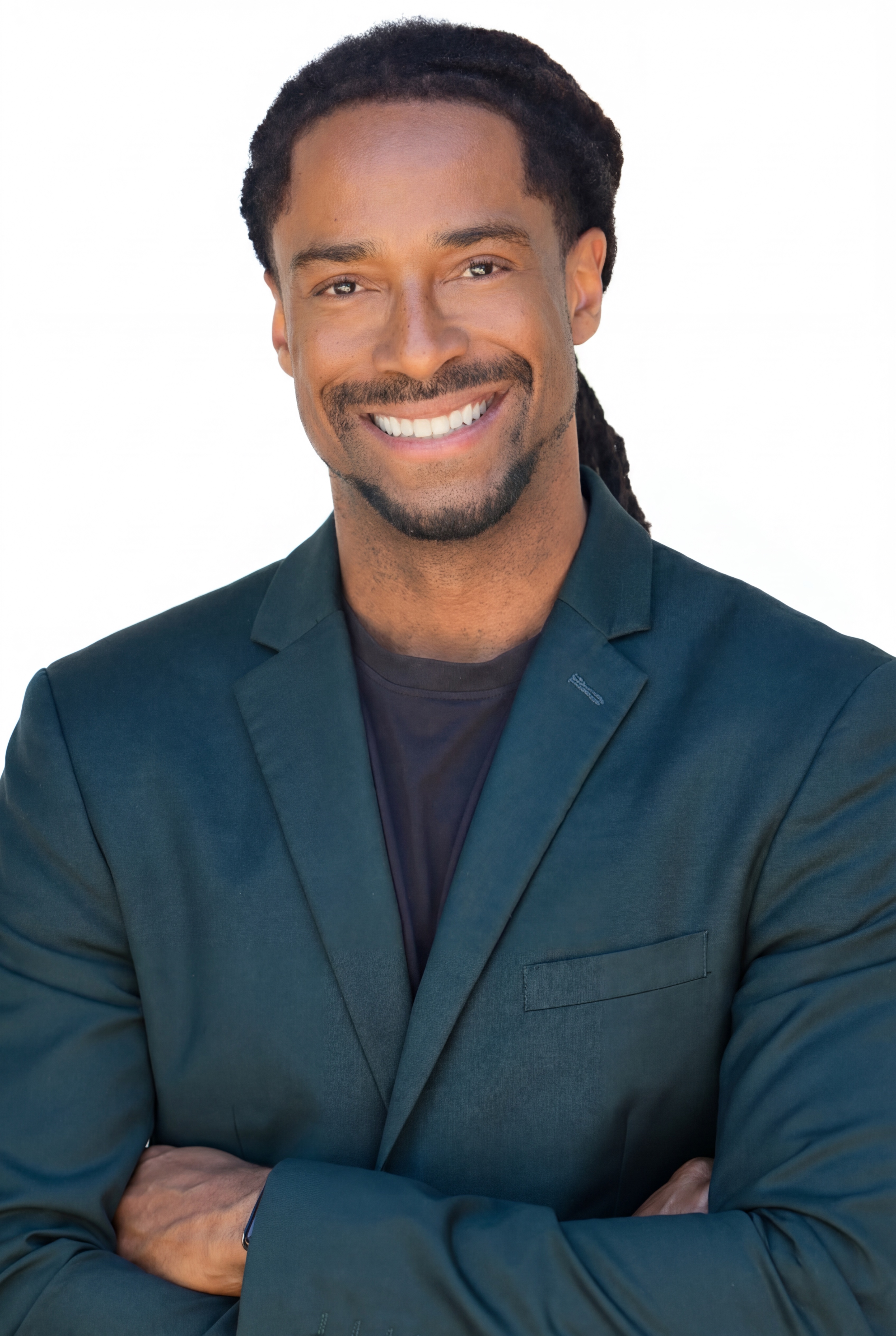
William “DJ Will Gill” Gilbert is a DJ and emcee known for bringing energy, personality, and real audience engagement to corporate events. He knows how to read a room, set the right tone, and keep guests involved from start to finish. With more than 600 corporate events under his belt, Will has worked with organizations including AT&T Business, CDW, Team USA, Virgin Galactic, Home Depot, Hilton, PepsiCo, PayPal, and the United Nations. His work has also earned recognition from Forbes Next 1000 and The Wall Street Journal. Will has IMDb credits for Super Bowl LIV, The Voice, and Real World: Hollywood. He is also the founder of TheAIDJ.com a patent-pending AI playlist platform built for music curators.
2,520+ Google Reviews · IMDB · Mixcloud · Instagram ·