
Emcee vs DJ for Corporate Events: How to Decide (2026)
Most corporate planners ask the wrong question when staffing event entertainment. The question isn’t usually “emcee or DJ?” because most corporate events actually need both jobs filled. The real question is whether to hire two vendors, hire one vendor who only does one role and accept the gaps, or hire a single specialist who covers both roles cleanly. The answer depends on the event format, the audience, the budget, and how much coordination overhead the planning team can absorb.
This guide breaks down what each role actually does in a corporate setting, when one alone is genuinely sufficient, when the event requires both, and how the 3-in-1 model (DJ + emcee + audience engagement under a single vendor) compares to the traditional two-vendor approach. The right answer isn’t ideological. It’s practical: match the staffing model to the actual event, not to a generic checklist.
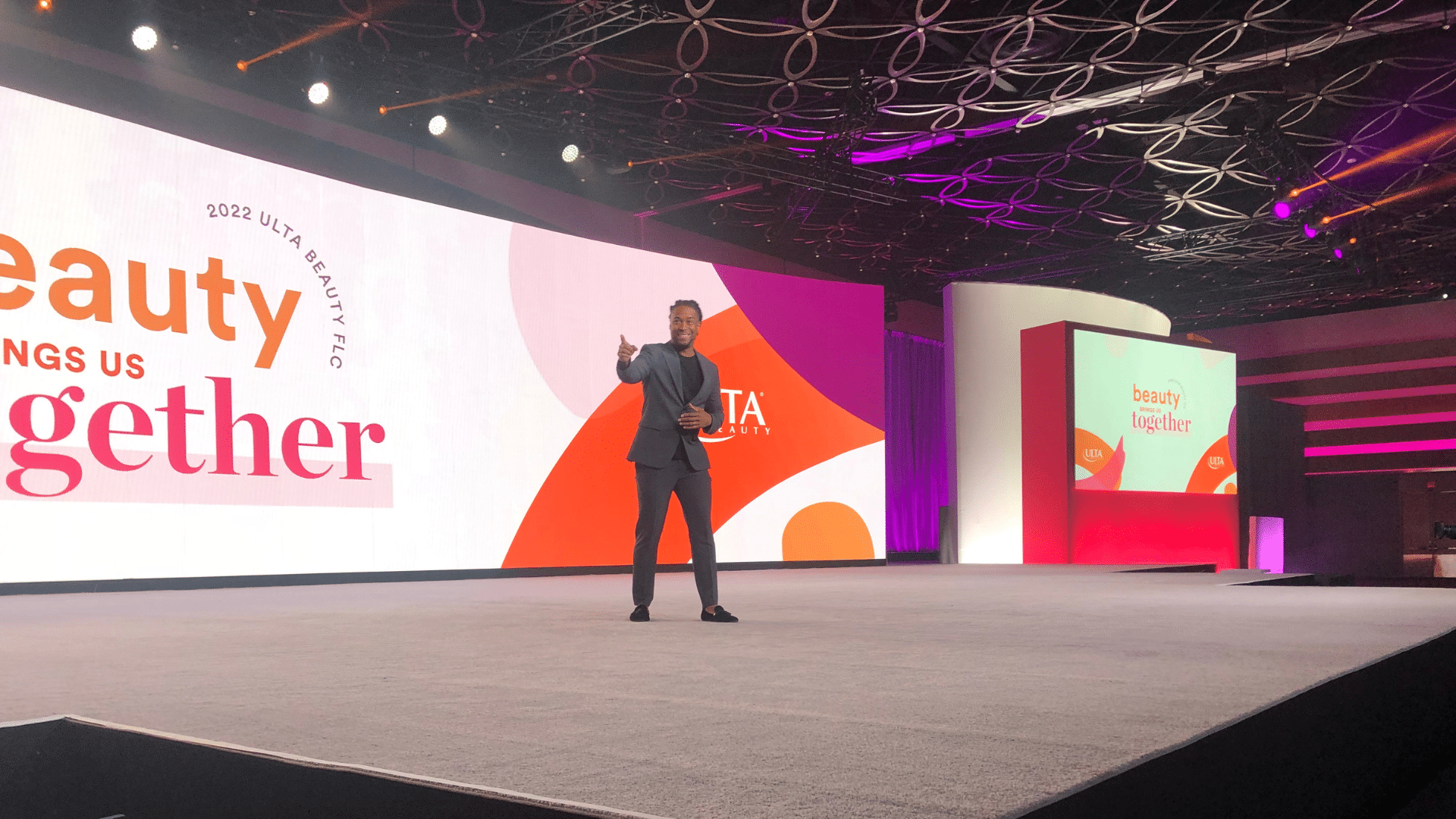
DJ Will Gill is running combined emcee and DJ duties at a corporate event. Contact him here to discuss your next event.
Key Takeaways
The emcee and the DJ are different jobs requiring different skill sets. The emcee owns audience attention, program flow, and live speaking moments. The DJ owns the audio environment, energy curve, and music programming.
Most corporate events need both roles filled, not one or the other. Engageli research on active versus passive engagement shows that programs with multiple modalities (speech, music, interactive moments) substantially outperform single-modality programs on attendee retention and engagement.
Two-vendor coordination creates real overhead. Separate contracts, separate insurance documents, separate AV coordination, separate timeline rehearsals. The two-vendor approach delivers two specialists but adds to the planning team’s workload.
The 3-in-1 model (single vendor delivering DJ + emcee + audience engagement) reduces coordination cost and gives the event a single point of accountability. Trade-off: the specialist has to be genuinely strong in all three disciplines, which is rare in the market.
The right hire for a corporate event isn’t determined by a generic “emcee vs DJ” framework. It’s determined by program format, audience composition, budget, and how much vendor coordination the planning team can handle.
1. The Different Jobs: What Each Role Actually Owns
Before deciding between an emcee, a DJ, or both, the corporate planner needs a clear picture of what each role actually owns inside a live program. The roles aren’t interchangeable.
The corporate emcee owns: the run-of-show timing, audience attention, speaker introductions, segue moments between program elements, award announcements, live audience engagement (Q&A, polls, recognitions), recovery from technical issues, and the overall narrative arc of the event. Their primary tool is the microphone, and their primary medium is live speaking.
The corporate DJ owns: the audio environment, the music programming and curation, the energy curve across the program (walk-in, dinner, peak engagement, wind-down), sound system management, transitions between segments via music, and the overall sonic identity of the event. Their primary tool is the audio rig, and their primary medium is curated music.
Where the roles overlap: Both shape audience energy. Both read the room and adjust in real time. Both coordinate with the AV team. Both serve the broader event objective.
Where the roles diverge: The emcee performs primarily through speech. The DJ performs primarily through music selection. Different training, different practice patterns, different rehearsal needs. Treating them as interchangeable produces weak versions of both.
2. The Skill Stack: Public Speaking vs. Music Curation
The skill profiles for a strong corporate emcee and a strong corporate DJ are largely separate, with some shared performance fundamentals. Understanding the differences explains why most working professionals specialize in one or the other.
The corporate emcee skill stack. Live public speaking. Vocal projection and breath control. Improv and comedic timing. Crowd reading. Script-to-natural-speech translation. Audience engagement techniques (callbacks, audience participation, recognition moments). Comfort with executive audiences. Pronunciation of unfamiliar names and titles. Recovery from technical failures while on the microphone. Working alongside teleprompters, slides, and run-of-show changes.
The corporate DJ skill stack. Music selection across genres and eras. Beatmatching and mixing technique. Reading dance-floor energy in real time. Building energy curves across multi-hour programs. Audio engineering (gain staging, EQ, compression, level management). Equipment troubleshooting on the fly. HR-safe music screening (clean lyrics, era-appropriate, audience-appropriate). Music licensing literacy (BMI, ASCAP, SESAC, Soundtrack Your Brand for corporate venues).
The shared fundamentals. Punctuality and professionalism. Pre-event preparation and communication. Reading the room in real time. Adapting to schedule changes. Coordinating with AV teams. Carrying insurance and meeting venue COI requirements. Maintaining composure when something goes wrong.
Why do most professionals specialize. The training paths are different. Emcees usually come from broadcast, theater, comedy, or speaking backgrounds. DJs usually come from music, audio engineering, or club/event entertainment backgrounds. Mastering one set is a years-long process; mastering both genuinely is rare.
3. The Corporate Emcee’s Day: A Realistic Picture
A corporate emcee’s day at a flagship event looks substantively different from generic “host” stereotypes. Working professionals invest hours of preparation against minutes of visible stage time.
Pre-event preparation (5-15 hours total). Multiple briefing calls with the event team. Review of run-of-show document. Custom introduction development for keynote speakers and award recipients. Name pronunciation research for unfamiliar names (sometimes including recorded pronunciation calls). Audience analysis (demographics, role mix, key executive recognition needs). Script adaptation and personalization.
On-site rehearsal (2-4 hours). Sound check on the stage microphone. Walk-through of physical staging (entry, blocking, exit). Coordination with the stage manager on cue calls. Review of last-minute program changes. Familiarization with the room acoustics.
Live program execution. Welcome and program opening. Introductions for each scheduled speaker. Transition moments between sessions (energy reset, room repositioning, housekeeping). Live recognition and awards. Q&A facilitation. Live audience engagement segments (polls, interactive moments, recognitions). Closing remarks.
Recovery moments. The technical failure recovery is where corporate emcee experience pays for itself. A microphone going dead, a slide deck freezing, an unexpected speaker no-show, a video failing to play. All situations that an experienced emcee handles smoothly, while a less-experienced host loses the room. These moments aren’t on the agenda but happen at virtually every multi-hour corporate event.
4. The Corporate DJ’s Day: A Realistic Picture
A corporate DJ’s day at a flagship event also bears little resemblance to wedding or club DJ work. Different skills, different deliverables, different time profile.
Pre-event preparation (3-8 hours total). Music programming review across the program’s energy phases. Custom intro/outro stinger development if needed. HR-safe content screening (clean radio edits, no controversial content). Tempo and BPM mapping to each program segment. Walk-up music selection for award recipients or keynote speakers. Coordination with the AV team on signal flow, monitor mixing, and house PA limits.
On-site setup (1-3 hours). Equipment load-in and patching. Sound check at multiple program registers (cocktail volume, dinner volume, dance volume, presentation volume). EQ tuning to room acoustics. Confirmation of music cues with the stage manager. Backup system verification (redundant laptops, USB sticks, backup audio source).
Live program execution. Walk-in music programming. Dinner-segment ambient music. Energy bridges between program elements. Award walk-up music cues. Peak energy programming (typically the dance segment, late in the program). Wind-down and exit music. Programming the musical flow across these phases is the substantive craft work.
Real-time adjustment. The DJ reads the room energy minute by minute. If dinner is running long, the dinner music extends. If the energy bridge between award announcements is dragging, the next track gets selected differently. If the audience composition is older than expected, the music palette shifts. None of this shows up on the run-of-show.
5. When You Genuinely Need Just an Emcee
Some corporate events genuinely need only the emcee role filled, not the DJ role. The honest list:
Conferences with minimal music programming. Multi-day industry conferences where the entertainment is fundamentally a series of speakers, panels, and breakout sessions. Music might play during walk-in and breaks, but it isn’t a structural program element. The emcee anchors the room; music is a light background.
Awards ceremonies focused on recognition. Corporate awards programs where the through-line is the recognition itself, with light walk-up music handled by the AV team. The emcee carries the emotional arc; the audio environment is supportive but not central.
Panel discussions and moderated sessions. Where the emcee is also functioning as a moderator. Music programming is minimal or absent. The skill set required is, fundamentally speaking, facilitation, not music.
Internal town halls and all-hands meetings. Where the program is essentially a corporate presentation with light entertainment framing. A skilled emcee can run the room without a separate DJ; the AV team handles the limited music cues.
Virtual-only or webinar formats. Where the entertainment is delivered through a single audio/video feed. The emcee carries the program; the production team handles audio cues. Virtual event audio programming is different enough that some virtual events run cleanly with just an emcee.
6. When You Genuinely Need Just a DJ
Other corporate events genuinely need only the DJ role filled. The shorter but real list:
Cocktail receptions without formal program elements. Network-focused events where there are no scheduled speakers, no awards, no presentations. The DJ creates the audio environment and energy curve; no host role is needed because there’s no program to host.
Holiday parties with an executive-team host. When the CEO or another executive will personally welcome attendees, deliver brief remarks, and do recognition. The DJ handles the music programming; the executive functions as the de facto host. Adding a separate professional emcee here can sometimes feel redundant.
Brand activations and experiential events. Where the program is environment-driven (an installation, an exhibit, a pop-up) rather than schedule-driven. Music creates the atmosphere; no separate host is required because there’s no agenda to anchor.
Late-night after-parties following the main program. When the formal program (with its emcee) has ended and the event continues as a music-driven social. The DJ runs the second half; the emcee role has already been served.
The honest assessment. The “DJ only” list is shorter than the “emcee only” list for corporate events. Most corporate gatherings have at least some scheduled program element that benefits from a host. Pure DJ-only corporate events are less common than the “emcee or DJ” framing suggests.
7. The “Both” Reality: Why Most Corporate Events Need Both Roles Filled
The majority of corporate events that get a serious budget allocated to entertainment need both roles filled, not one or the other. The reasons are structural.
Sales kickoffs. Multi-hour program with speakers, awards, music transitions, peak engagement moments, and post-program social. Both an emcee (for the program) and a DJ (for the audio environment and energy) deliver materially better outcomes than either alone.
User conferences with evening receptions. Daytime program needs an emcee; evening reception needs DJ-driven music. Single-role hires force compromise on one half of the event.
Award shows with an after-party. The awards portion needs an emcee with custom intros, recognition moments, and live engagement. The after-party portion needs a DJ to convert the room from audience-seated to dance-floor energy. Two distinct entertainment phases, two distinct skill sets.
Leadership summits with cocktail receptions and gala dinners. Multi-day events with daytime speaker programs (emcee territory) and evening social programs (DJ territory). Single-role hires create gaps that the planning team has to backfill.
The research on multi-modal engagement. Engageli research found active learning programs retained roughly 93.5% of attendees versus 79% for passive programs. Corporate events that combine multiple modalities (speech, music, interactive moments) consistently outperform single-modality programs on engagement and recall metrics.
The two-vendor problem. If both roles need to be filled, the planning team has a choice: hire two vendors and manage the coordination, or hire one vendor who covers both. Each model has trade-offs.
8. The Two-Vendor Problem vs. The Single-Vendor 3-in-1 Solution
Two staffing models exist when both the emcee and the DJ roles need to be filled. The choice depends on planning team capacity, budget, and the rarity of finding a true multi-role specialist.
The two-vendor model. Hire one professional emcee and a separate professional DJ. Each is a specialist in their lane. The advantage is that each role is filled by someone fully focused on it. The disadvantages stack up in coordination overhead:
Two separate contracts to negotiate. Two separate COI documents to chase. Two separate timeline rehearsals. Two separate sound checks. Two separate sets of communication threads. Two separate billing arrangements. Pre-event coordination calls multiply. Day-of management requires the planning team to be the connective tissue between the two vendors.
The single-vendor 3-in-1 model. Hire one professional who delivers DJ, emcee, and audience engagement services under a single contract. Will Gill’s 3-in-1 model is the most documented example of this approach: a single specialist who covers all three roles at corporate events for clients, including AT&T Business, CDW, Foot Locker, Hilton, NeoGenomics, Team USA, Virgin Galactic, PepsiCo, PayPal, and the United Nations.
Trade-offs of the 3-in-1 model. One vendor, one contract, one COI, one rehearsal, one point of accountability, one set of communication threads. Significantly reduced planning team overhead. The key requirement is finding a specialist who is genuinely strong in all three disciplines. This is uncommon in the market, which is why the 3-in-1 model is a relatively small subset of corporate entertainment vendors.
When the two-vendor model is the right call. Marquee events where each role demands a specialist’s full attention. Multi-day flagship events where coordinating multiple vendors is already inevitable. Events where celebrity headliners are involved.
9. Budget Math: One Vendor vs. Two
The budget comparison between the two-vendor model and the single-vendor 3-in-1 model isn’t always intuitive.
Two-vendor budget structure. Two separate talent fees. Two sets of travel, accommodation, and per diem if applicable. Two sets of COI verification. Possibly two AV coordination call cycles. The total is rarely just “emcee + DJ.” It’s “emcee + DJ + coordination overhead.”
Single-vendor 3-in-1 budget structure. One talent fee priced to reflect the multi-role specialization (typically higher than a single-role professional but lower than the sum of two separate vendors). One travel package, one COI, one set of coordination work. The aggregate cost frequently lands at 70-85% of the equivalent two-vendor quote, with substantially lower planning team time investment.
The hidden cost of two-vendor coordination. A planning team’s time has real cost. If two vendors require an additional 8-15 hours of internal coordination time across the planning cycle, and the planning team’s loaded cost is $100-$200 per hour, the “saved” $1,500 on the entertainment line could easily become a $1,500-$3,000 internal cost in coordination time.
The risk-adjusted comparison. Two-vendor models have more handoff points where things can go wrong. The emcee and DJ haven’t worked together before, sound check timing misfires, music cues don’t match the emcee’s pacing, the energy transitions feel disjointed. Single-vendor 3-in-1 eliminates the handoff entirely. The same person carrying the microphone is the same person managing the music programming.
The honest call. For most mid-market and upper-mid-market corporate events ($150K-$500K total budget), the 3-in-1 model usually outperforms the two-vendor model on budget, planning overhead, and integrated performance quality. For marquee events with celebrity headliners or multi-stage productions, the two-vendor (or multi-vendor) model is often the correct call.
10. The Decision Framework: A Five-Question Filter
Five questions, asked in order, will resolve the emcee-or-DJ-or-both question for most corporate events.
One. Does the program have scheduled speakers, awards, or live recognition moments? If yes, an emcee is required. If not, you may need only a DJ.
Two. Does the program have a music-driven segment (dance floor, reception, energy peak)? If yes, a DJ is required. If not, you may need only an emcee.
Three. If both are yes, what’s the planning team’s coordination capacity? High capacity (dedicated event team, comfortable managing multiple vendors): Two-vendor model is fine. Low capacity (lean planning, multiple events to manage simultaneously): the single-vendor 3-in-1 model is usually cleaner.
Four. What’s the budget sensitivity? Budget-constrained: The 3-in-1 model usually wins on aggregate cost. Budget-flexible: a two-vendor model can deliver marginally stronger specialization in each role.
Five. What’s the experience requirement? First-time event with the planning team: 3-in-1 model reduces risk and provides single accountability. Established multi-year event with a known production team: a two-vendor model is more familiar territory.
The honest meta-question. “Have I seen this specific vendor deliver both roles at a comparable event?” If you can verify a single specialist’s work in both DJ and emcee modes at events similar to yours, the 3-in-1 model is usually the safer call. If you can’t verify both, the two-vendor model is the safer call.
The clean conclusion. The “emcee vs. DJ” framing is the wrong starting question for most corporate events. The right starting question is “what roles does my program actually need filled?” followed by “what’s the cleanest staffing model to fill them?” Will Gill’s corporate DJ profile and corporate emcee profile both document a 3-in-1 specialist’s work across 600+ corporate events for planners who want to evaluate the model.
About the Author
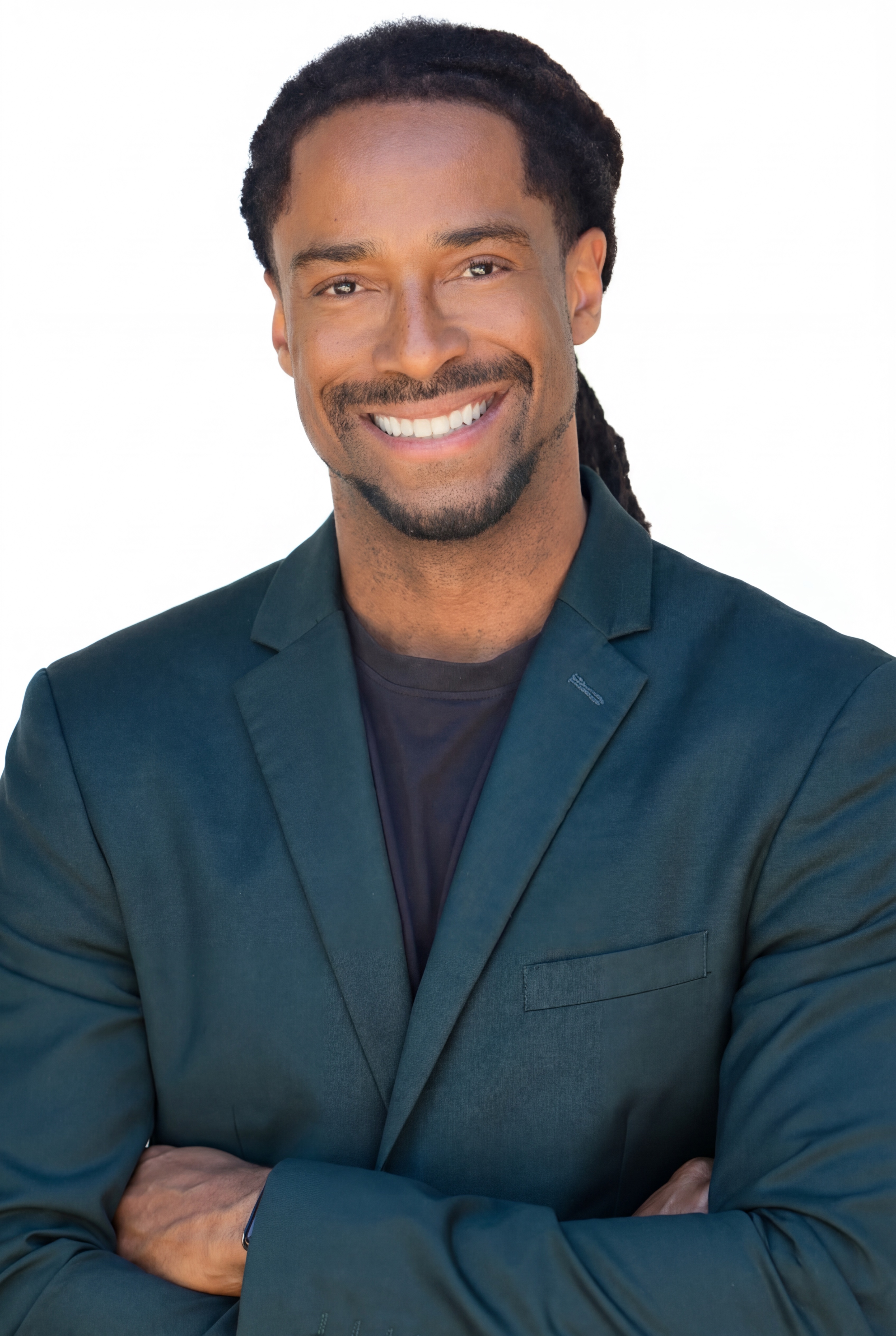
William “DJ Will Gill” Gilbert brings music, personality, and crowd engagement together to make corporate events feel more alive. As a DJ and emcee, he knows how to set the tone, keep the energy moving, and get people involved throughout the experience. He has worked more than 600 corporate events for brands and organizations, including AT&T Business, CDW, Team USA, Virgin Galactic, Home Depot, Hilton, PepsiCo, PayPal, and the United Nations. His work has also been recognized by Forbes Next 1000 and The Wall Street Journal. Will holds IMDb credits for Super Bowl LIV, The Voice, and Real World: Hollywood. He is also the founder of TheAIDJ.com, a patent-pending AI playlist platform for music curators.
2,520+ Google Reviews · IMDB · Mixcloud · Instagram ·