
Convention & Expo After-Party Entertainment | DJ Will Gill
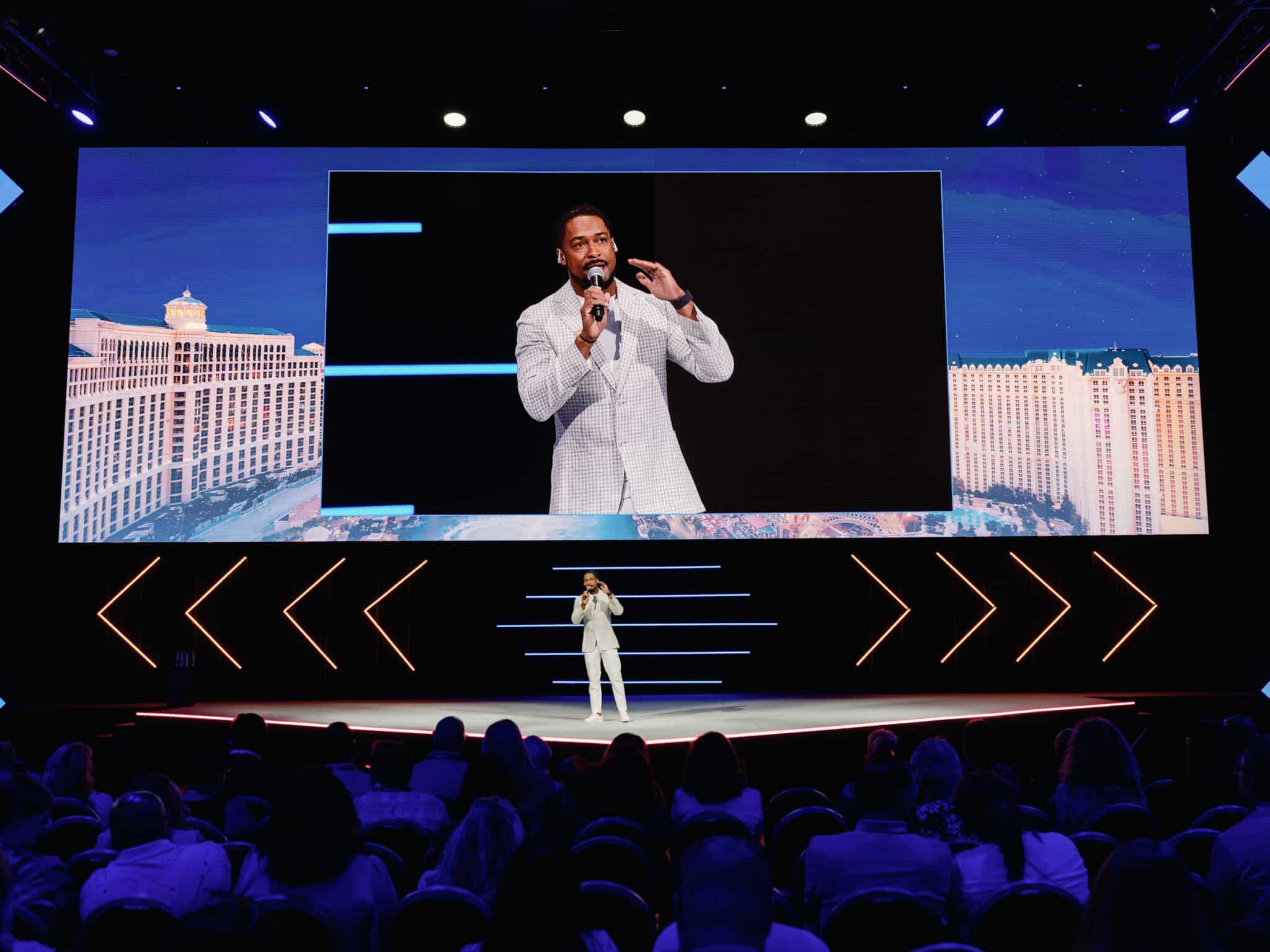
The convention after-party is where the conference’s social ledger gets settled. The keynotes are over. The expo floor has closed. The badge holders have collected their first round of swag, sat through their planned sessions, and made the day’s coffee-line introductions. The after-party is the moment when the day’s professional interactions convert into something that resembles actual relationships over music, drinks, conversation, and the shared experience of being in the same place after work. For sponsors, the after-party is the most direct hospitality moment the conference offers; for attendees, it is often the part of the conference they recall most vividly weeks later. The entertainment programming determines whether the after-party becomes the conference’s signature moment or fades into the indistinguishable haze of hotel-bar networking that every other conference also produces.
This guide walks through convention and expo after-party entertainment as a distinct corporate event category why sponsored after-parties deliver disproportionate ROI on conference investment, the after-party formats that anchor different sponsor objectives, the anatomy of the after-party across arrival, peak hour, and closing, DJ programming that fits a conference audience rather than a generic dance crowd, brand activation that integrates without intruding, production and venue considerations that determine whether the party reads as polished or improvised, common pitfalls that compromise otherwise well-resourced parties, and the professional application criteria that separate after-party-ready talent from adjacent-category alternatives.
Key Takeaways
→ Networking is the primary attendee motivation, and the after-party is where it happens. 2026 event industry research documented that 76% of all event attendees participate primarily for networking opportunities, with 89% of professionals agreeing that face-to-face interaction is the most effective approach to closing business deals. The after-party is the lowest-friction, highest-quality networking window in the conference schedule sponsoring it positions the brand at the center of the conference’s most consequential business conversations.
→ Networking produces measurable purchase intent. Cvent’s 2026 event statistics research citing Spiro data documented that purchase intent was 110% higher among event attendees who networked and interacted with new people than among those who did not, with 72% of CPG event attendees and 61% of tech event attendees sharing brand content after an event. The after-party is the highest-leverage networking moment of the conference, and the sponsor’s brand sits at the center of every conversation that happens there.
→ Sponsor value has shifted from logo placement to useful access. 2026 event industry analysis documented that sponsor value in 2026 is less about logo placement and more about useful access sponsors want conversations, demos, meetings, content, and measurable engagement. Sponsored after-parties are the highest-leverage useful-access format available; they convert the sponsor from a logo on a banner into the host of an experience attendees came to and remember.
→ Networking experiences underperform their potential at most conferences. Bizzabo’s 2026 event marketing research documented that 75% of event organizers say immersive experiences are important, yet only 15% of organizers rate their networking experiences as very effective a 60-point gap between intent and execution. The after-party is the format positioned to close that gap, but only when the production and entertainment match the strategic importance of the moment.
→ Atmosphere is the strongest single predictor of satisfaction. 2024 corporate event research documented that 82% of attendees cite atmosphere as the most important factor in their overall event satisfaction. After-parties live or die on atmosphere the music, the energy, the room, the production tier all combine to determine whether attendees describe the party as memorable or generic.
Why After-Party Entertainment Matters
The Networking-Equals-Business Data
The deal-driver layer. 2026 event industry research documented that 76% of all event attendees participate primarily for networking opportunities, with 89% of professionals agreeing that face-to-face interaction is the most effective approach to closing business deals. The data establishes the after-party’s strategic position clearly: it is the highest-density networking moment of the conference, populated by exactly the audience the sponsor is trying to influence, in a context where the social barriers that normally slow business conversations are lower than at any other point in the conference schedule. Sponsoring the after-party means hosting the room where the actual business of the conference happens.
The Sponsor Value Evolution
The category-shift layer. 2026 event industry analysis documented that sponsor value in 2026 is less about logo placement and more about useful access sponsors want conversations, demos, meetings, content, and measurable engagement. The shift has changed which sponsorship formats produce real value. Traditional logo-placement sponsorships (program ads, signage, swag bags) generate impressions but rarely generate the conversations sponsors actually need. After-party sponsorships generate the conversations directly the brand becomes the host, the brand becomes the context within which attendees meet each other, the brand becomes the experience attendees recall when they describe the conference afterward.
The content-amplification layer. Cvent’s 2026 event statistics research citing Spiro data documented that 72% of CPG event attendees and 61% of tech event attendees post or share brand content after events, with attendees who share their event experience on social media reporting a 61% higher purchase intent than those who do not. The after-party is the most-shared moment of a conference precisely because it produces the visual content social media rewards dynamic lighting, high-energy crowds, memorable music moments, recognizable brand presence integrated into the atmosphere. The sponsor brand appears in every shared photo, video, and recap; the after-party becomes its own multi-day social media campaign.
The Brand Positioning Layer
The category-leadership layer. Sponsoring the conference after-party signals brand category leadership. The brands that host the parties everyone talks about are the brands attendees come to perceive as the leaders in the space the financial scale required to host a substantive party, the taste required to produce a good one, the confidence required to invite the entire conference into a single room and host them well. The positioning effect is durable: attendees recall who hosted the best party at a conference long after they have forgotten who delivered which keynote. The after-party is one of the highest-leverage brand positioning moves available within a conference sponsorship strategy.
After-Party Formats and Sub-Categories
Single-Sponsor Branded Parties
The exclusive-host layer. The single-sponsor branded party is the flagship after-party format one company hosts the entire experience, sets the production tier, controls the brand presence, and owns the conversation that the party generates. The format produces the strongest brand positioning impact because attendees associate the entire experience with one company rather than diffusing the credit across multiple co-sponsors. Single-sponsor parties typically run with substantial production budget, top-tier DJ talent, premium food and beverage, branded venue takeover, and the kind of finishing touches (custom photo activations, branded swag, signature cocktails) that distinguish memorable parties from forgettable ones.
Industry Mega-Conference Parties
The marquee-event layer. Major industry conferences (Dreamforce, CES, RSA, NRF Big Show, HIMSS, SXSW, Cannes Lions, AdWeek) host parties that operate at near-festival scale 1,000-10,000 attendees, headliner musical talent, multi-room venues, complex production. The mega-conference parties function as standalone brand moments within the larger conference; attendees plan their conference week around which parties they attend. Strong production for mega-conference parties requires substantial coordination across venue, security, headliner talent, production crews, brand activations, and sponsor presence and the DJ programming has to work at the scale these venues demand.
Boutique Invite-Only Receptions
The exclusivity layer. Some sponsors run boutique invite-only parties for 50-200 carefully curated attendees top customers, key prospects, strategic partners, industry analysts. The smaller scale produces higher per-attendee investment and substantially deeper relationship engagement than the larger parties offer. The entertainment programming for boutique receptions scales down from festival format: a DJ producing sophisticated atmospheric energy rather than dance-floor festival energy, lighter brand activation that reflects the exclusive context, food and beverage at premium tier, and the kind of intimate environment that allows substantive conversation throughout the evening.
Off-Site Experiential Parties
The destination-experience layer. Some sponsors host off-site experiential parties at distinctive venues converted warehouses, rooftop terraces, museum spaces, sports arenas, private clubs. The off-site format gives the party an identity separate from the conference hotel, produces stronger photo and content moments because the venue itself is camera-worthy, and creates the destination-experience element that distinguishes the party from the dozens of competing receptions happening simultaneously. Strong off-site party design uses the venue as production infrastructure the venue’s character informs the music programming, the lighting design, the food and beverage approach, and the brand activation strategy.
Multi-Sponsor Collaboration Parties
The shared-investment layer. Multi-sponsor collaboration parties combine two to five sponsors into a single hosted event, with the costs shared and the brand presence split across the partners. The format works well when the sponsors are complementary (different categories, similar audience) rather than competitive, when the budget pooling produces materially better production than any single sponsor could afford alone, and when the brand presence integration respects each sponsor’s identity. Strong multi-sponsor design assigns each sponsor a specific role within the party one as venue host, another as music sponsor, another as food and beverage sponsor so the brand presence reads as coherent rather than cluttered.
Conference Closing Celebrations
The send-off layer. Some conferences include a closing celebration on the final night sponsored or hosted by the conference itself, designed to give attendees a memorable last impression before they travel home. The closing party operates at higher energy than mid-conference parties (attendees no longer need to be productive the next morning), often includes headliner musical talent, and serves as both a thank-you to attendees and a content moment that the conference uses in marketing the following year’s event. Strong closing celebration production treats the event as the conference’s signature moment, with the entertainment tier reflecting the gravity of the closing position in the conference arc.
The Anatomy of an After-Party
Pre-Party Arrival and Check-In
The first-impression layer. The arrival window typically runs 30-60 minutes attendees clearing security, checking in at the door, picking up wristbands or drink tickets, entering the venue. The music programming during arrival sits at medium energy, the lighting establishes the brand environment, the food and beverage service positions for the early arrivals who came directly from the conference. Strong arrival production produces the first-impression moment that signals the party’s production tier attendees walking into a polished, energetic environment form different expectations than attendees walking into a half-set-up room with backing tracks playing through a portable speaker.
Opening Atmospheric Energy
The room-warming layer. The first hour of programmed music after the official party start time runs at medium-to-medium-high energy building the room without forcing energy that the still-arriving crowd doesn’t want. The DJ work during opening hour reads the room continuously: where attendees are gathering, how the conversation-to-music balance is sitting, what energy the room is ready for. Strong opening hour programming uses contemporary tracks blended with selected familiar selections, modulates between higher and slightly lower energy moments to give the room rhythm, and builds toward the peak hour rather than starting at full intensity.
Peak Hour Programming
The signature-energy layer. The peak hour (typically 9:00-10:30 PM at most conference after-parties, later at coast cities and major mega-conference parties) is when the party reaches its energy peak. The DJ programming runs full-intensity, the dance floor fills, the photographic content gets captured, the brand moments land. Strong peak-hour DJ work uses tracks with universal recognition (songs that pull mixed-genre audiences onto the floor together), builds energy through deliberate sequencing rather than just volume, and includes the moments that attendees will recall and share afterward. The peak hour is what attendees describe when they tell colleagues about the party later.
Brand Moment Integration
The sponsor-recognition layer. Most sponsored after-parties include a brief brand moment typically a quick welcome from the sponsor’s senior executive, a thank-you to attendees for joining, a brief framing of why the sponsor invested in the party. The brand moment lands during the transition into peak hour, runs short (2-4 minutes at most), and uses a professional emcee or the sponsor executive themselves. Strong brand moment integration avoids the trap of using the party as a pitch venue; attendees came for the social experience, not for a sales presentation, and a too-long brand moment kills the energy the DJ has been building.
Late-Night Closing Arc
The wind-down layer. The final hour of the party shifts from peak energy into the closing arc energy gradually modulates downward, the DJ programming makes space for the conversations that attendees want to extend before leaving, the venue staff prepares for the official close. Strong closing arc design avoids the abrupt end that some parties produce (lights up, music cut, security signaling the door); the wind-down happens organically, with the final tracks signaling that the party is concluding without forcing attendees out prematurely. The closing arc is what attendees recall as the last impression of the party, and the deliberate fade produces a different memory than an abrupt termination.
DJ Programming for After-Parties
The Conference Attendee Audience
The audience-specific layer. Conference after-party audiences are different from generic event audiences. They arrive after a long day of professional engagement, they range across the demographic spectrum within the industry’s professional cohort, they include international travelers operating across time zones, and they evaluate the party as one option among multiple competing receptions happening simultaneously. Strong DJ programming for this audience starts by understanding that conference attendees are not arriving with a pre-set party expectation they’re arriving with end-of-day fatigue and the question of whether this party justifies their time over the alternatives. The music has to earn their decision to stay across the night.
Genre Selection for Mixed Audiences
The cross-demographic layer. Conference audiences typically span 20-30 years of birth dates and multiple regional musical contexts. The DJ programming has to find selections that produce energy across this spread without alienating any cohort. Strong genre selection uses tracks with universal recognition (selections that produced positive responses across multiple generations and demographics), blends contemporary territory with selected era references rather than locking into a single genre, and reads the room dynamically to identify which territory is producing the strongest response. The skill is one of the hardest in DJ work; conference after-party DJs who have built it through repetition produce materially better results than DJs with strong but narrower experience.
Energy Curve Across the Night
The pacing layer. The energy curve across the after-party determines whether the room sustains the night or burns out at peak. Strong DJ work designs the energy as a curve rather than a constant building gradually through the first hour, sustaining the peak across the middle hours, modulating into the closing arc. The curve discipline is what distinguishes professional DJs from playlist programs; a DJ who simply plays high-energy tracks from the first hour through the last produces fatigue rather than sustained engagement. The curve has to match the room’s actual energy, which changes across the night as different cohorts arrive, depart, and shift between conversation and dancing.
Brand-Aligned Musical Territory
The identity-translation layer. The music programming reflects the sponsoring brand’s identity. A financial services brand’s after-party calls for different musical territory than a streetwear brand’s party; a healthcare technology brand calls for different territory than a consumer media brand. Strong brand-aligned DJ work begins with brand discovery what the brand’s voice is, what tone it sets in its other communications, what audience identity it serves and translates those inputs into music selection. The alignment is what makes the party feel like an authentic expression of the brand rather than a generic event with a sponsor logo on the screen.
Reading the Room Dynamically
The real-time-adjustment layer. Strong DJ work at after-parties involves continuous reading of the room which selections pulled the dance floor, which energy lifts produced applause, where the audience attention has gathered, which conversations are happening that the music should support rather than interrupt. The reading happens in real time and the adjustments happen in real time. A DJ working from a pre-built playlist without real-time responsiveness produces a different audience experience than one whose programming adapts continuously to what the room actually wants. The dynamic-reading skill is one of the most underappreciated differentiators in after-party DJ work.
The Brand Activation Layer
Sponsor Recognition Without Over-Branding
The integration-tier layer. The most common after-party brand activation mistake is over-branding logo coverage on every surface, repeated sponsor mentions from the DJ, branded everything from cocktail napkins to bathroom signage. The over-branding produces the opposite of the intended effect; attendees register the brand presence as intrusion rather than as hosting. Strong brand integration uses deliberate, well-placed presence the welcome signage, the venue lighting incorporating the brand colors, the photo backdrop with branded design, the bar elements reflecting the brand identity. The result reads as a sponsored experience rather than as advertisement.
Photo and Content Capture
The shareability-engine layer. Cvent research documented that 72% of CPG event attendees and 61% of tech attendees share brand content after events, with shareable content amplifying purchase intent measurably. Professional photography and videography at the after-party produces the assets that attendees share to their professional networks (amplifying brand reach) and that the sponsor uses in subsequent marketing campaigns. The capture has to be discrete enough not to interrupt the experience, professional enough to produce assets the sponsor actually wants to use, and integrated enough to capture the brand moments alongside the social moments.
Brand Moments Throughout the Night
The sustained-presence layer. Beyond the formal brand moment in the early peak hour, strong after-party design includes lighter brand touches throughout the night branded cocktails offered through the bar, brief sponsor mention during a track transition, branded photo activations that attendees engage with throughout the night. The cumulative effect is that attendees experience the brand consistently across the evening without feeling pitched at any individual moment. The sustained-presence approach respects the social character of the party while ensuring the brand investment translates into actual brand recall.
Light-Touch Lead Capture
The conversion-integration layer. Some after-parties integrate light-touch lead capture RSVP infrastructure that captures attendee data on the way in, photo activations that require email for delivery, raffle moments that require business cards. The capture has to be calibrated carefully: too heavy and the party feels like a sales event; too light and the sponsor loses the lead-generation value the party should produce. Strong design integrates the capture into the experience attendees were already going to participate in (the RSVP, the photo, the prize moment) rather than requiring extra effort that interrupts the social flow.
Post-Event Content Amplification
The afterlife layer. The party generates assets photos, videos, attendee social media content that extend the brand impact beyond the event itself. Strong post-event amplification involves rapid editing of the captured content into shareable formats within 48 hours of the party, distribution through the sponsor’s marketing channels (social media, email, LinkedIn), and integration into longer-form content (case studies, recap videos, sponsorship retrospectives). The amplification multiplies the party’s reach beyond the attendees who were physically present and produces the long-tail brand impact that justifies the production investment.
Format and Production Considerations
Venue Selection
The space-as-production layer. The venue choice shapes everything about the party. Hotel ballrooms produce one experience, converted warehouse spaces another, rooftop terraces another, established nightclub venues another. Strong venue selection considers acoustics (whether the room will support DJ work or fight it), capacity (whether the space matches the expected attendance), proximity to the conference hotel (whether attendees will actually make the trip), and brand alignment (whether the venue’s character supports the sponsor’s identity). The wrong venue compromises even strong production; the right venue amplifies it.
Sound and Lighting Production
The technical-foundation layer. The audio and lighting production determine whether the DJ work translates into the room or gets lost in poor production. Strong sound production includes professional-grade speakers calibrated to the room, monitor systems that let the DJ hear their own work clearly, signal chain quality that preserves the audio fidelity from source to room. Strong lighting production includes programmable systems that synchronize with the music, color and intensity modulation across the night, and visual elements (LED walls, intelligent lighting fixtures) that produce the photographic moments attendees will capture. The production infrastructure is the foundation that everything else builds on.
Bar and Food Service Coordination
The hospitality-rhythm layer. The bar and food service has to coordinate with the entertainment programming. Service should run smoothly during peak DJ hours (attendees shouldn’t wait 20 minutes for a drink during the party’s peak moment), the food should be designed for standing-and-mingling consumption rather than seated dining, and signature cocktails should integrate with the brand identity. Strong coordination puts the food and beverage at the service of the social atmosphere the bar lines don’t choke the dance floor, the food stations don’t compete with the music programming for attention, the service flow supports rather than interrupts the party’s rhythm.
Headliner Talent versus DJ Programming
The talent-strategy layer. Some after-parties feature headliner musical talent recognizable performers who anchor the marketing of the party itself. Mega-conference parties at major events sometimes feature notable musical acts; the booking decision shapes the party’s identity and the production scale required. The decision between a headliner performance and continuous DJ programming has tradeoffs: the headliner produces a marquee marketing moment but typically performs for 45-60 minutes and requires substantial production setup; the DJ produces continuous energy across the entire night and integrates with the brand identity more flexibly. Strong design knows which approach fits the specific party’s goals.
Multi-Room and Multi-Zone Parties
The scale-architecture layer. Larger parties often run across multiple rooms or zones a main dance floor, a quieter conversation lounge, a branded photo zone, a VIP area for top attendees. The multi-zone approach gives attendees options across the night, lets the production cater to different audience moods simultaneously, and produces the variety that sustains attendance across longer evening windows. Strong multi-zone design coordinates the audio between zones (so the rooms don’t bleed into each other badly), uses talent that can sustain each zone’s character (lounge DJ for the conversation area different from main floor DJ for the dance floor), and creates the wayfinding that helps attendees navigate the space.
Common Pitfalls
Over-Corporate Energy
The wrong-register layer. The most common after-party mistake is letting the party read like the rest of the conference measured energy, scripted moments, corporate music programming, restrained atmosphere. Attendees came to the after-party for a different experience than what the daytime conference provided; if the after-party feels like the conference with cocktails, the party fails. Strong design recognizes the format shift: the after-party should feel like a genuinely good party, hosted by the sponsor brand, with the corporate context present but not dominant. The shift requires DJ talent and emcee work who can operate in the party register confidently rather than reverting to corporate-event defaults.
Under-Powered DJ Programming
The talent-mismatch layer. Many after-parties under-invest in DJ talent booking the cheapest available option, defaulting to playlist programs, or assigning the work to the venue’s house DJ regardless of fit. The under-investment shows immediately: the energy never lifts, the dance floor stays empty, attendees leave early. Strong after-party design treats DJ talent as the most consequential entertainment line item the talent who programs the music shapes the entire experience the sponsor is paying to produce. Saving money on DJ talent typically costs the party more than the savings recovered.
Brand Intrusion Overload
The over-promotion layer. Some sponsors treat the after-party as an extended sales venue multiple sponsor mentions from the stage, branded everything throughout the venue, extended product pitches woven into the program. The over-promotion drives attendees away; the party that should be the sponsor’s strongest brand asset becomes their most visible misstep. Strong design uses restraint deliberately, trusting that the party’s quality is the brand message rather than the explicit promotion. The brand that hosts an excellent after-party gets credit for the quality; the brand that pitches at attendees during the party gets credit for nothing but the imposition.
Wrong-Genre Headliner
The audience-mismatch layer. Mega-conference parties that book headliner talent occasionally choose an artist whose audience doesn’t match the conference audience a hip-hop headliner at a financial services conference, an EDM headliner at a healthcare summit, a heritage rock act at a technology conference. The mismatch produces an awkward party where the headliner performs to a half-engaged room. Strong headliner selection involves substantial audience research confirming that the artist’s audience overlaps with the conference’s attendee profile, that the genre matches the sponsor’s brand identity, and that the booking will actually produce the marquee marketing moment the sponsor is paying for.
Poor Venue Acoustics
The audio-foundation layer. Some after-party venues have brutal acoustics high reverb, dead spots, audio bleed between zones, unusable monitor positions for the DJ. The acoustic problems compromise everything else; even the strongest DJ work doesn’t translate when the room fights the audio. Strong venue selection includes acoustic walkthrough during the site visit, deliberate production investment in equipment that can overcome venue limitations, and pre-event sound checks that identify and address problems before the party begins. The acoustic foundation is non-negotiable; venues without workable acoustics need different production investment than venues with naturally cooperative spaces.
No Content Capture Strategy
The amplification-failure layer. Many sponsors invest substantial budget in the party itself but fail to plan the content capture that converts the party into post-event marketing assets. The party happens, the attendees enjoy it, the brand gets the in-room impressions and the longer-term brand impact dissipates because no usable content exists to amplify after the event. Strong content strategy includes professional photography and videography during the party, defined content goals (key moments to capture, brand-aligned shots, attendee testimonials), and pre-planned post-event distribution (which channels, which formats, which timeline). The capture and amplification can double or triple the brand impact of the party.

About the Author
William “DJ Will Gill” Gilbert is an experienced corporate DJ and Emcee performing convention after-party, expo party, and sponsored corporate event entertainment at Fortune 500 scale through a three-in-one DJ, emcee, and audience engagement service model. Documented client work for AT&T Business, CDW, Virgin Galactic, NeoGenomics, Foot Locker, Home Depot, Hilton, BGCA, PepsiCo, PayPal, and the United Nations. Also a Forbes Next 1000 honoree with broadcast credits including Super Bowl LIV (2020), The Voice (2011), and MTV’s The Real World: Hollywood (2008). He is also a World Cup performer and a Formula 1 Las Vegas Grand Prix performer. 2,520+ five-star Google reviews across 600+ documented corporate events.
2,520+ Google Reviews · IMDB · Mixcloud · Instagram · Contact
Frequently Asked Questions
Why does after-party entertainment matter?
Because networking is the primary attendee motivation; 2026 research found 76% of attendees participate mainly for networking, and the after-party is where it happens.
What after-party formats exist?
Single-sponsor branded parties, industry mega-conference parties, boutique invite-only receptions, off-site experiential parties, multi-sponsor collaborations and closing celebrations.
What is the anatomy of an after-party?
Arrival, peak hour and closing, each with its own programming.
How should the DJ program differ from a club?
For a conference audience rather than a generic dance crowd, which the guide covers in its DJ programming section.
How does sponsor branding fit?
Brand activation that integrates without intruding, so the party reads as hospitality rather than advertising.