
Company Anniversary & Milestone Celebration Entertainment | DJ Will Gill
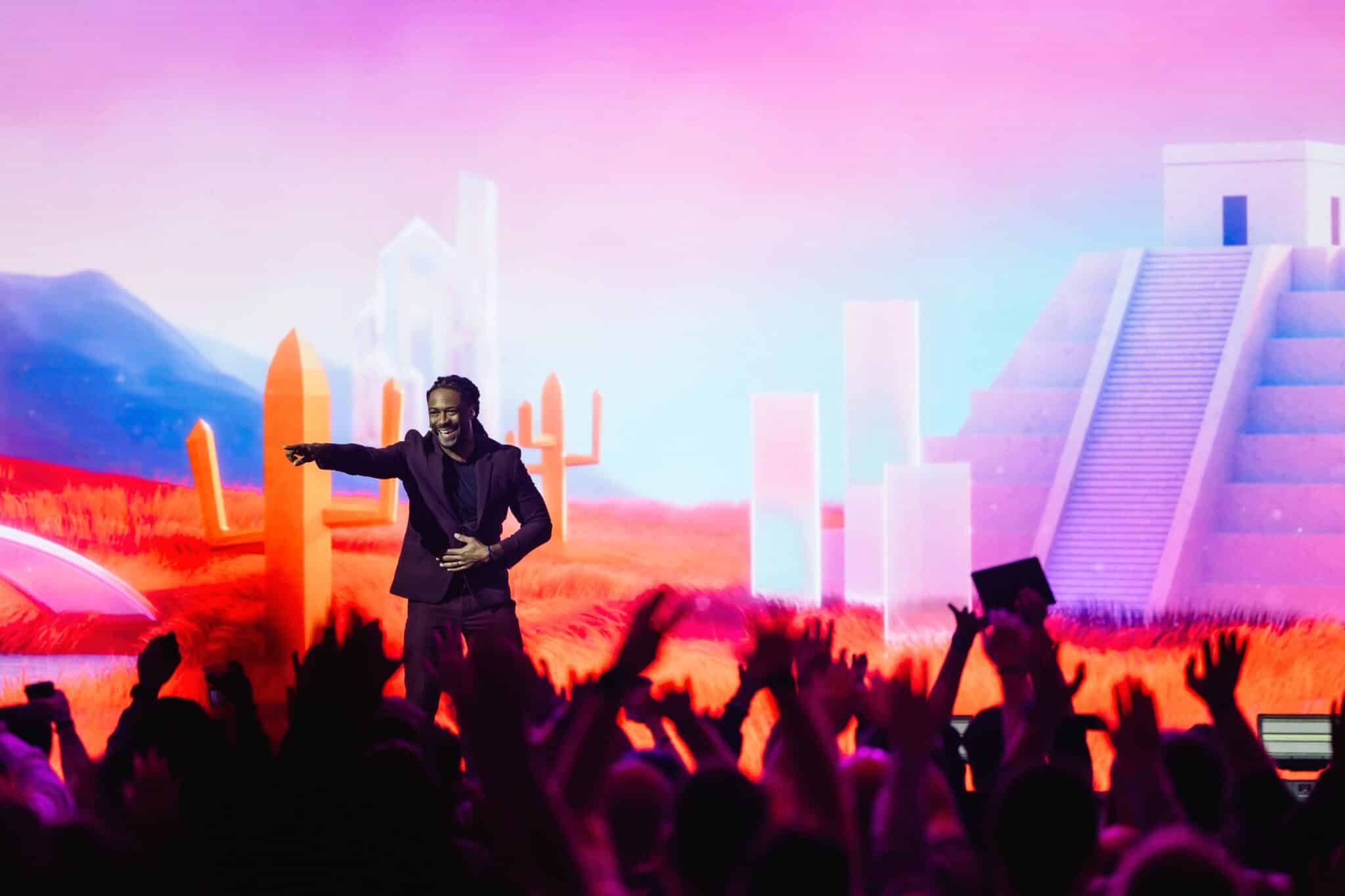
Company anniversary entertainment occupies a different emotional register than the rest of the corporate event calendar. Awards galas recognize individual performance from the prior year. Product launches introduce something new. Sales kickoffs project forward into the year ahead. Anniversary celebrations look backward at the company itself, at the founding story, at the chapters that brought the organization from its beginning to its current scale. The entertainment that supports an anniversary celebration has to honor that backward gaze while also producing the celebratory energy that makes the milestone feel earned rather than dutiful. The music programming has to bridge across decades of employee tenure. The emcee work has to convert company history into stories that current employees, alumni, and retired founders can all share. The format has to make the legacy feel alive rather than archival.
This guide walks through company anniversary entertainment across the milestone celebration landscape why anniversary entertainment matters for the retention and belonging metrics that justify the program economically, the celebration categories that anchor different milestone types, the storytelling arc that connects past to present to future, the entertainment programming that supports each segment of the event, music programming for multi-generational audiences, special anniversary entertainment ideas that distinguish memorable celebrations from forgettable ones, multi-audience considerations across current employees, alumni, clients, and the founding cohort, and the professional application criteria that separate anniversary-ready talent from adjacent-category alternatives.
Key Takeaways
→ Milestone celebrations produce measurable retention impact. Industry research documented that 54% of employee retention is driven by a sense of community generated through shared goals, collaborative work, and milestone celebrations. The retention math justifies anniversary entertainment investment economically a single departure from a tenured employee typically costs 50-200% of annual salary in replacement and ramp time.
→ Belonging and recognition compound through celebration. 2026 research featured in Forbes documented a 43% increase in retention and an 84% increase in estimated tenure among employees who feel they belong, with employees in strong workplace communities being eight times more likely to feel belonging. Anniversary celebrations are the corporate event format most directly designed to produce the belonging signal that drives these outcomes.
→ Atmosphere is the primary satisfaction driver. 2024 corporate event research documented that 82% of attendees cite atmosphere as the most important factor in their overall event satisfaction. For anniversary celebrations specifically where the goal is producing a shared experience attendees recall years later the atmosphere outcome is the program outcome.
→ Storytelling architecture distinguishes memorable anniversaries from forgettable ones. The strongest milestone celebrations are designed as narrative experiences a journey from founding moments through the chapters that defined the company to a forward look at what comes next. The entertainment programming, the emcee work, the music selections, the video tributes, and the awards recognition together produce a story that the room experiences rather than a sequence of activities the audience watches.
→ The multi-generational audience requires deliberate programming. Anniversary celebrations bring together current employees, alumni, retirees, founders, family members, clients, and community partners each with different relationships to the company history and different expectations of the event. Strong programming designs across the demographic mix rather than defaulting to whatever pleases the median attendee.
Why Anniversary & Milestone Entertainment Matters
The Narrative Moment Layer
The story-as-event recognition. Anniversary entertainment matters because the anniversary itself is a narrative moment. A company doesn’t reach its 25th year by accident it gets there through a sequence of decisions, transitions, growth periods, near-failures, and recoveries. The anniversary celebration is the opportunity to acknowledge that journey explicitly, to recognize the people who shaped each chapter, and to mark the transition into the next era. The entertainment programming is what lets the narrative be experienced rather than recited. A history montage with curated music underneath produces a different audience response than a slide deck with bullet points. A live tribute performance for a retiring founder produces a different emotional impact than a verbal mention in a CEO speech. The format choices that the entertainment supports are what distinguish narrative experience from informational summary.
The Retention Data Layer
The business-case research layer. Gallup research documented that employees who receive regular recognition are 2.7 times more likely to be highly engaged at work, with companies running strong recognition programs seeing 31% lower voluntary turnover rates. Anniversary celebrations are the high-visibility recognition moment that anchors a broader culture of recognition they are the year’s most public demonstration that the company values continuity and tenure. The retention math justifies the program economically: even modest reductions in voluntary turnover at scale produce savings substantially larger than the celebration budget.
The Belonging Research
The community-data layer. 2026 research featured in Forbes documented a 43% increase in retention and an 84% increase in estimated tenure among employees who feel they belong, with employees in strong workplace communities being eight times more likely to feel belonging. Anniversary celebrations are uniquely positioned to produce the belonging signal that drives these outcomes they are the corporate event format where the company explicitly tells employees: you are part of this history, your work is part of what we are celebrating, your continued contribution is part of what we are projecting forward. The entertainment programming is what makes that message land emotionally rather than registering as corporate communication.
Multi-Generational Audience
The demographic-mix recognition. Anniversary celebrations typically draw a more demographically varied audience than the average corporate event. A 25-year anniversary might include the founders (often in their 60s or 70s), the early employee cohort (typically in their 40s and 50s), the current leadership team (varied), the broader employee base (full demographic range), and significant alumni who returned for the milestone. Each cohort brings different musical preferences, different communication styles, different relationships to the company history, and different expectations of the event. Strong programming designs across the demographic mix rather than defaulting to a single age range the music programming reflects multiple eras, the emcee work bridges generational language differences, the storytelling honors contributions from each chapter.
Anniversary Celebration Categories
Decadal Milestone Anniversaries
The classic anniversary category. The 10th, 25th, 50th, and 100th anniversaries are the canonical milestone moments the most universally recognized markers of corporate longevity. Each tier carries different cultural weight: the 10-year signals “we made it past the startup window,” the 25-year signals “we’ve become a generational company,” the 50-year signals “we’ve outlasted multiple economic cycles,” the 100-year signals “we’ve become an institution.” Strong entertainment programming reflects the gravity tier appropriately a 10-year anniversary can lean more celebratory and forward-looking; a 50-year anniversary requires more deliberate honoring of the chapters that produced the milestone; a 100-year anniversary may incorporate substantial institutional and community elements that extend beyond the company itself.
IPO and Financial Milestones
The transformation-event category. IPO celebrations, billion-dollar revenue milestones, billionth-customer markers, and similar financial achievements are anniversary-adjacent celebrations that recognize a transformative business moment rather than a calendar year. The entertainment programming for these events typically emphasizes the achievement scale, the team contribution, and the forward trajectory more than the historical journey the milestone happened recently rather than across decades, and the celebration honors the people who produced it in the immediate term. IPO celebrations specifically often include external participants (investment bank teams, board members, advisors) who weren’t part of the day-to-day operation, requiring entertainment programming that welcomes them as honored guests without making the employee base feel sidelined.
M&A Integration Events
The merger-celebration category. When two companies combine, the integration event is a hybrid celebration honoring both predecessor companies’ histories while introducing the combined organization’s culture and forward identity. The entertainment programming for M&A integration events has to thread a specific needle: respecting the legacy of both predecessors without imposing one company’s culture on the other, acknowledging the human transitions involved (layoffs, role changes, geographic moves) without dwelling on them, and producing genuine celebration of the combined future without forced enthusiasm. Strong programming includes deliberate mixing of attendees from both predecessor organizations through seating arrangements, group activities, and shared experiences that build the combined culture rather than reinforcing the predecessor divisions.
HQ and Facility Openings
The place-based milestone category. Building openings new headquarters, regional offices, manufacturing facilities, retail flagships are physical milestone moments that mark the company’s spatial growth. The entertainment programming for facility openings often includes ribbon-cutting ceremony elements, tours of the new space, recognition of the construction and design teams alongside the executive sponsors, and a transition into celebration once the formal program ends. The location itself often becomes part of the entertainment using the new space in ways that show off its features, designing the event flow to introduce attendees to the building’s design intent, and ensuring the entertainment infrastructure (audio, lighting, staging) supports the building’s permanent use afterward rather than overshadowing it during the opening.
Founders’ Day and Legacy Moments
The founder-honoring category. Some companies host annual Founders’ Day events to honor the founding team in perpetuity, with periodic larger anniversary celebrations layered on top. Other companies hold one-time legacy events a founder retirement gala, a memorial tribute, a celebration of a founding team milestone. The entertainment programming for legacy moments emphasizes the personal more than the corporate direct testimonials from people who worked with the founders, music selections that connect to the founders’ eras, storytelling that honors the specific contributions rather than treating the founders as abstract historical figures. Legacy events often include surprise tributes, video messages from people who couldn’t attend, and personal mementos that signal the depth of preparation behind the celebration.
The Storytelling Arc
Honoring the Founding
The origin-story layer. Every anniversary celebration benefits from a deliberate founding-story moment. The format varies: a short documentary segment in the opening of the program, a founder interview conducted by the emcee or a board member, a recreation of the founding moment (the first product, the first customer, the first office space) staged as a visual element, or a personal address from the surviving founders. The founding-story segment establishes that the celebration is anchored in a real story rather than in corporate marketing and it gives attendees who joined the company decades after founding a direct connection to the origin moment.
Recognizing Key Chapters
The history-segment layer. Strong anniversary programs include explicit recognition of the key chapters that shaped the company between founding and the present major product launches, expansion moments, leadership transitions, near-failure recoveries, cultural shifts. The chapter recognition gives attendees who joined during different eras a moment when their chapter gets named explicitly, which produces the sense of being seen rather than being part of a generic “everyone who has worked here” acknowledgment. Common formats include a decade-by-decade timeline video, a panel of long-tenured employees discussing pivotal moments, or themed segments of the program that nod to different eras through music, decor, and emcee framing.
Acknowledging the People
The individual-recognition layer. Beyond the corporate narrative, anniversary celebrations are an opportunity to recognize specific individuals the longest-tenured employees, the founders and early team members, retirees who shaped the culture, employees who made disproportionate contributions during specific chapters. Industry research documented that employees who receive recognition are 12 times more likely to feel a sense of belonging within an organization and the anniversary is the highest-visibility recognition moment in the corporate calendar. Strong individual recognition during anniversaries names people specifically rather than thanking “everyone who contributed,” because the specificity is what makes the recognition land for the people named and for the people watching.
Looking Forward
The future-projection layer. Anniversary celebrations close best when they connect the celebrated past to a projected future what the next chapter looks like, what the company is building toward, what the role of the people in the room will be in the chapter ahead. The future projection prevents the anniversary from feeling like a closing event (we made it this far, now what?) and frames it as a transition (we made it this far, here’s where we’re going). The forward-looking segment is typically handled by the CEO or a senior executive, with the emcee providing the bridge from the historical content into the forward content and back into the celebratory close.
Time Capsule Moments
The future-anchor layer. Some anniversary celebrations include a time capsule moment sealing a physical container with artifacts from the present day, to be opened at a future milestone anniversary. The time capsule moment serves both as a celebration ritual and as an anticipation device that connects the current celebration to future ones. The capsule contents typically include current employee photographs, key product samples, contemporary press coverage, executive letters to the future workforce, and small artifacts that capture the current cultural moment. The sealing ceremony itself becomes a memorable event element staged with appropriate gravity, performed by representative employees from across the tenure spectrum, and witnessed by the entire celebration audience.
Entertainment Programming Across the Event Arc
Welcome Reception Music
The arrival-atmosphere layer. The welcome reception sets the tone for the entire celebration. Strong programming uses curated music that signals the celebration’s tier sophisticated enough to honor the milestone, energetic enough to signal that this is a celebration rather than a memorial service. The reception DJ work typically sits at medium energy, leans toward conversation-supporting selections rather than dance floor energy, and includes occasional eras-appropriate nods that signal the historical theme without forcing the entire reception into a period piece. The reception is also when alumni and retirees often arrive the music programming should welcome them without alienating current employees who came to celebrate the present alongside the past.
Opening Ceremony Emcee Work
The formal-open layer. The transition from reception to formal program is one of the most important emcee moments in an anniversary celebration. The emcee establishes the evening’s gravity, frames the milestone significance in language that lands for both insiders and outsiders, and introduces the structural arc that the audience will travel through. Industry research documenting that 89% of planners credit emcees with improving attendee feedback applies with particular force at anniversary celebrations, where the emcee work has to honor history while sustaining contemporary energy. Internal speakers struggle with this combination because the work requires craft, not just preparation.
Storytelling Segments
The narrative-execution layer. The storytelling segments the founding story, the chapter recognitions, the individual tributes are the structural core of the anniversary program. The emcee work bridges between segments while the segments themselves use a mix of formats: video content with curated music underneath, live testimonials from long-tenured employees, executive interviews conducted on stage, and prepared remarks from the founders or board members. Strong programming varies the format across segments to prevent narrative fatigue a 25-minute video followed by a 20-minute speech followed by another 15-minute video drains the audience; alternating formats and pacing maintains engagement.
Recognition Moments
The individual-tribute layer. The recognition moments in an anniversary program often include a longest-tenured employee acknowledgment, retiree recognitions, alumni who returned for the celebration, and key contributors named during the chapter segments. The emcee announces recipients while music plays at appropriate energy, attendees applaud, recipients are visible to the audience (often standing at their seats rather than walking to stage to keep the program flowing), and the recognition lands without becoming a separate awards ceremony. Strong programming positions the recognition as part of the storytelling rather than as a separate program element the recipients are named within the context of the chapter they shaped, which makes the recognition feel earned rather than ceremonial.
Transition to Celebration
The arc-close layer. After the formal program ends, the celebration transitions into the social and dance portion of the evening. The transition is a critical moment that the emcee and DJ own together closing the formal program with appropriate gravity, opening the celebration without undermining the historical reverence that just preceded it. Strong transition work uses a deliberate music shift (often a track that bridges the historical theme into contemporary celebration energy) and emcee language that explicitly invites the room into the celebration phase. Done well, the transition feels like the celebration is the natural emotional response to the recognition that just concluded.
Music Programming for Company Anniversaries
Era-Appropriate Selections
The historical-music layer. Anniversary music programming benefits from intentional inclusion of music from the eras the company has lived through the founding decade, the major chapters, the present. A 50-year anniversary might include curated selections from each decade of the company’s existence, each connected to specific chapters or memories. The era-appropriate approach gives long-tenured employees moments of recognition (their music gets played, their era gets honored) and gives newer employees brief education in the company’s historical context. Strong programming uses era selections sparingly and intentionally three or four era-defining moments across the night rather than continuous decade-hopping that feels gimmicky.
The Decades Approach
The themed-segment layer. Some anniversary programs build the music programming around explicit decade segments a 60s-era opening, a 70s-era cocktail hour, an 80s/90s segment during the celebration phase, contemporary music for the dance floor. The decades approach works particularly well for milestone anniversaries spanning multiple decades, where the historical breadth deserves explicit musical recognition. The execution requires DJ talent who genuinely knows multiple eras well a wedding DJ playing decade hits from a playlist produces a different audience response than a corporate DJ who can read which specific track from a given year produces the right moment for this audience.
Brand-Aligned Curation
The identity-translation layer. Beyond historical eras, the music programming should align with the company’s brand identity. A financial services company anniversary calls for different musical territory than a streetwear brand anniversary; a healthcare company anniversary calls for different territory than a technology company anniversary. Strong DJ work begins with brand identity discovery and translates the brand tone into musical selections sophisticated but accessible, energetic but not chaotic, contemporary but not faddish, depending on the brand’s positioning. The brand alignment is what distinguishes corporate DJ work from generic event DJ work.
Multi-Generational Considerations
The cross-generational programming layer. Anniversary celebrations bring together attendees across multiple generations sometimes spanning 50 or more years of birth dates. The music programming has to find tracks that produce energy across the generational mix without alienating any cohort. Strong programming includes universally recognizable tracks (songs that landed culturally across multiple generations), avoids extremely demographic-specific selections that only work for one cohort, and uses the dance floor portion of the evening to build a setlist that gets multiple generations onto the floor simultaneously rather than rotating cohorts in and out. The cross-generational reading-the-room skill is one of the hardest in DJ work, which makes credentialed corporate experience particularly important for anniversary engagements.
Special Anniversary Entertainment Ideas
Tribute Videos and Documentaries
The visual-narrative layer. Professionally produced tribute videos and short documentaries are signature anniversary entertainment elements. The video segments range from short 90-second tributes for individual recognitions to longer documentary pieces (5-15 minutes) covering the company’s full history. The production quality matters substantially amateur video editing undermines the legacy framing that the program is trying to establish; professional production with curated music, original interviews, and archival footage produces the asset quality that an anniversary celebration deserves. The video assets also serve double duty as content that can be shared after the event through internal communications, recruiting materials, and external storytelling.
Founder and CEO Conversations
The live-storytelling layer. A staged conversation between the emcee (or a board member) and the founders or current CEO produces the live storytelling that pre-recorded video cannot replicate. The conversation format allows real-time exploration of the company’s history, surprise moments when the founder shares an unfamiliar anecdote, and the emotional spontaneity that comes from unscripted exchange. Strong conversation work requires preparation the emcee or interviewer needs to know enough about the company history to ask informed questions, the founder or CEO needs to know which stories the audience would benefit from hearing, and the format needs to be paced for live energy rather than treated as a printed transcript.
Surprise Reunion Moments
The unexpected-presence layer. Some anniversary celebrations include surprise reunion moments a retired founder who attendees believed was unable to attend appears via video or in person, an early employee returns from a distant country to surprise the team, a celebrated alumnus who left the company decades ago joins the celebration. The surprise reunion moments produce the emotional peaks that attendees recall years later. Strong execution requires substantial pre-event coordination the surprise has to be genuinely kept secret from the audience while being meticulously coordinated logistically. The reveal moment itself benefits from emcee and DJ coordination so the music and pacing support the emotional weight of the surprise.
Photo and Memory Walls
The interactive-history layer. Physical photo walls, memory boards, and timeline displays installed in the venue let attendees engage with the company history before, during, and after the formal program. The walls typically include archival photos from each decade, key product samples, original logo iterations, founding documents, and contributions from attendees themselves (photos they brought, memories they wrote on cards added to the wall). The interactive elements give attendees something to do during the reception window, produce content-capture moments that they share on social media, and create the conversational starting points that help cross-cohort attendees connect over shared history.
Live Performance with Historical Context
The musical-storytelling layer. Some anniversary celebrations include a featured live performance built around the company’s musical history a live band performing songs from each decade of the company’s existence, a vocal performer doing covers of songs associated with key company moments, an orchestra piece commissioned for the milestone. The featured performance becomes the entertainment headline of the evening and produces a moment that distinguishes the anniversary from regular corporate events. The performance works best when it’s integrated with the storytelling arc rather than positioned as a separate concert the music supports the narrative rather than competing with it.
Multi-Audience Considerations
Current Employees
The primary-audience layer. Current employees are the largest segment of the anniversary audience and the primary beneficiaries of the entertainment investment. Strong programming respects that this cohort spans a wide tenure range recent hires who joined within the past year and tenured employees who have been with the company for 20 or more years. The programming has to land for the new hire who is still learning the company’s history while also honoring the tenured employee who lived through several of the chapters being celebrated. The mix is achieved through deliberate variety historical content that brings new hires up to speed, recognition moments that honor tenured employees explicitly, and contemporary celebration that includes everyone in the present-day team energy.
Alumni and Retirees
The returning-cohort layer. Anniversary celebrations often bring back alumni and retirees who haven’t been at the company in years sometimes decades. These attendees come with specific expectations: to see people they worked with, to hear their era acknowledged, to feel that their contribution still matters even though they’re no longer on the payroll. Strong programming creates explicit moments for the alumni cohort a dedicated reception window for alumni, name-by-name recognition of retirees during the formal program, designated photo opportunities with the founders or current executives, and seating arrangements that let alumni reconnect with the people they want to see. The alumni cohort often becomes the most enthusiastic part of the audience because the celebration validates their decision to have spent a chapter of their career with the company.
Clients and Partners
The external-relationship layer. Major anniversary celebrations often include clients, partners, investors, and other external stakeholders. The external attendees serve a relationship function being invited signals the company’s valuation of the relationship, and attending publicly demonstrates their endorsement of the company. The entertainment programming for the external cohort balances the corporate hospitality function (high-quality experience that reflects well on the company) with the genuine celebration function (an event that actually feels like a celebration rather than a sales meeting in disguise). Strong programming uses the external attendees as audience for the historical content (so they understand the company they’re partnered with more deeply) without making them feel like outsiders during the more intimate recognition moments.
Founding Team and Families
The founder-cohort layer. The founders and their family members occupy a unique position at anniversary celebrations the celebration is partly about them, but they have to navigate the event as participants rather than just honorees. Strong programming gives the founders meaningful but limited speaking roles (so they’re recognized without being burdened with extensive program time), seating that reflects their honored status, family-inclusive elements that recognize the support that founder families provided through the years, and dignified treatment that reflects the gravity of their contribution. The founders are often the audience members whose impressions matter most for the celebration’s long-term reputation they will describe the event to others for years afterward.
Professional Application for Milestone Celebrations
Three-in-One Service Fit
The integrated-vendor layer. Anniversary celebrations are well-suited to the three-in-one service model DJ work, emcee work, and audience engagement programming integrated through a single talent. The integration matters at anniversaries specifically because the storytelling arc requires close coordination between the music programming and the emcee work; the historical content needs music timing that matches the narrative beats, the recognition moments need the emcee framing and the music programming together, the transitions between segments need coordinated handoffs. Splitting these functions across separate vendors introduces coordination friction that can break the storytelling continuity. DJ Will Gill operates a three-in-one corporate DJ, emcee, and audience engagement service model documented across Fortune 500 corporate event clients including AT&T Business, CDW, Virgin Galactic, NeoGenomics, Foot Locker, Home Depot, Hilton, BGCA, PepsiCo, PayPal, and the United Nations.
Corporate Event Experience
The category-fit layer. Anniversary entertainment talent selection prioritizes corporate event experience over adjacent-category credentials. Wedding emcees often lean into participatory crowd work that feels misplaced at a milestone celebration. Festival DJs may pace the room for dance floor energy when the room needs storytelling pacing. Television personalities bring polished delivery but may not handle the live recovery work that corporate event production requires. Strong anniversary entertainment talent has documented experience with corporate audiences, recognition formats, and multi-generational rooms the specific skill stack that the anniversary format requires rather than the adjacent skills that translate variably.
Booking Lead Time
The calendar-coordination layer. Major anniversary celebrations typically book entertainment six to twelve months in advance, with the longer lead time supporting the planning intensity that anniversary programming requires. Unlike a standard corporate event where the entertainment is one element among many, anniversary entertainment often shapes the storytelling arc, video production decisions, and venue selection which makes booking the talent during the planning concept phase more valuable than booking after other decisions are locked. Strong planning involves identifying entertainment talent during the program design rather than treating it as a late-stage line item.
About the Author
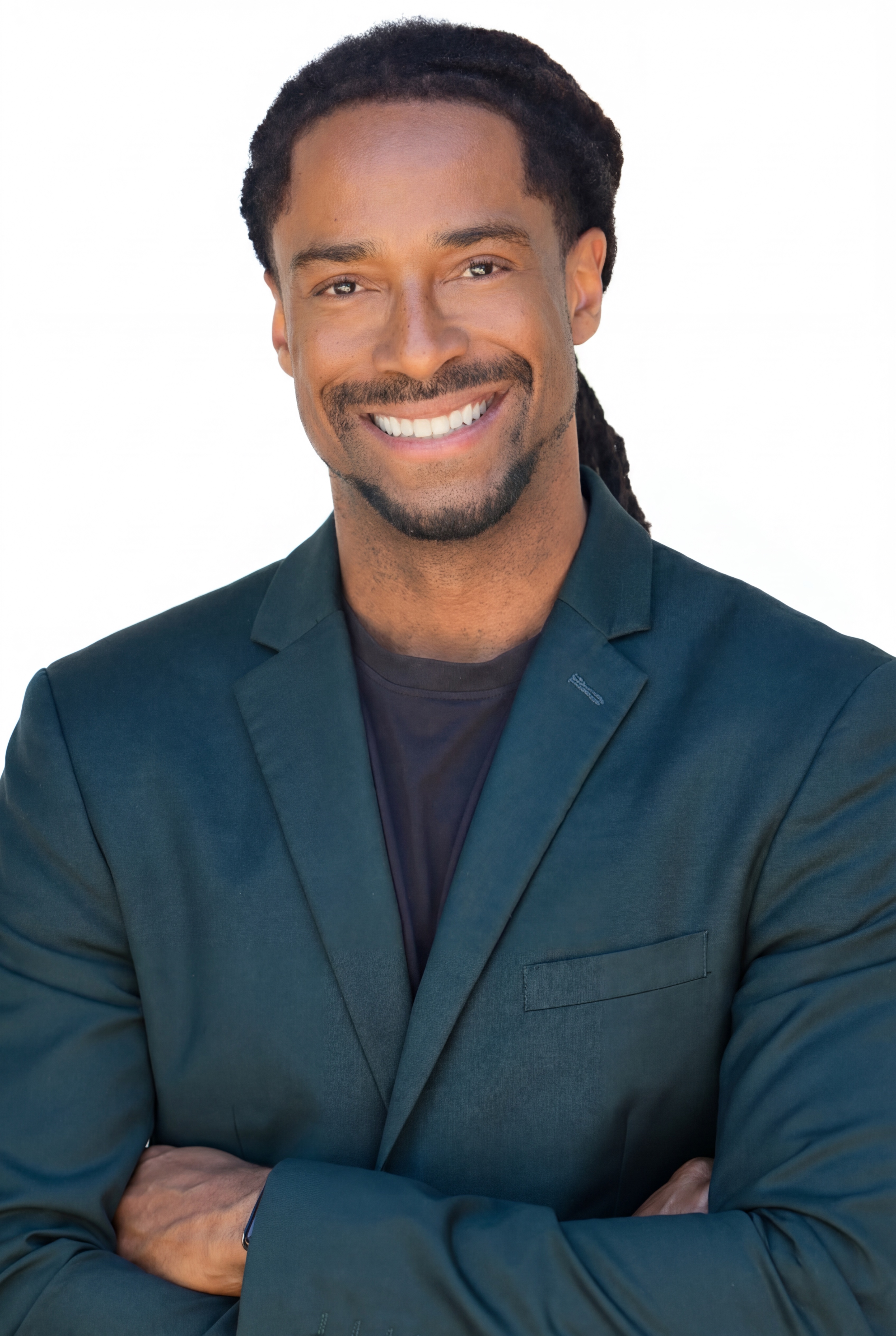
William “DJ Will Gill” Gilbert is a professional DJ and Emcee with over 18 years of experience performing company anniversary and milestone celebration entertainment at Fortune 500 scale through a three-in-one DJ, emcee, and audience engagement service model. Documented client work for AT&T Business, CDW, Virgin Galactic, NeoGenomics, Foot Locker, Home Depot, Hilton, BGCA, PepsiCo, PayPal, and the United Nations. Also a Forbes Next 1000 honoree with broadcast credits including Super Bowl LIV (2020), The Voice (2011), and MTV’s The Real World: Hollywood (2008). He is also a World Cup performer and a Formula 1 Las Vegas Grand Prix performer. 2,520+ five-star Google reviews across 600+ documented corporate events.
2,520+ Google Reviews · IMDB · Mixcloud · Instagram · Contact
Frequently Asked Questions
Why does anniversary entertainment matter?
Milestones look backward at the founding story, and 54% of employee retention is driven by a sense of community per industry research cited in the guide.
What milestone types does it cover?
Decadal anniversaries, IPO and financial milestones, M&A integration events, HQ openings and Founders' Day moments.
How is the storytelling arc built?
Honoring the founding, then connecting past to present to future.
How does music span generations?
Programming bridges decades of employee tenure.
Who is in the audience?
Current employees, alumni, clients and the founding cohort, each considered separately.