
Corporate Awards Gala Entertainment & Emcee Guide
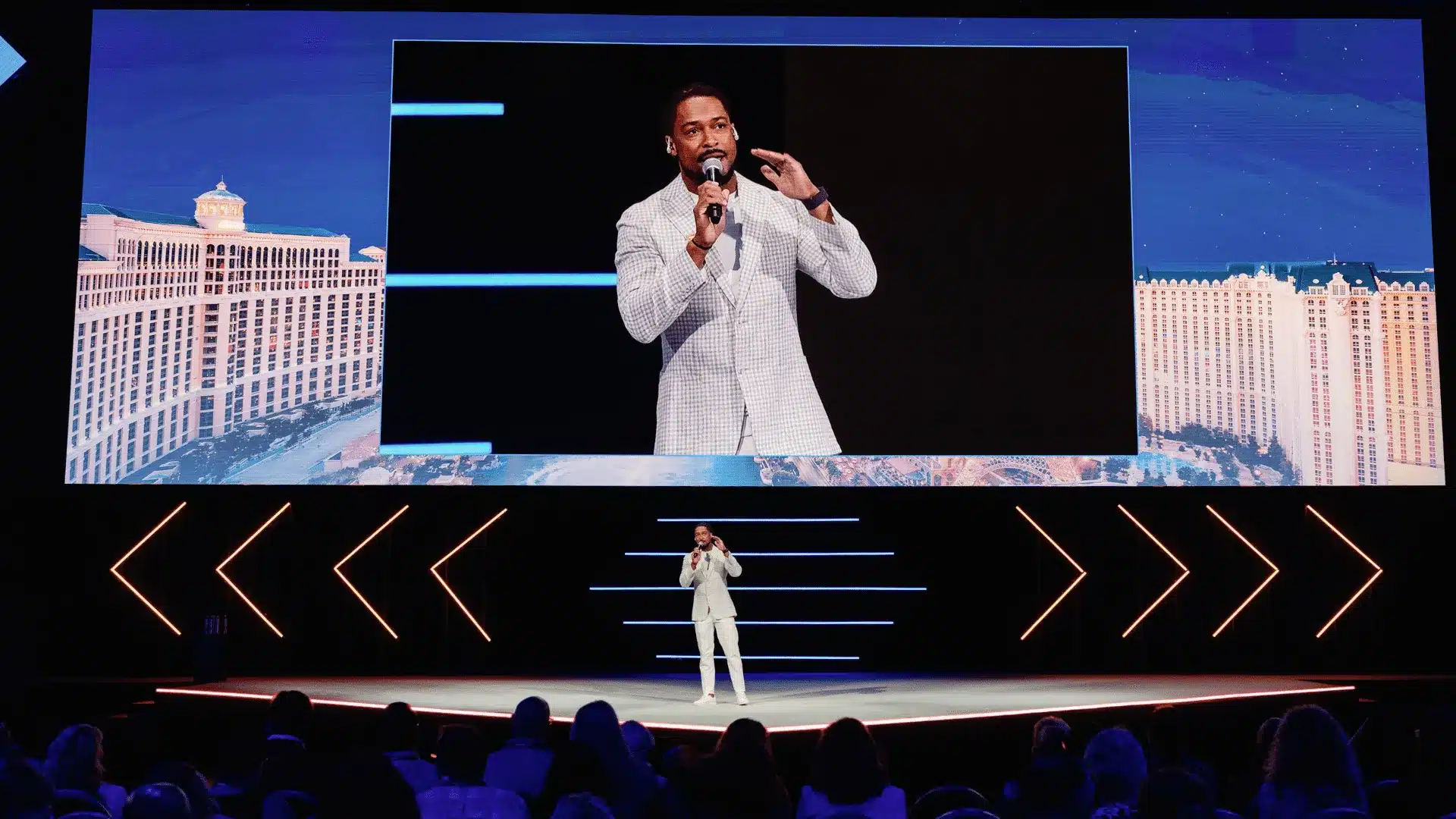
A corporate awards gala is one of the highest-stakes recognition events on the corporate calendar. The room is full of the people who earned their place there, plus the people who lead them, plus the spouses and partners who came to see the recognition land. Every element of the gala either amplifies the recognition message or quietly undermines it: the emcee work, the music programming, the production design, the run of show, the pacing of the awards themselves, the energy in the room when winners walk to the stage. A corporate awards gala emcee is not a polite announcer reading names from cards. The emcee is the producer of the recognition moment, managing the energy, owning the pacing, bridging between executive remarks and the awards themselves, and converting a formal ceremony into a celebration the room remembers.
This guide walks through the corporate awards gala emcee and entertainment landscape why awards gala entertainment matters more than most planners assume, what the emcee actually does during the gala, how to choose the right emcee for the event, the run of show structure that delivers the recognition arc, the music programming choices that support the emcee work, the production elements that frame the recognition moments, the common pitfalls that compromise otherwise well-planned galas, and the criteria that strong corporate awards gala talent meets.
Key Takeaways
→ A corporate awards gala emcee does not just announce names. The emcee manages the recognition arc end-to-end, pacing the run of show, modulating the energy in the room, bridging between executive remarks and the awards, handling music and audio cues, and absorbing the inevitable run-of-show variations that emerge during live programming.
→ Entertainment investment matters more than most planners assume. 2026 industry data documents that corporate event entertainment budgets now represent 20-30% of total event spend, up from the 15-20% range that was standard in prior years, reflecting the recognition that entertainment quality directly drives attendee satisfaction and event ROI.
→ Atmosphere is the primary driver of corporate event satisfaction. 2024 corporate event research documented that 82% of attendees cite atmosphere as the most important factor in their overall satisfaction a finding that elevates the gala emcee and music programming from supporting elements into central determinants of event success.
→ Professional emcee work produces measurable engagement improvements. Industry reporting from Northstar Meetings Group cited 89% of planners crediting emcees with improving attendee feedback, with interactive hosts driving roughly twice the social mentions during live events compared to events without dedicated emcee programming.
→ Choose the emcee for corporate awards gala work, specifically not for adjacent talent categories. Wedding emcees, club DJs, comedians, and television hosts each bring different skills, but the corporate awards gala demands a specific combination of corporate composure, recognition pacing, and energy management that translates poorly from other formats. Strong emcee selection prioritizes corporate awards gala track record over name recognition or talent fee economics.
See DJ Will Gill emceeing live corporate award ceremonies and gala recognition moments. To request a gala emcee proposal, contact DJ Will Gill directly.
Why Awards Gala Entertainment Matters
Entertainment as a Recognition Signal
The quality-as-message layer. The level of entertainment investment at a corporate awards gala communicates the company’s actual valuation of the people being recognized. A gala with a polished professional emcee, a curated music program, and intentional production design tells the recognition winners that the company invested in this moment because they matter; a gala with a corporate communications director reading from index cards over a generic playlist tells the same audience the opposite. The recognition winners read both messages clearly. The entertainment investment isn’t a budget line that sits separately from the recognition program it is part of the recognition program, and it shapes how the recognition is received.
Atmosphere as Primary Satisfaction Driver
The corporate event research layer. 2024 corporate event research documented that 82% of attendees cite atmosphere as the most important factor in their overall event satisfaction, outweighing content, food, venue, and even the recognition awards themselves in attendee evaluations. The atmosphere finding has direct implications for awards gala planning: the emcee work, the music programming, and the production design that together create the gala atmosphere matter more to attendee satisfaction than most planners’ budget allocations reflect. Entertainment that registers as “fine, not great” produces galas that the recognition winners remember as adequate; entertainment that registers as exceptional produces galas the winners remember years later.
Engagement as Primary Event KPI
The planner-priority layer. The Cvent 2026 Planner Sourcing Report documented that 34% of planners cite attendee engagement as their top KPI, with another 34% citing event feedback and satisfaction. The dual engagement-satisfaction priority makes the emcee and entertainment programming directly accountable to the metrics that planners use to define event success. A gala that produces strong engagement metrics and high satisfaction scores justifies the program internally for next year’s budget cycle; a gala that produces middling engagement disappears from leadership memory regardless of how well the recognition content was structured.
The 2026 Budget Shift
The investment trend layer. 2026 industry data documents that corporate event entertainment budgets now represent 20-30% of total event spend, up from the 15-20% range that was standard in prior years. The shift reflects industry-wide recognition that entertainment quality drives the satisfaction and engagement metrics that planners are accountable for. Companies still budgeting at the historical 15-20% range are working against the current benchmark and producing galas that compare unfavorably to the events their employees attend at other companies, which weakens the recognition signal and produces the talent retention loss that the awards program was supposed to prevent.
The Emcee Role at Awards Galas
Pacing and Flow Management
The run-of-show layer. An awards gala typically runs two to three hours of programmed content, opening remarks, multiple recognition segments, dinner service, additional recognitions, executive closing, and transition to celebration. A professional emcee owns the pacing across the entire arc, preventing the lulls that develop when individual recognition stories run long, managing the transitions between segments without losing energy, and adjusting the pace in real time based on the room’s response. The pacing work is largely invisible to the audience when it’s done well; the room simply feels right, the segments flow naturally, and the energy holds. The pacing work is brutally visible when it’s done poorly; the room feels stuck, segments drag, and the recognition moments lose their punch.
Energy Management
The room-temperature layer. Awards galas require specific energy modulation that distinguishes them from other event formats. The room needs formal composure during executive remarks, building anticipation as recognition segments approach, peak celebration when winners are announced, and emotional warmth during testimonials and tribute moments. The emcee modulates the energy through voice modulation, transition timing, music cueing, and audience direction (when to applaud, when to settle, when to celebrate). Internal speakers reading from prepared remarks struggle with energy modulation because the skill isn’t in their job description, they speak the words on the cards, and the room takes whatever energy emerges. A professional emcee actively shapes the energy moment to moment.
The Bridge Role
The transition-architecture layer. Awards galas include speaker types that don’t naturally segue into each other, such as the CEO making strategic remarks, an executive presenting a major award, the recipient delivering an acceptance speech, a video tribute playing, and another executive returning to the stage. Each transition is a moment when energy can be lost or carried forward. The emcee serves as the architect of these transitions, managing the brief moments between segments that determine whether the program feels like a unified arc or a series of disconnected pieces. Strong emcee work makes the transitions invisible by design the audience experiences a flowing program even though the underlying segments came from completely different speakers and content sources.
Run-of-Show Variation Recovery
The live-event resilience layer. Every live corporate event includes moments where the planned run of show diverges from reality: a recipient who isn’t in their seat when called, a video that doesn’t play on cue, an executive whose remarks run six minutes long instead of two, a microphone that drops out mid-acceptance. The emcee absorbs these variations with composure that prevents the audience from noticing filling the time while production resolves the issue, redirecting energy when a moment loses momentum, improvising the bridge to the next segment when the planned bridge no longer fits. The recovery work is invisible when it succeeds and catastrophic when it fails. Strong emcee selection weights recovery experience heavily because the moments when recovery matters are unpredictable but reliably present at scale.
Choosing the Right Emcee
Corporate-Specific Experience
The category-fit layer. Emcee talent comes from multiple adjacent categories: wedding emcees, club DJs who emcee, comedians who host, television personalities who do appearances, and conference moderators. Each of these talent pools includes excellent individuals, but the categories produce different default behaviors that translate variably to corporate awards gala work. Wedding emcees often lean into participatory crowd work that feels out of place at a recognition ceremony. Club DJs may pace the program for dance floor energy rather than award pacing. Comedians can land jokes well but struggle with the executive composure needed during formal segments. Television hosts bring polished delivery but may not improvise well when the run of show varies. Strong selection prioritizes talent with documented corporate awards gala experience over talent with strong adjacent-category credentials.
Awards Format Experience
The specialty-format layer. Awards gala emcee work has specific rhythms and conventions that differ from general corporate emcee work. The recipient walk-up timing, the applause modulation, the executive presenter handoff, the acceptance-speech management, the transitions between recognition tiers all of these are all skills that emcees develop only through repetition with the awards format. A talented emcee with extensive sales kickoff and conference experience may still be learning the awards format, while a less broadly experienced emcee with deep awards gala history may execute the recognition arc more reliably. The format experience matters more than the total event count for the awards gala selection, specifically.
Internal Versus External Talent
The in-house option. Some companies handle awards gala emcee responsibilities internally, typically with the head of marketing, the head of HR, or a charismatic mid-level executive taking the microphone. The internal option saves talent fees and produces a recognizable face on stage. The internal option also typically produces noticeably weaker programming than external professional emcee work, because the internal talent is doing this work occasionally as a secondary responsibility rather than as a primary craft. The internal option works best when the company has a genuinely strong communicator in the role, and the gala is small enough that production polish matters less than an authentic connection. For galas at scale where production polish matters substantially, external professional emcee work consistently produces better outcomes.
Vetting and References
The selection-discipline layer. Strong emcee selection includes documented references from comparable engagements, video footage from prior awards galas (not highlight reels but extended footage that shows actual run-of-show navigation), a discovery conversation about the specific company’s culture and the awards program structure, and explicit alignment on the emcee’s role definition for the engagement. Cutting these vetting steps to save selection time produces emcee fits that are wrong in ways that only become visible during the gala itself, when correction options are limited. Strong selection invests the front-end time to verify fit before booking rather than discovering misalignment under live conditions.
The Awards Run of Show
Pre-Program and Arrival
The room-establishment layer. The gala’s tone begins before the formal program starts. Strong run-of-show practice includes a curated pre-program music set that establishes the atmosphere as guests arrive and find their tables, ambient lighting that signals the formal-but-celebratory tone, and an emcee presence in the room (not yet on the microphone, but visible and engaging with arriving guests). The pre-program window typically runs 30-45 minutes and shapes the room’s emotional baseline for the entire evening. Strong attention to the pre-program produces audiences who are warmed up and ready when the formal program begins; weak attention produces audiences who are still arriving emotionally when the first executive walks to the stage.
The Opening Segment
The arc-launch layer. The opening segment includes the emcee’s first formal address from the stage, a welcome that establishes the evening’s significance, an acknowledgment of the executive presence in the room, and a brief preview of the recognition that will follow. The opening should run between five and eight minutes, long enough to establish the evening’s gravity, short enough to preserve energy for the recognition moments. Common opening mistakes include overlong emcee monologues that drain the room before recognition begins, attempts at extended humor that misread the room, or perfunctory openings that fail to elevate the moment. Strong openings strike the recognition tone immediately and hand off cleanly to the first major program element.
Recognition Segment Pacing
The award-cadence layer. Awards gala recognition segments typically include multiple award categories presented across the evening, typically with an opening tier, mid-program recognition, and a peak award reserved for the final segment. The cadence between segments matters: galas that front-load all recognition in the first hour lose energy through the back half, while galas that backload all recognition risk losing audience attention before the peak moments. Strong pacing distributes recognition across the arc, with the smallest awards earliest, mid-tier awards mid-program (often integrated with dinner service), and the most significant awards reserved for the final segment when the room has been built to its peak.
Executive Remarks Integration
The leadership-presence layer. Executive remarks belong in the awards gala but require careful integration. Common patterns include a CEO welcome early in the program, individual executives presenting specific awards in their organizational areas, and a CEO close that reinforces the recognition message before transition to celebration. The emcee manages the executive integration, introducing the executives with appropriate framing, managing time when executive remarks run over, and providing the bridge back to the recognition program afterward. Strong integration treats the executives as featured contributors to the gala arc rather than as detached corporate authority figures imposed on it.
Transition to Celebration
The arc-conclusion layer. After the peak recognition moment, the gala typically transitions from the formal program to celebration dancing, post-program drinks, and photo opportunities with award winners. The transition is a critical moment that the emcee owns: closing the formal program with appropriate gravity, opening the celebration without undermining the recognition that just preceded it, and handing off to the DJ or band cleanly. Done well, the transition feels like the celebration is the natural emotional response to the recognition that just happened; done poorly, the celebration feels like an unrelated dance party that someone scheduled to follow an awards ceremony.
Music Programming for the Gala
Walk-Up and Walk-Down Music
The personal-recognition layer. Award winners walking to the stage need entrance music that fits the recognition moment without becoming the moment. Strong walk-up programming uses brief musical hits (typically 8-15 seconds) that energize the room without imposing personality on the recipient. The walk-down (winner returning to their seat after acceptance) typically uses a softer continuation that maintains energy without continuing to spotlight the recipient. The choice of walk-up music can be customized to the winner where appropriate (a known music preference, a tie-in to their role or department) or standardized across awards for consistency. Either choice works; the failure mode is over-long walk-up music that becomes a performance rather than a transition.
Bumper Music Between Segments
The connective-tissue layer. Between segments, when one executive finishes remarks and the next is being introduced, or when the program transitions from one award tier to the next, short musical bumpers prevent dead air without imposing themselves on the audience. Strong bumper programming runs five to ten seconds, uses energy-appropriate tracks that match the segment that’s about to begin, and resolves cleanly when the next segment is ready. The bumper work is largely subliminal; the audience doesn’t consciously notice good bumpers, but they notice the lack of them when dead air develops between segments.
Celebration Moment Music
The peak-amplification layer. When a major award is presented, the room needs music that permits celebration at full volume, sustained applause music that holds the energy for 30-45 seconds rather than fading immediately after the announcement. The celebration music is often the most memorable musical moment of the gala because it coincides with the emotional peak of the recognition. Strong programming reserves the highest-energy tracks for these moments specifically, rather than using them earlier in the program and leaving the peak moments under-supported.
Post-Program Dance Floor Programming
The celebration-extension layer. After the formal program ends, the gala typically transitions to dance floor programming that lets winners and attendees celebrate together. The dance floor programming has different requirements than the awards-segment programming; it needs sustained energy across longer windows, demographic awareness across the multi-generational corporate audience, and read-the-room responsiveness to which songs are drawing attendees onto the floor. Strong gala programming uses the same DJ for both the awards segments and the dance floor where possible, providing continuity between the formal program and the celebration without the energy reset that comes from changing entertainment partners mid-evening.
Production Elements That Support the Recognition
Audio and Stage Design
The production-quality layer. Strong audio production at corporate awards galas requires room-appropriate speakers (often distributed throughout the ballroom rather than concentrated at the stage), multiple wireless microphones (typically four to six for the emcee plus executive presenters, plus acceptance speeches), a mixed-minus configuration if any portion of the gala is streamed, and confidence monitors for executive presenters who need to see the timeline of their remarks. Stage design includes a riser that lets the audience see the recipients walking to and from the stage, a podium or presenter location for executives, and clear sight lines from every table in the ballroom. Production cuts in these areas show up immediately in the audience experience, such as sound that drops in the back of the room, audio quality that’s noticeably worse on the stream than in the room, and presenters who can’t be seen by the back half of the audience.
Lighting and Visual Support
The visual-design layer. Awards gala lighting typically uses ambient room lighting during dinner and conversation, stage lighting during formal program segments, spotlight or follow-spot work during recipient walk-ups, and full house lights during the formal program close to ensure the recognition moments are visible to everyone in the room. Visual support often includes large LED walls or projection screens displaying recipient photos, video tributes, and graphic overlays during the awards segments. Strong production weaves lighting and visual support together so that the recognition moments are appropriately framed without becoming overproduced. The recipient is the star of the moment, not the lighting.
Awards Manufacturing and Presentation
The physical-recognition layer. The actual awards being presented, trophies, plaques, and statues, are the recognition’s physical manifestation that recipients take home and display. Strong awards manufacturing reflects the recognition tier (a thoughtful, custom design rather than a generic engraved plaque) and is staged for presentation with the recipient’s name visible to the audience as the award is handed across. Photography and video capture the presentation moment specifically, producing the assets that recipients display on social media and that the company uses for internal recognition communications and future recruiting materials.
Photography and Video Capture
The recognition-asset layer. Professional photography and videography at the awards gala produce assets with months of post-event utility, including recipient photos for internal recognition newsletters, social media content for both the company and the recipients, recruiting materials that demonstrate the recognition culture to prospective hires, and content for the next year’s gala that builds anticipation by showing the prior year’s experience. Industry data documenting that interactive hosts drive roughly twice the social mentions during live events reinforces the value of capturing the program for social distribution rather than treating photography as a back-of-mind logistics line item.
Common Pitfalls and How to Avoid Them
Under-Powered Emcee Work
The avoidable-mistake layer. The most common awards gala mistake is treating the emcee role as a cost line to compress rather than a craft to invest in. Companies that budget thousands of dollars per attendee for the venue, dinner, and recognition awards but then ask an internal communications manager to handle the emcee work, produce galas where the most expensive elements are undermined by the moment that holds them together. The fix is recognizing that the emcee role belongs in the entertainment budget category alongside the music and production, and that professional emcee work delivers ROI through the satisfaction and engagement metrics that justify the gala’s existence.
Awards Ceremony Length
The pacing-discipline layer. Galas frequently run longer than planned, with the formal program creeping from a planned 90 minutes to two hours or more. The expansion comes from many small sources, each executive’s remarks running two minutes long, each acceptance speech going slightly long, and transitions stretching as production catches up. The cumulative effect produces audience fatigue that compromises the peak recognition moments at the end of the program. Strong planning builds an explicit buffer into the run of show, briefs executives on time commitments specifically, and empowers the emcee to manage time actively rather than letting it drift. The discipline is unglamorous but produces meaningfully better attendee experiences.
Music Programming Mistakes
The audio-detail layer. Common music programming mistakes include using high-energy walk-up music that overshoots the formal recognition tone, allowing dead air to develop between segments, using copyright-restricted music in ways that produce social media takedowns of the gala recap content, and selecting music that doesn’t match the multi-generational corporate audience composition. Strong music programming requires both technical music knowledge (timing, tempo, audio quality) and audience reading (what works for this specific company’s culture and demographics). The combination usually requires a professional corporate DJ rather than internal talent assembling playlists from streaming services.
Recognition Frequency Disconnect
The broader-program layer. The 2025 State of Recognition Report documented that only 19% of employees receive recognition on a weekly basis, while more than half report being recognized just a few times a year or less. An annual awards gala that sits inside a broader recognition program, where weekly recognition is rare, carries a heavier load than one that sits inside a culture of frequent recognition. The fix isn’t in the gala itself, it’s in the recognition cadence around the gala that establishes the broader context. Companies expecting the annual gala to substitute for ongoing recognition produce awards events that feel transactional rather than authentic.
Professional Application at Corporate Awards Galas
Three-in-One Service Integration
The unified-vendor layer. Some corporate entertainment talent provides DJ services, emcee services, and audience engagement programming as an integrated three-in-one package. The integrated model produces meaningful planning advantages for awards galas, specifically: one talent owns the music programming and the emcee works together, eliminating the coordination friction that develops when separate DJ and emcee vendors have to align on cues, tempo, and timing. DJ Will Gill operates a three-in-one corporate DJ, emcee, and audience engagement service model across Fortune 500 corporate event clients, including AT&T Business, CDW, Virgin Galactic, NeoGenomics, Foot Locker, Home Depot, Hilton, BGCA, PepsiCo, PayPal, and the United Nations.
Credentialed Track Record
The professional-recognition layer. The Wall Street Journal’s #1 Corporate DJ and Emcee designation and Forbes Next 1000 honoree recognition together document the corporate-format experience that distinguishes awards gala-ready talent from adjacent-format talent. 2,520+ five-star Google reviews accumulated over 600+ documented corporate events provide the verifiable client outcomes that strong vetting processes look for during emcee selection.
Booking Timeline Considerations
The lead-time layer. Strong corporate awards gala emcee talent books well in advance, typically six to twelve months out for major corporate galas, with year-end (Q4) and early Q1 calendars filling first due to the concentration of recognition events in those windows. Planners aiming for top-tier emcee talent should begin the booking process as soon as the gala date is confirmed, rather than waiting until the venue, catering, and other logistics are settled. The emcee selection often shapes other production decisions (audio configuration, run-of-show pacing, music programming) and works best when the emcee is selected early enough to participate in those upstream conversations rather than inheriting decisions made without their input.
About the Author
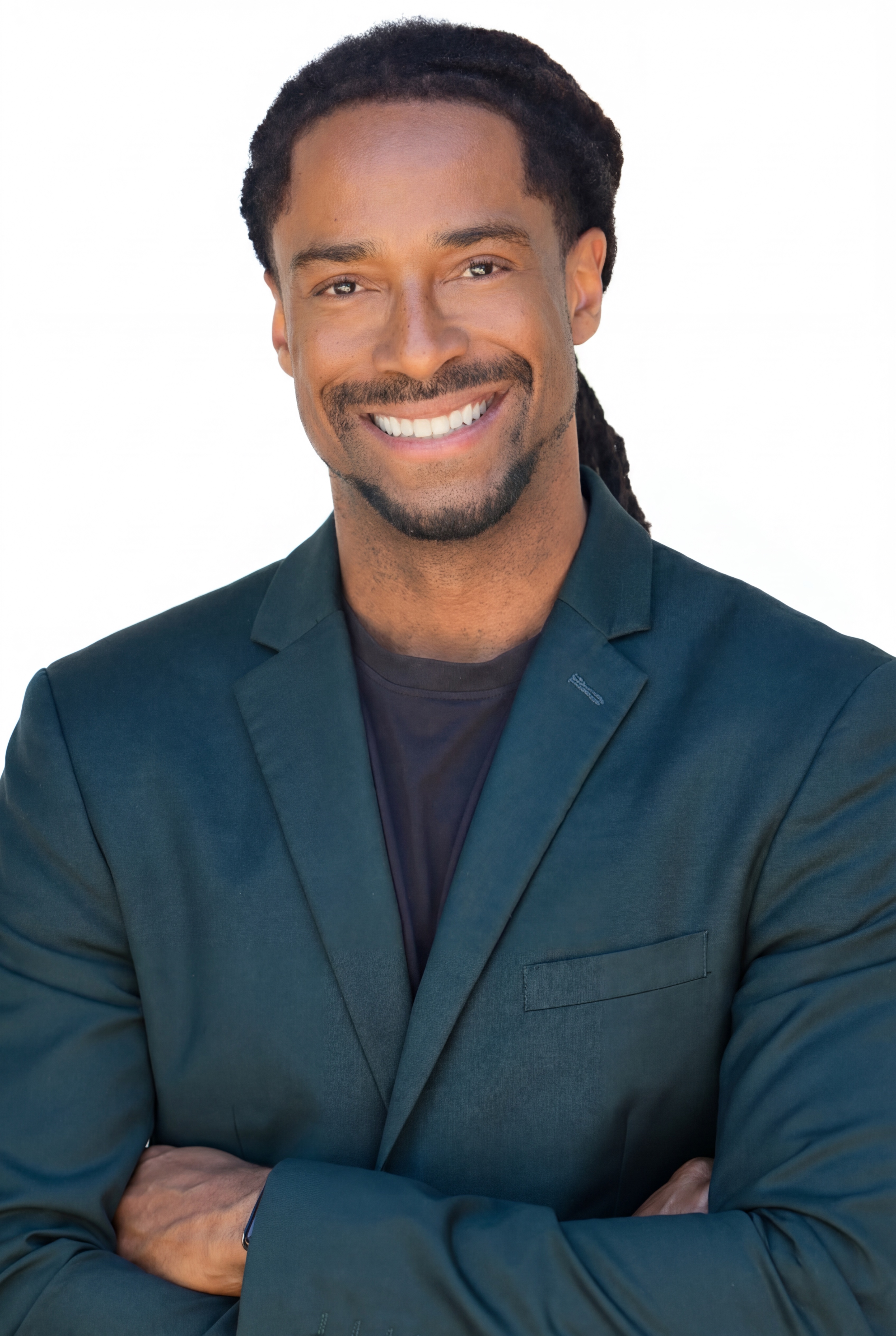
William “DJ Will Gill” Gilbert is a professional Emcee and DJ, performing corporate awards gala emcee work at Fortune 500 scale through a three-in-one DJ, emcee, and audience engagement service model. Documented client work for AT&T Business, CDW, Virgin Galactic, NeoGenomics, Foot Locker, Home Depot, Hilton, BGCA, PepsiCo, PayPal, and the United Nations. Also a Forbes Next 1000 honoree with broadcast credits including Super Bowl LIV (2020), The Voice (2011), and MTV’s The Real World: Hollywood (2008). He is also a World Cup performer and a Formula 1 Las Vegas Grand Prix performer. 2,520+ five-star Google reviews across 600+ documented corporate events.
2,520+ Google Reviews · IMDB · Mixcloud · Instagram · Contact
Frequently Asked Questions
What does an emcee do at a corporate awards gala?
Produces the recognition moment: manages the run-of-show pacing, modulates the room's energy, bridges executive remarks and awards, handles music and audio cues, and absorbs the variations that happen live.
How much of an event budget goes to entertainment in 2026?
The guide cites industry data putting entertainment at 20 to 30 percent of total event spend, up from a 15 to 20 percent range in prior years.
Why does entertainment matter at an awards gala?
Because atmosphere is a primary satisfaction driver and engagement is the primary event KPI; the entertainment either amplifies the recognition message or undermines it.
What should I look for when choosing a gala emcee?
Corporate-specific experience and awards-format experience, so the emcee has run a recognition arc before rather than only announced names.
Is an awards gala emcee just an announcer?
No. The guide's line is that the emcee is not a polite announcer reading names from cards but the producer of the recognition moment.