
Top Tips for Mastering Corporate Music Curation in 2026
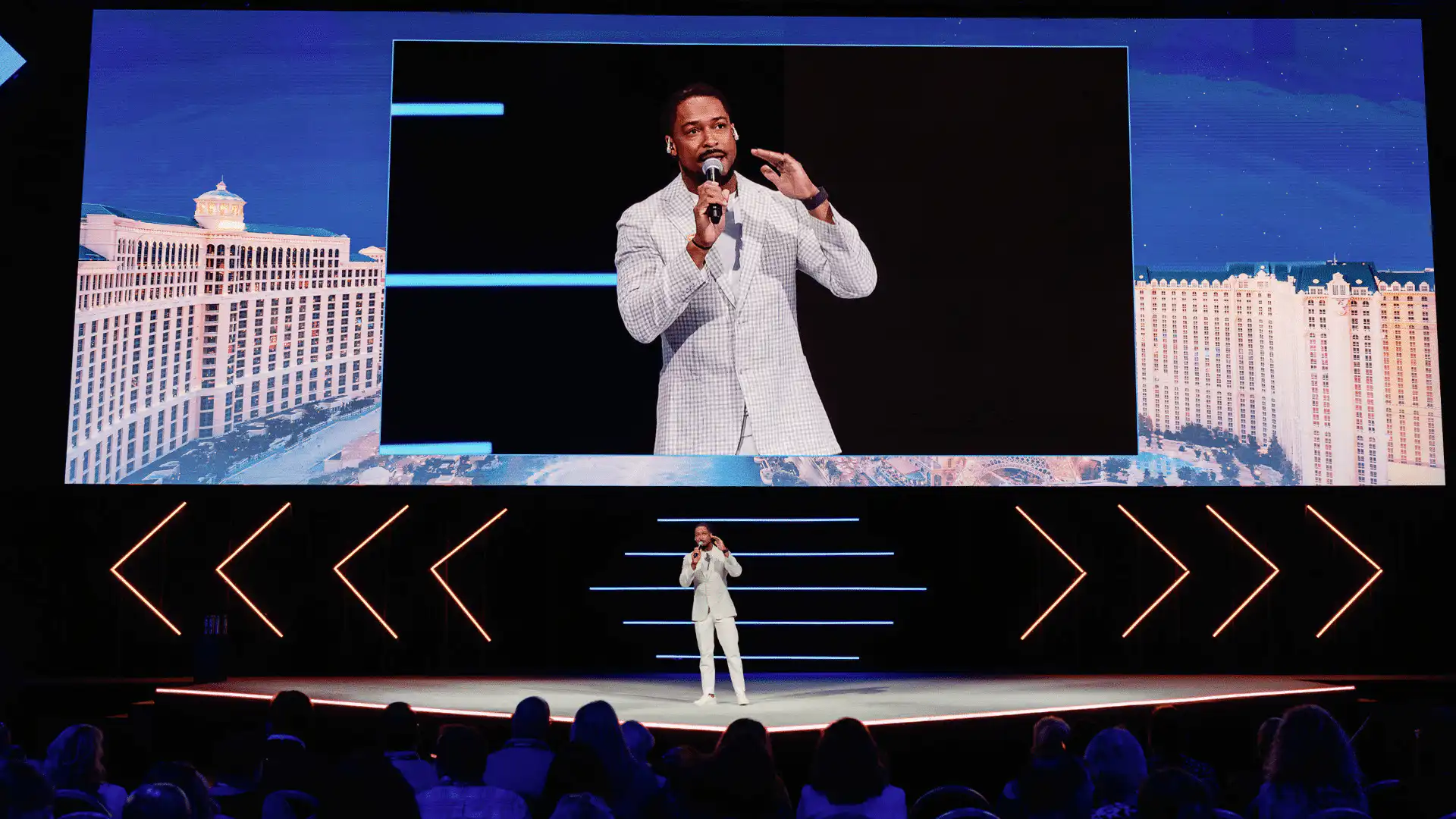
Corporate music curation is a discipline distinct from consumer DJ work or wedding entertainment. The constraints are different multi-generational workforces, brand sensitivities, executive presence, internal versus external audiences, regulated industry considerations, and post-event ROI scrutiny. The competencies are different, too. The corporate-tier curator runs an audience brief before the engagement, builds energy-mapped sub-playlists keyed to the program timeline, anticipates run-of-show drift, and operates at a fidelity standard that holds up through a 10,000-watt ballroom PA. This guide rebuilds the corporate music curation playbook with documented 2026 corporate event industry data, sonic branding research, and the operational discipline framework that separates Fortune 500 entertainment vendors from generalist mobile DJ services.
For the planner-side companion piece, see event music curation hacks every planner should know. For the corporate-event execution, Will Gill operates at scale, see his Instagram clips with AT&T Business, Team USA, Virgin Galactic, CDW, and other Fortune 500 clients. 2,520+ five-star Google reviews document the operational discipline below.
Key Takeaways
→ Atmosphere now sits at the top of corporate-event satisfaction metrics. 2024 industry research documented 82% of corporate attendees citing atmosphere as the primary factor in overall event satisfaction, with 89% of event planners agreeing that live performance is the most effective way to drive emotional brand connection. Music curation is the largest single lever shaping that atmosphere, which means it sits closer to the planner’s most-tracked KPI than most curators realize.
→ Sonic anonymity is the default; intentional curation is the differentiator. A 2026 amp report documented 61.9% of brands relying on stock music creating what industry analysts now call “sonic anonymity” while 75% of Gen Z consumers report stronger emotional ties to brands that employ purposeful music. The corporate event is one of the few moments when a brand can deliver a curated sonic identity at scale. The DJ who treats it as background filler misses the strategic opportunity entirely.
→ Multi-generational workforce calibration is non-optional in 2026. Corporate events now routinely host attendees ranging from Baby Boomer executives to Gen Z early-career professionals, a 50+ year demographic spread with substantially different nostalgic anchors, contemporary chart reference points, and tolerance for unfamiliar material. The corporate-tier curator builds a playlist that meaningfully engages all five generations present in the room rather than optimizing for a single demographic center of gravity.
→ Production budgets are rising, which raises the execution bar. 2026 industry analysis documents 88% of event professionals expecting budget increases in 2026, with 64% of attendees ranking immersive experiences as the primary driver of overall satisfaction. The corporate music curator gets evaluated more rigorously now than three years ago, which means operational discipline (energy mapping, rehearsal, library curation, audio fidelity) carries higher commercial weight than artistic preference.
→ Nostalgia is empirically the strongest lever for dance behavior. Sidhu, Urian, Zheng, and Grahn’s May 2025 PLOS One study found nostalgic music significantly outperformed familiar music for dance behavior, with only nostalgia predicting dance ratings among the variables tested. For corporate audiences in particular where attendees are often risk-averse, professionally constrained, and unwilling to dance without comfort the nostalgia anchor matters even more than at consumer events.
Watch DJ Will Gill executing corporate-tier music curation at scale across Fortune 500 events. For corporate curation consultation, contact DJ Will Gill directly.
Tip 1: Know Your Audience and Event Goal (At Five-Variable Depth)
The corporate audience brief. Before any track gets added to the working playlist, the corporate-tier curator documents five audience variables: demographic distribution (generations represented and approximate percentages), industry vertical, internal-versus-external composition, geographic origins, and event purpose. These variables drive everything downstream. A 500-person event with a 25-year demographic span needs a different curation strategy than a 500-person event with a 50-year span. A tech company’s internal kickoff needs a different curation strategy than the same company’s external client event.
Multi-Generational Workforce Calibration
The five-generation reality. A 2026 corporate event routinely hosts five generations in the same room: Baby Boomers, Generation X, Millennials, Generation Z, and emerging Generation Alpha early-career professionals. Each generation has substantially different nostalgia anchors, contemporary chart literacy, and tolerance for unfamiliar material. The Boomer executive’s nostalgic peak is 1965-1975. The Gen X mid-career manager is 1985-1995. The Millennial professional is 2000-2012. The Gen Z early-career attendees are 2015-2022. The curator who programs around one of these anchors and ignores the others does the majority of the room.
The rotation discipline. The working corporate-tier approach is generational rotation across the dance window cycle through nostalgic anchors from each major generation in sequence, with contemporary chart connectors between them. The Boomer-era Stevie Wonder track flows into a Gen X Hall & Oates anchor, which flows into a 2000s Pop sing-along, which flows into a current chart hit. This rotation pattern reaches each generation’s nostalgic engagement zone at predictable intervals across the night.
Industry Vertical Considerations
The industry-context calibration. Different industries have different musical centers of gravity and different tolerances for risk in song selection. Tech companies tend to skew younger and more open to current chart material and electronic genres. Manufacturing and industrial-sector companies often skew older with stronger classic rock and country preferences. Financial services events maintain a higher professional formality during program windows. Healthcare events often have stricter lyrical content standards. The curator who walks into each industry vertical with the same template misses what makes each room distinct.
Internal Versus External Event Distinction
The audience-composition distinction. Internal events (sales kickoffs, all-hands meetings, holiday parties, employee recognition) host an audience that already knows the company and each other. The curator can program for shared inside-joke nostalgia, company-specific anthems, and tighter peer-group demographic targeting. External events (client conferences, industry summits, prospect gatherings, awards ceremonies) host a broader audience where the curator must serve to the lowest common denominator of shared cultural reference points while maintaining brand alignment.
Defining the Vibe With Corporate ROI in Mind
The strategic-objective alignment. Every corporate event has a primary strategic objective: celebration, motivation, recognition, networking, training, brand reinforcement, and prospect conversion. The music curation should support that objective. 2026 corporate event KPI analysis documents attendee satisfaction as “often considered the single most important KPI in determining event success” and the music curation directly shapes the satisfaction score the planner reports to senior stakeholders.
Tip 2: Build a Playlist With Purpose (Energy-Mapped to the Program)
The program-mapped playlist. Corporate events run on tight program schedules with named windows for arrival, dinner, program, dance, and departure. The curator’s playlist should map directly to those windows with deliberate energy curves for each. A flat one-energy-level playlist underperforms regardless of song quality; an energy-mapped multi-window playlist that hits the right intensity at the right moment outperforms even superior song selections programmed without structural discipline.
Welcome and Arrival Music
Energy level 3/10 to 5/10. Arrival music should be familiar enough to feel welcoming without demanding attention. Light upbeat instrumentals, soft pop, indie crossover, or mid-tempo classics work well. The goal is to remove the awkward silence of an empty room while attendees gather, find tables, and begin networking. Volume should be conversational, meaning attendees should be able to speak at normal volume without raising their voices. The corporate-tier mistake at this window is playing music too prominently and dominating early networking conversations.
Networking and Dining
Energy level 3/10 to 4/10. During seated dinner and structured networking periods, the music sits firmly in the background. Jazz, lo-fi, acoustic singer-songwriter material, instrumental Latin, soft soul, or contemporary chill-pop work well. The fundamental rule: music should support conversation, not compete with it. The corporate-tier curator monitors the room’s volume when conversation drops significantly; the music is probably too prominent. When conversation rises noticeably, the music may need to come up slightly to give attendees a comfortable acoustic floor to talk against.
Key Moments and Transitions
Strategic punctuation. Music signals program transitions the lights go down, the entrance music begins, the executive walks to the podium, applause music plays after a major announcement, recognition music accompanies award handouts, and transition stings move between segments. The curator pre-coordinates these moments with the show caller, the AV team, and the program director so the music execution matches the planned program flow precisely. Mistimed transitions undermine the executive moments they should support; well-timed transitions amplify them.
The Main Event Dance Window
Energy level 6/10 ramping to 9/10. The dance window has its own internal energy arc. Open with familiar high-recognition tracks at 6-7 energy to populate the floor; build through 8-energy hits to capture the audience commitment; peak at 9-energy anthems when the floor is full and committed; never sustain 10-energy for more than one or two tracks before allowing a brief breath at 7-energy and rebuilding. The peak window is typically 40-60 minutes; planning for shorter or longer dance windows requires reshaping the energy arc accordingly. The Sidhu et al. 2025 PLOS One nostalgia research documents that nostalgic music significantly outperforms familiar music for dance behavior, making generational nostalgia anchors the highest-leverage selections in the peak window.
Wind-Down and Departure
Energy level dropping from 9/10 to 4/10. A controlled wind-down protects the event from the awkward “the music just stopped” moment that flattens the closing memory. The curator scales energy down through the final 15-20 minutes with familiar mid-tempo material, ending on one final memorable closing track that gives attendees a strong departure feeling. This window is often neglected. Many DJs treat the dance peak as the end of their job, but the closing minutes shape the lasting impression more than the peak does.
Tip 3: Align the Curation With the Brand (The Sonic Identity Layer)
The strategic opportunity most curators miss. A corporate event is one of the few high-attention moments in a brand’s calendar when hundreds of attendees give the company sustained, multi-hour engagement. The music played during that window is part of the brand experience, whether anyone calls it that or not. The curator who treats the playlist as background noise misses the chance to reinforce the brand’s identity through sonic alignment.
The Sonic Anonymity Problem
The default failure mode. A 2026 industry report documented 61.9% of brands relying on stock music, creating what analysts now call “sonic anonymity” a landscape where most corporate audio experiences sound interchangeable across competitors. The same report found that 75% of Gen Z consumers report stronger emotional ties to brands employing purposeful music. The combination means corporate events using generic stock-music curation underperform on brand differentiation, precisely with the demographic that values intentional curation most.
The Cohesive Sonic Systems Trend
The 2026 sonic branding shift. Sonic branding industry analysis for 2026 documents leading brands moving beyond one-off sonic logos and campaign tracks toward cohesive sonic systems flexible musical frameworks built to iterate and scale across platforms, formats, and key brand moments. The corporate event is one of those key moments. The curator who can deliver music that fits within the brand’s broader sonic system, matching the genre vocabulary of the brand’s commercials, the tempo of their digital experiences, and the emotional register of their executive communications delivers strategic value beyond mere entertainment.
Music as Brand Statement
The corporate event as brand moment. A tech-forward brand should sound tech-forward, with electronic textures, contemporary chart material, and emerging artist exposure. A heritage-rich brand should sound heritage-rich catalog soul, classic R&B, and considered genre depth. A luxury brand should sound deliberate, sparse, and intentionally curated. The curator who matches the music vocabulary to the brand identity adds strategic value that the planner can articulate to senior stakeholders. The curator who plays generic chart material at any corporate event signals to the room that the brand commissioned generic curation.
Tip 4: Common Mistakes to Avoid (Corporate-Specific Failure Modes)
Corporate-tier failure modes. The mistakes that ruin corporate music curation are not the same as the mistakes that ruin consumer DJ work. The corporate context introduces specific failure modes, volume miscalibration during networking, lyrical content offending executive sensibilities, generational tone-deafness, and the sonic anonymity trap discussed above.
Volume Miscalibration
The biggest single complaint in corporate event surveys. Music that overpowers conversation during networking windows generates more negative attendee feedback than any other curator behavior. Volume calibration is not a one-time setting it shifts with attendance density, conversation volume, room acoustics, and program window. The corporate-tier curator monitors and adjusts continuously through the event rather than setting one volume and walking away.
Lyrical Content Failures
The professional-context standard. Corporate events have different lyrical content standards than consumer events. Explicit language, sexual content, drug references, and politically charged material that would be unremarkable at a wedding or club become a deal-breaker at a corporate event. The corporate-tier curator uses clean versions exclusively, vets lyrics before adding tracks to event playlists, and maintains a documented Do Not Play list of artists or songs that have triggered past complaints. Many corporate clients now provide explicit Do Not Play lists during contract negotiation; the curator who ignores them risks immediate termination of the engagement.
Generational Tone-Deafness
The single-generation programming trap. The Millennial DJ who programs for Millennial peers and ignores the Boomer executives, Gen X mid-career managers, and Gen Z early-career professionals also in the room makes the same mistake the Boomer DJ makes when programming for Boomer peers and ignoring the rest. The mistake direction varies, but the failure mode is identical. Multi-generational rotation is the corporate-tier solution.
Inflexibility and Not Reading the Room
The preset-playlist-on-autopilot mistake. The curator who builds a perfect playlist in advance and refuses to deviate from it regardless of the room’s response, treats the event as a recital rather than as a service. Corporate event rooms are unpredictable moods, shift, executive presence reshapes the dynamics, weather affects attendance, and business news outside the event can elevate or depress the mood. The corporate-tier curator maintains the energy-mapped scaffold but pivots within each window based on real-time room response.
Tip 5: The Operational Discipline That Separates Corporate-Tier from Generalist
The operational standards. Corporate music curation at the Fortune 500 tier runs on documented operational standards. Pre-event audience briefs. Energy-mapped sub-playlists for each program window. 320kbps or lossless audio fidelity throughout the library. Pre-event rehearsal of every set. Real-time room monitoring and adjustment during the event. Post-event debrief documenting what worked and what didn’t for the next engagement. These standards are not creative limitations; they are the operational discipline that produces consistent execution across hundreds of events at scale.
The fidelity standard. 2026 corporate entertainment industry analysis documents Toronto venues seeing a 40% increase in production budgets for corporate events compared to 2024, driven by recognition that production quality directly correlates with attendee satisfaction. Corporate audio systems are powerful and well-calibrated; they expose every fidelity flaw in the source material. The curator who plays 128kbps MP3s through a calibrated 10,000-watt corporate ballroom PA generates audible quality complaints that register in post-event surveys. The 320kbps-minimum or lossless library is operational competence, not artistic flourish.
The rehearsal standard. Untested transitions and unproven track sequences cause visible recovery moments mid-set that attendees notice even when they cannot articulate why. The corporate-tier curator rehearses each event’s set end-to-end before the live performance, ideally on equipment matching what the venue will provide. The rehearsal discipline is what separates the working professional from the under-prepared mobile DJ.
The Corporate-Tier Execution Standard in Practice
DJ Will Gill’s positioning. Will Gill operates the corporate music curation discipline at Fortune 500 scale as the Wall Street Journal’s #1 Corporate DJ and Emcee, with documented client work for AT&T Business, CDW, Team USA, Virgin Galactic, NeoGenomics, Foot Locker, Home Depot, Hilton, BGCA, PepsiCo, PayPal, and the United Nations. Forbes Next 1000 honoree with broadcast credits including Super Bowl LIV (2020), The Voice (2011), MTV’s The Real World: Hollywood (2008), the Kelly Clarkson Show, and F1 Las Vegas Grand Prix. 2,520+ five-star Google reviews accumulated across 600+ corporate events.
The operational engagement model. The 3-in-1 service model (DJ + Emcee + Audience Engagement / Game Show) addresses the corporate-event need that pure music curation alone cannot fill the “dead air zones” in corporate run-of-show timelines with energy-rebuilding mini-performances that re-engage attention rather than letting it dissipate. 2024 Gallup workplace engagement data documenting just 21% of employees globally as engaged at work establishes the baseline disengagement state that the corporate event is paying to disrupt. The corporate music curator’s job is to disrupt that baseline systematically across every program window not just during the dance peak.
About the Author
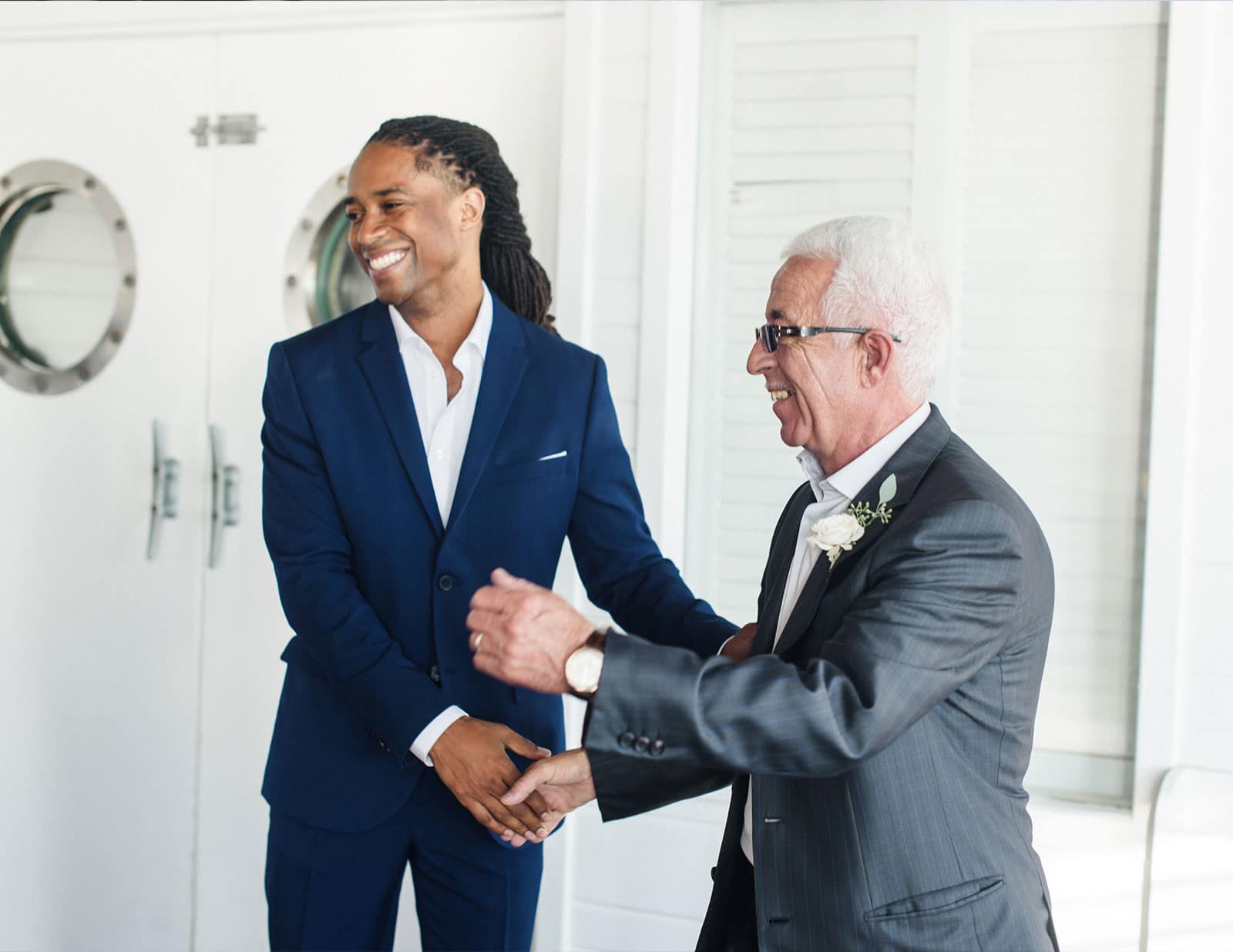
William “DJ Will Gill” Gilbert is the Wall Street Journal’s #1 Corporate DJ and Emcee, operating corporate music curation at Fortune 500 scale with documented client work for AT&T Business, CDW, Team USA, Virgin Galactic, NeoGenomics, Foot Locker, Home Depot, Hilton, BGCA, PepsiCo, PayPal, and the United Nations. Also a Forbes Next 1000 honoree with broadcast credits including Super Bowl LIV (2020), The Voice (2011), and MTV’s The Real World: Hollywood (2008). 2,520+ five-star Google reviews accumulated over 600+ documented corporate events.
2,520+ Google Reviews · IMDB · Mixcloud · Instagram · Contact