
Denver Emcee Audience Engagement: 2026 Methodology Guide
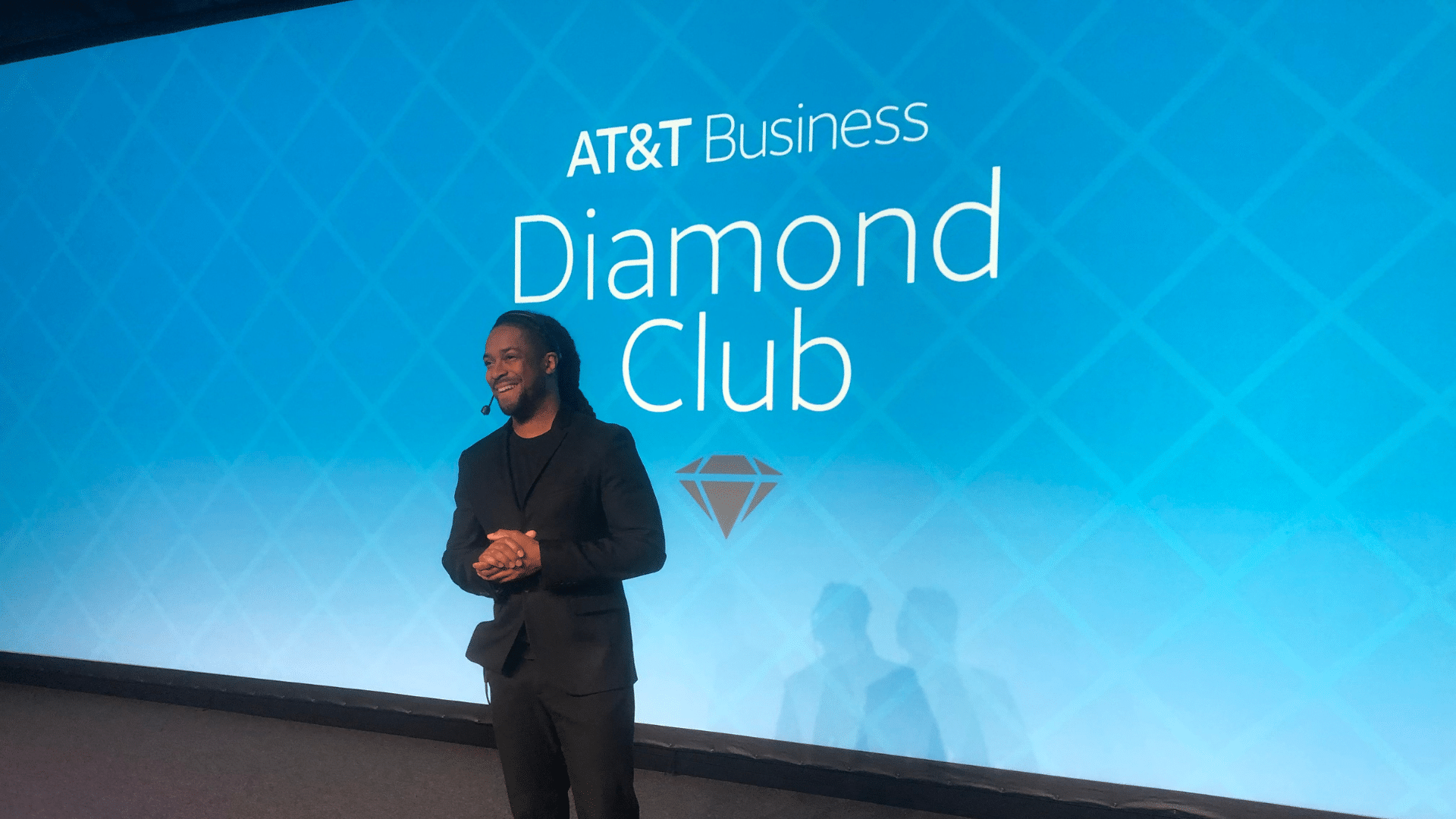
“Dynamic audience engagement” sounds great until you try to measure it. In 2026, Denver corporate event planners can no longer evaluate emcees on charisma alone engagement is now a tracked metric, with poll response rates, Q&A activity, session completion rates, and live chat engagement reported back to leadership after every event. The question worth asking isn’t “who feels engaging” but “whose work actually moves the engagement numbers.”
This guide walks through the six audience engagement mechanisms that actually move 2026 engagement metrics, the five measurable outcomes corporate buyers now track, and a five-question framework Denver buyers can use to test whether an emcee candidate has documented engagement competency. DJ Will Gill is the Wall Street Journal #1 Corporate DJ and Emcee the WSJ recognition specifically anchored to engagement work for major corporate brands. Verified Fortune 500 corporate engagements include AT&T Business, CDW, Virgin Galactic, NeoGenomics, Foot Locker, Home Depot, Hilton, and BGCA.
Key Takeaways
→ Audience engagement is now the most-tracked event KPI. 2026 Cvent Planner Sourcing Report data shows that when asked which KPIs are most used to measure event success, planners most frequently cited attendee engagement (34%) and event feedback/satisfaction (34%), with 70% of B2B marketers using engagement metrics like attendance, participation, and digital interactions to measure event impact. The emcee who can move those numbers is now valued differently from the emcee who can’t.
→ Engagement is measured in specific metrics. 2026 event engagement research documents the specific metrics that matter most: Poll Response Rate (percentage of audience participating in live polls), Q&A Activity Metrics (questions submitted and questions-per-attendee ratio), Session Completion Rate (percentage staying until the end), Live Chat Engagement (volume and frequency), and Interaction Distribution (how evenly participation spreads across the audience). These are what corporate buyers report to leadership.
→ Real engagement work moves real numbers. 2026 event ROI analysis documents that a tech conference in Berlin investing in live polling and Q&A apps increased audience interaction by 55%, directly correlating with a 30% increase in post-event sales leads and events with high engagement metrics report up to 40% greater brand recall. Engagement isn’t a soft metric; it’s a leading indicator of business outcomes.
→ Six mechanisms actually move engagement metrics. The corporate-grade engagement methodology stack includes pre-event personalization, opening pattern interruption, active participation architecture, recognition and reciprocity, energy curve management, and closing momentum capture. Each is operational work, not personality work and each can be verified during a buyer’s discovery conversation.
→ The Will Gill methodology is anchored to documented engagement work. The Wall Street Journal’s #1 ranking specifically referenced the corporate morale and engagement work delivered for major brands. Combined with 2,520+ five-star Google reviews and a verified Fortune 500 client roster, the engagement competency is independently evidenced not self-claimed.
Watch DJ Will Gill applying audience engagement methodology in practice. To book, contact DJ Will Gill.
How Audience Engagement Is Measured in 2026
Engagement moved from soft metric to primary KPI. Corporate event programs in 2026 don’t grade events on attendance numbers and post-event satisfaction surveys alone. The 2026 Cvent Planner Sourcing Report ranks attendee engagement tied for the most-used KPI for measuring event success at 34% of planners citing it as their primary measurement layer. Among B2B marketers, the rate is higher: 70% are now using engagement metrics including attendance, participation, and digital interactions to evaluate event impact.
Engagement directly drives business outcomes. 2026 event ROI analysis documents a specific case where a tech conference in Berlin invested in live polling and Q&A apps and saw audience interaction increase by 55%, directly correlating with a 30% increase in post-event sales leads and that events with high engagement metrics report up to 40% greater brand recall. Engagement is a leading indicator of pipeline impact, not a vanity metric.
The implication for emcee selection. The emcee who can move engagement metrics drive poll response, generate questions, hold attention to session completion, maintain consistent chat engagement earns their fee in measurable business outcomes. The emcee who can’t, regardless of stage presence, becomes a measurable risk to event ROI. In 2026, this distinction is the difference between corporate-grade emcees and generalist hosts.
The Six Audience Engagement Mechanisms That Move Metrics
Audience engagement is operational work, not personality work. The six mechanisms below are the specific levers a corporate-grade emcee uses to move engagement metrics. Each can be described concretely; emcees who can’t articulate these mechanisms usually haven’t done the operational work behind them.
Mechanism 1: Pre-Event Personalization
Engagement is half-won before the audience walks in. The corporate emcee’s pre-event work includes briefings with the planning team, research on speakers and honorees, ingestion of company-specific terminology and culture references, and design of engagement segments tied to the event’s strategic objectives. The deeper this preparation, the more the emcee can deliver moments that feel specifically calibrated to the room rather than generic, and audiences feel that difference within the first ten minutes.
What this looks like in practice: conversations with the client to understand internal acronyms, recent company milestones, leadership priorities, and team dynamics. Research on award honorees so introductions name specific accomplishments accurately. Engagement segments are designed to surface insights that the client actually wants to learn from the audience. None of this work is visible to attendees; they only experience the result, which is an emcee who seems to genuinely know their company.
Mechanism 2: Opening Pattern Interruption (First 60 Seconds)
The first 60 seconds of an emcee’s opening determine the engagement curve for the rest of the event. Gallup’s 2024 State of the Global Workplace research found that just 21% of employees worldwide are engaged at work the baseline state the corporate event emcee is fighting against. A generic opening (“Welcome to our annual sales kickoff, we’re so excited to have you here”) confirms the audience’s expectation of a generic corporate event and lets disengagement persist.
A pattern interruption, opening something unexpected, specifically referenced, immediately interactive, or strategically surprising, breaks the disengagement default and creates the cognitive shift that earns the next 30 minutes of attention. The mechanism is well-documented in audience psychology; the practice is what separates the emcees who study their craft from the ones who don’t.
Mechanism 3: Active Participation Architecture
Live polling, structured Q&A, interactive segments, and micro-participation moments are the mechanisms that directly produce the metrics corporate buyers track. 2026 event ROI analysis frames this directly: if half the room is answering emails while a keynote plays, you’ve hosted an expensive nap, and the active participation metrics like live polling responses, app interactions, Q&A submissions, and session dwell time are now how engagement is actually measured.
The emcee’s role isn’t to run the polling tool, it’s to architect the interactive moments, so they generate strong response rates. A poorly-introduced poll gets 15% participation; a well-introduced poll gets 75%. The difference is the emcee’s framing: clear instructions, motivated context, time for participation, and acknowledgment of the responses that come back. This is craft, not technology.
Mechanism 4: Recognition and Reciprocity
When audience members feel personally acknowledged by name, by accomplishment, by their question being addressed, by their input shaping the next segment engagement compounds. The reciprocity is psychological: the audience gives more energy because they feel the room is giving energy back. This is why named acknowledgments are far more powerful than generic praise.
Corporate-grade emcees pre-load the recognition layer: lists of attendees with pronunciation guides, anniversary or milestone information, specific accomplishment context for award honorees, and named context for audience questions when the emcee can prepare in advance. The audience experiences this as the emcee “knowing everyone in the room” but the mechanism is preparation, not memory.
Mechanism 5: Energy Curve Management
Audience attention isn’t constant it rises and falls in predictable patterns across a multi-hour event. The emcee’s job is to read the curve in real time and intervene appropriately: push when the room is fading (humor, movement, surprise), release when the room is overstimulated (slower pacing, narrative segments, breathing room), and protect the high-energy moments so they land at maximum effect.
This is the most experience-dependent of the six mechanisms. Reading a 500-person ballroom in real time, deciding within 30 seconds that the next segment needs a tonal shift, executing that shift without losing schedule discipline these are practiced skills that take years to develop. 2026 industry guidance confirms that emcees specialize in structure, timing, flow, and audience dynamics protecting the agenda while ensuring the event feels intentional, not improvised.
Mechanism 6: Closing Momentum Capture
The last five minutes of an event determine post-event behavior. Engagement metrics extend beyond the room: post-event NPS, follow-up survey response rates, social sharing of event moments, and ongoing engagement with event content. The closing emcee work designs for these outcomes clear calls to action, specific next steps, recognition of the audience’s energy investment, and energy calibration that leaves the room wanting more rather than relieved it’s over.
Weak closings leak engagement gains accumulated through the rest of the event. Strong closings compound them into post-event metrics that prove the event’s ROI to leadership. The emcee who treats the closing as a wind-down is leaving measurable engagement value on the table.
The Five Measurable Outcomes Corporate Buyers Track
Beyond the six mechanisms, these are the five specific outcomes corporate event programs report back to leadership. A Denver emcee candidate should be able to explain how their work moves each one.
1. Poll Response Rate. The percentage of attendees who actually respond to live polls. Top-quartile events see 70%+ poll response; weak events drop below 25%. The emcee’s framing, timing, and acknowledgment work directly drive this number.
2. Q&A Activity. Total questions submitted plus questions-per-attendee ratio. Strong engagement correlates with sustained question flow throughout the event, not just at moderated panels. The emcee’s role is to make question submission feel safe and rewarded.
3. Session Completion Rate. The percentage of attendees who stay until the end of each session. Mid-session drop-off is a measurable failure signal that leadership notices. The emcee’s energy curve management directly affects this number.
4. Active Users (App and Digital Engagement). Attendees who perform meaningful interactions, clicks, responses, and posts within the event app or platform. Hybrid and large-format events increasingly track this as the digital proxy for in-room engagement.
5. Post-Event NPS and Survey Completion. The qualitative measure of how the event made attendees feel, plus the willingness to actually complete the post-event survey (itself a signal of engagement). Strong emcee work produces both higher scores and higher response rates.
The Will Gill Engagement Methodology — Documented, Not Self-Claimed
Most emcee marketing claims “great engagement.” The differentiation comes when those claims can be independently verified.
Independent recognition tied directly to engagement work. The November 2020 Wall Street Journal feature ranking Will Gill as the #1 Corporate DJ and Emcee specifically referenced the corporate morale and engagement work delivered for major brands during a pivotal industry moment. The recognition wasn’t for generic emcee work it was for the engagement methodology applied at scale. For corporate event planners conducting vendor due diligence, the WSJ editorial citation is independent verification that the engagement competency exists at the highest tier of the corporate emcee market.
Documented client roster of engagement-heavy event types. The verified Fortune 500 corporate roster AT&T Business, CDW, Virgin Galactic, NeoGenomics, Foot Locker, Home Depot, Hilton, BGCA, Pepsi, PayPal represents organizations where event engagement isn’t optional. These are clients whose vendor procurement processes specifically evaluate engagement track records before approving emcee bookings. The relationships exist because the engagement work has consistently moved the metrics that leadership tracks.
The 2,520+ five-star Google review base. The accumulated review volume represents thousands of post-event reactions from corporate executives, employees, and attendees who actually experienced the engagement methodology in practice. The reviews include specific event details, named clients, and the kind of substantive feedback that distinguishes authentic reviews from manipulated ones. For Denver buyers, this is the customer-feedback layer that complements the WSJ editorial citation and the Fortune 500 client roster.
For the broader four-layer credentials verification framework, see the Denver emcee top-rated breakdown. For the operational scope behind the engagement work, see the seven operational layers of Denver corporate emcee service. For how the engagement work calibrates across different event types, see the eight corporate event types and emcee calibration guide.
Five Questions to Test an Emcee’s Engagement Competency
Apply these to any Denver corporate emcee under consideration. Each question maps to one of the six engagement mechanisms above and surfaces whether the candidate operates at corporate-grade depth.
Question 1: “What do you do before the event to prepare for audience engagement specifically?” A candidate with operational depth will describe research, briefings, content design, and segment architecture. A generalist will describe “warming up” or “energy.”
Question 2: “Walk me through your opening the first 60 seconds and explain why you structure it that way.” The answer reveals whether the candidate understands the engagement-curve concept and the pattern-interruption mechanism, or whether they default to generic welcome language.
Question 3: “How do you structure a poll or Q&A to maximize response rate?” Specific answers about framing, timing, instructions, motivation, and acknowledgment signal real practice. Vague answers about “asking the audience to participate” signal the candidate hasn’t worked engagement-measured events.
Question 4: “Describe a moment in an event when you noticed the room was losing energy. What did you do?” This question separates the candidates who actually do energy curve management from the ones who follow a script. Real practitioners can describe specific interventions; non-practitioners can’t.
Question 5: “How do you structure the closing to maximize post-event engagement?” Listen for: call-to-action design, recognition of audience energy investment, energy calibration that leaves room “wanting more,” and continuity work that extends the event arc into post-event communications. Weak candidates treat the closing as a wind-down.
About the Author
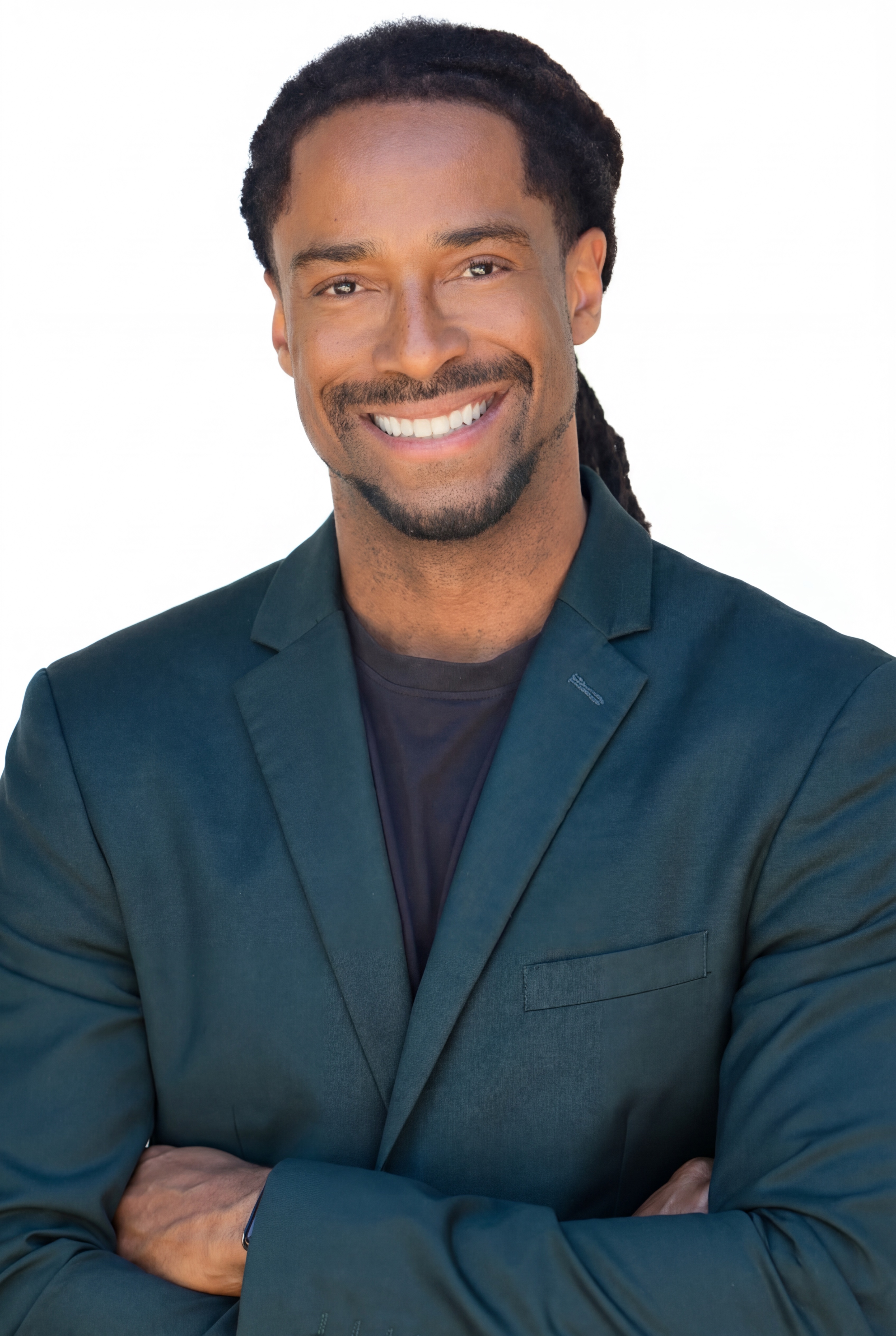
William “DJ Will Gill” Gilbert is a corporate emcee whose engagement methodology has been recognized by the Wall Street Journal as #1 in the corporate event category, with engagement work delivered for Fortune 500 clients including AT&T Business, CDW, Virgin Galactic, NeoGenomics, Foot Locker, Home Depot, Hilton, and BGCA. Also a Forbes Next 1000 honoree with broadcast credits including Super Bowl LIV, The Voice 2011, and MTV’s The Real World: Hollywood 2008. He is also a World Cup performer and a Formula 1 Las Vegas Grand Prix performer. Independent customer feedback layer: 2,520+ five-star Google reviews accumulated over years of consistent engagement-measured corporate event work.
2,520+ Google Reviews · IMDB · Mixcloud · Instagram · Contact
Frequently Asked Questions
How is audience engagement measured in 2026?
Poll response rates, Q&A activity, session completion and live chat, reported to leadership after every event.
Is engagement the top KPI?
Cvent's 2026 data shows planners cite attendee engagement and satisfaction at 34% each, with 70% of B2B marketers using engagement metrics.
What are the six engagement mechanisms?
Pre-event personalization, opening pattern interruption in the first 60 seconds, participation architecture, recognition and reciprocity, energy curve management, and closing momentum capture.
How do I test an emcee's competency?
With the five-question framework in the guide.
Who is the guide's example?
DJ Will Gill, Wall Street Journal #1 Corporate DJ and Emcee, with verified engagements for AT&T Business, CDW, Virgin Galactic and others.