
The Rise of Music Playlist Curators in the Streaming Era (2026 Guide)
Streaming changed the music economy more profoundly than any technology since recorded sound itself. Spotify alone now reports 713 million monthly active users and 281 million Premium subscribers as of Q3 2025, with comparable scale at Apple Music, YouTube Music, Amazon Music, and Tidal. The catalog problem changed shape with the technology: where a 2005 listener picked from the 200 CDs they owned, a 2026 listener has access to roughly 100 million tracks. The constraint shifted from “can I find the music I want?” to “how do I navigate this infinite library?” That shift created the modern profession of the music playlist curator.
This article covers who playlist curators are (the three-system ecosystem of editorial teams, independent curators, and algorithmic engines), how they emerged as cultural gatekeepers in the streaming era, named examples whose work has shaped how millions discover music, and why their work matters including for the corporate event space, where curatorial expertise translates directly into measurable event outcomes. For the future-facing companion to this piece on how AI is reshaping curator work, see the AI and music curator jobs guide; for career-economics, see how much playlist curators make. DJ Will Gill brings professional music curation to corporate events with 2,520+ five-star reviews.
Join the rise. Start curating today.
Introducing TheAIDJ.com
Curation is the streaming-era skill. Tell AIDJ a theme, watch it build a flowing set, preview it, and export to Spotify. The easiest way to start curating now.
Key Takeaways
→ The streaming era’s scale creates the curator’s job. Spotify’s Q3 2025 SEC filing shows 713 million monthly active users and 281 million Premium subscribers, reflecting growth across all regions. With roughly 100 million tracks available across major platforms, listeners need help navigating and that’s exactly where curators function as cultural infrastructure.
→ The Spotify ecosystem is actually three curation systems running in parallel. According to industry analysis, by 2025 Spotify contained over 8 billion user-created playlists compared with roughly 3,000 official editorial playlists yet the editorial playlists drive a disproportionate share of discovery. The third system, algorithmic surfaces like Discover Weekly, operate on top of the curated foundations.
→ The hybrid model wins on engagement. Spotify’s “algotorial” approach where human curators build the track pool and algorithms personalize the ordering improves retention by 20% to 30% compared with purely human-curated lists, and can amplify high-performing tracks by up to 5x as they spread into algorithmic surfaces. Curation isn’t disappearing; it’s becoming the editorial layer that personalization runs on top of.
→ Platforms are doubling down on human curators in 2025, not replacing them. Sulinna Ong, a Spotify editorial leader, told Billboard in April 2025 that the editorial side is becoming even more critical and that they are “doubling down as human music editors in music discovery and trend forecasting”. The editorial work is described as combining storytelling (why something matters culturally) with curation (which specific songs and artists fit).
→ Named curators have defined the era. Tuma Basa, who created Spotify’s RapCaviar playlist that grew to over 9 million followers (a top-5 Spotify playlist globally), exemplifies the curator-as-cultural-architect role. After joining YouTube in 2018 and serving most recently as Director of Black Music & Culture, Basa departed YouTube in April 2026 after eight years. His career arc BET → MTV → REVOLT → Spotify → YouTube maps the rise of the curator profession itself.
Who Are Music Playlist Curators? The Three-System Ecosystem
“Playlist curator” is a single label that covers three structurally different roles. Understanding the distinction matters because the kind of curator working on Spotify’s RapCaviar is doing different work than the user who built a popular 2010s indie playlist, who is doing different work than the algorithm generating Discover Weekly. All three are part of the streaming-era curation ecosystem.
System 1: Platform Editorial Teams. These are the curators employed directly by the streaming platforms. Spotify’s editorial team operates with brand-level standards, category strategy, and internal data access that independent curators don’t see. They build flagship playlists like New Music Friday, Fresh Finds, RapCaviar, Today’s Top Hits, and hundreds of genre and mood-specific lists. Apple Music has comparable editorial teams maintaining playlists like Today’s Hits and A-List Pop. Spotify maintains roughly 3,000 official editorial playlists across the platform. These are the highest-leverage placements in music; getting onto a major editorial playlist can transform an emerging artist’s career trajectory.
System 2: Independent Curators. These are individuals or small organizations who build playlists on streaming platforms without being employed by the platform. Some have substantial followings, independent curators with 100,000+ followers exert real influence in their niches. The independent curator economy includes everyone from professional taste-makers running niche playlists for specific subcultures (lo-fi hip-hop, deep house, indie folk) to influencers who built playlists around personality brands. Spotify alone contained over 8 billion user-created playlists by 2025, the vast majority of which have minimal listenership but the top tier of independent curators have built durable audiences.
System 3: Algorithmic Curators. These aren’t human curators at all, but they perform the curation function at scale. Discover Weekly, Daily Mix, Release Radar, and similar features generate personalized playlists for each listener based on their listening behavior. The algorithms are trained on what humans have listened to, what they’ve skipped, what they’ve saved including, importantly, the patterns generated by editorial and independent playlists. The algorithmic layer is downstream of the human curation layer, even when it doesn’t look that way to listeners.
The hybrid: “algotorial” curation. The interesting recent development is the blending of System 1 and System 3. Spotify’s own engineering team describes algotorial playlists as a hybrid system where curators build a pool of tracks and algorithms rank those tracks for individual listeners, with the company stating this approach improves retention by 20% to 30% compared with purely human-curated lists. The implication: the future isn’t human vs. machine curation; it’s editorial teams setting the taste frame and algorithms personalizing the delivery.
Why Playlist Curators Are Essential in the Streaming Era
The case for the curator profession comes down to scale and attention. Both have changed beyond recognition in the streaming era, and the human capacity to process choice has not.
The scale problem. Major platforms now host catalogs in the range of 100 million tracks, with tens of thousands of new uploads daily. Spotify’s Q3 2025 SEC filing confirms 713 million monthly active users globally, with 281 million paying Premium subscribers each of whom faces the same fundamental discovery problem. A listener can hear at most a few thousand tracks per year if they’re actively engaged. The catalog they could choose from outnumbers what they could ever listen to by roughly four orders of magnitude. That asymmetry is the structural reason curation matters.
The attention problem. Faced with an infinite catalog, listeners default to what’s familiar. Without external direction, even people who consider themselves music fans tend to recycle the same 50-200 tracks. The curator’s job, whether platform editorial, independent, or algorithmic, is to push past that familiarity ceiling. A good editorial playlist gets a listener to engage with 15-20 tracks they wouldn’t have found on their own. A good algorithmic feed builds on each engagement to recommend the next layer of related work.
The cultural taste-making function. Beyond discovery for individual listeners, editorial playlists function as cultural taste-makers at scale. A Spotify editorial leader described the editorial role as combining storytelling (why something matters culturally) with curation (which specific songs and artists fit). When RapCaviar features a new artist, that artist often experiences a streaming spike of 5-10x within hours. The placement is doing taste-making work, not just discovery work.
The platform competition angle. Streaming services compete largely on catalog completeness (where they’re now nearly identical) and curation quality (where they meaningfully differ). Apple Music’s editorial voice differs from Spotify’s, which differs from Amazon Music’s, which differs from Tidal’s. Power users choose platforms partly based on which editorial team’s taste aligns with theirs. The curator’s work is, in this sense, part of the platform’s competitive moat, which is why the platforms are “doubling down as human music editors” rather than replacing them with pure algorithms.
Helping Listeners Discover New Music: How Curation Actually Works
The discovery mechanism inside curated playlists has three main moves. Understanding them clarifies why curated discovery often outperforms pure algorithmic recommendation, especially for sound and artist diversity.
Move 1: Anchoring around recognition. A good editorial playlist opens with 1-2 tracks the target listener probably knows, anchor tracks that signal “you’re in the right place” and create comfortable engagement. RapCaviar typically opens with current hip-hop hits that the audience already follows. Apple Music’s Today’s Hits anchors with the pop tracks dominating the broader cultural conversation. This is the on-ramp: it gets the listener to lean in.
Move 2: Adjacent expansion. Once the listener is engaged, the curator introduces adjacent tracks by artists or styles similar to the anchors but new to the listener. This is the discovery layer. The skill is in the proximity calibration: too close and the new tracks feel redundant; too far and listeners skip. The dos and don’ts of writing music playlists covers the construction theory; in practice, the best editorial curators have spent years calibrating this exact balance.
Move 3: Surprise placement. Periodically, a curated playlist includes a track that doesn’t follow proximity logic, an older catalog cut, a left-field artist, or a track from an adjacent genre. These surprise placements are where the editorial signature comes through. They’re also what algorithmic playlists struggle to replicate; the algorithm tends to optimize for proximity and miss the productive disjunction. A great editorial curator builds in deliberate surprise.
Why the algorithmic hybrid works. The Spotify approach combines the three-move structure (which humans do well) with personalized ordering (which algorithms do well). The curators set which tracks are eligible to appear in the playlist; the algorithm reorders for each individual listener based on their listening history. The 20-30% retention improvement Spotify reports for algotorial vs. purely human-curated playlists comes from this division of labor: the editorial team sets the cultural and quality frame; the algorithm handles the per-listener fit.
What algorithms still can’t do. Algorithms struggle with cultural context, current events, emotional arc across a playlist sequence, and the surprise placement move. An algorithm can recommend that you might enjoy a similar track to one you’ve liked; it can’t easily tell you why a particular new artist matters culturally right now, or assemble a sequence that builds emotional architecture across 40 minutes. These remain human-curator domains, even within the hybrid model.
Named Curators and Iconic Playlists: The People Behind the Machines
Some playlist curators have become genuinely famous in the music industry, recognized as cultural taste-makers, sought out for industry interviews, and named in artist credits. Their careers map the rise of the curator profession itself.
Tuma Basa, the curator-as-cultural-architect. Probably the most well-known playlist curator of the streaming era. Born in Zaire (now the Democratic Republic of Congo) and educated at the University of Iowa, Basa built his early career through four years at BET, ten years at MTV (where he created over 2,500 hours of unique music playlists), and three years as VP of Music Programming at REVOLT TV. He joined Spotify as global head of hip-hop programming, where he created the RapCaviar playlist. Under his stewardship, RapCaviar grew to over 9 million followers and expanded into live events in partnership with Live Nation. He left Spotify in early 2018 and joined YouTube, where he served most recently as Director of Black Music & Culture, departing in April 2026 after eight years. His arc BET → MTV → REVOLT → Spotify → YouTube covers the entire transition from television-era music programming to streaming-era curation.
RapCaviar the curated playlist as a cultural movement. The playlist Basa built has done more than any other to define what editorial curation looks like in the streaming era. At its peak under Basa’s curation, RapCaviar amassed nearly 9 million followers and inspired a live concert series. The playlist has been credited with breaking artists into the mainstream, codifying current hip-hop trends, and demonstrating that editorial playlists could rival traditional radio in cultural impact. Subsequent curators have continued the work, and Spotify has expanded the RapCaviar brand globally with local curators in different markets.
Sulinna Ong and the Spotify editorial leadership. Less publicly visible but structurally important. Ong, who joined Spotify in 2019 after roles at Live Nation, Sony BMG Music, and Deezer, leads editorial work and described in a 2025 Billboard interview the philosophy of combining storytelling with curation. The editorial leadership across the major platforms has shifted from being technical playlist-builders to being trend forecasters and cultural commentators, a meaningful role expansion that reflects how seriously the platforms now treat the editorial function.
Independent curator brands. Outside the platforms, independent curators have built notable audiences. Chillhop Music maintains a portfolio of jazz-inspired instrumental playlists (lo-fi hip-hop adjacent) with millions of monthly listeners. NPR’s Tiny Desk Concerts series has spawned associated curated playlists that reflect the franchise’s intimate, conversational aesthetic. Smaller specialty curators on YouTube, Mixcloud, and SoundCloud have built loyal subcultural followings around specific genres or moods.
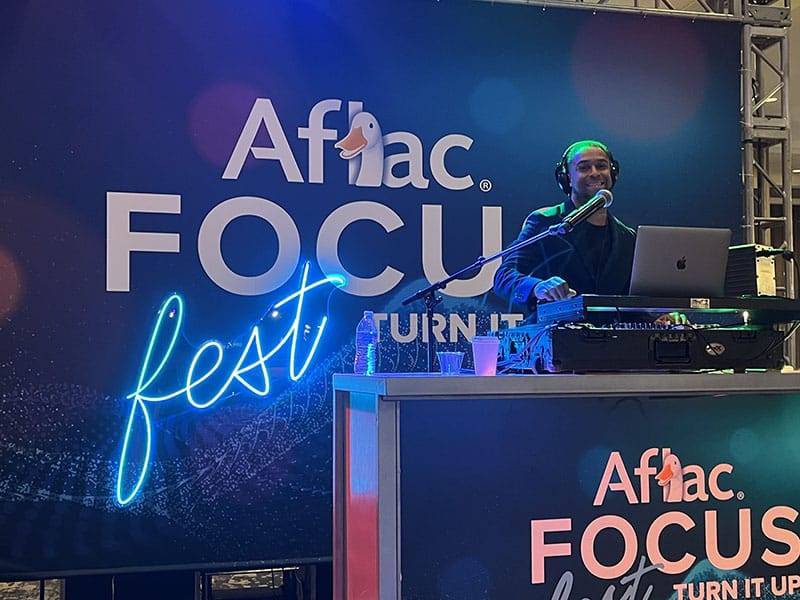
Live curators: the DJ/curator role. The streaming era hasn’t replaced the live curator the DJ at the event, club, or wedding who reads the room and selects tracks in real time. If anything, it’s increased the value of that work, because the editorial curator behind a Spotify playlist isn’t there in the room to adjust. For corporate events specifically, the curator-as-live-DJ remains essential. The professional music curation service article covers the case for hiring a live curator for corporate events.
The Growing Influence of Playlist Curators And Why It Matters Beyond Streaming
The streaming-era curator profession has implications well beyond the platforms themselves. The same principles that make editorial curation work for 281 million Spotify subscribers also apply to environments where music functions in narrower contexts, including corporate events, retail environments, hospitality, and broadcast media.
The economic shift. Curators are now central to the music industry’s economic structure. Editorial playlist placements drive streams; streams drive royalties; royalties shape what artists can afford to make. YouTube alone paid out over $8 billion to the music industry between July 2024 and June 2025, with curators and editorial teams influencing how that money flows. The curator is not a peripheral role; it’s a structural one in the modern music economy. For career details, how much playlist curators make covers the economics.
Why this matters for corporate events. The same principles that make editorial curation effective at scale, audience analysis, anchor-and-expand discovery, emotional arc across a sequence, and real-time crowd reading apply directly to corporate events. A professional event DJ is, in this sense, the live equivalent of an editorial curator. The Spotify editorial team builds the cultural frame for a national listener audience; the event curator builds it for a specific room at a specific moment. The skills overlap substantially. The event music curation hacks guide covers the planner-side operational workflow for working with this kind of curator.
What the curator profession looks like going forward. The platforms are continuing to invest in editorial teams while the algorithmic hybrid expands. Independent curators are professionalizing by building businesses around their playlists, monetizing through sponsorships and pitching services. The career boundary between “editorial curator” and “live curator” is becoming more porous, with established curators moving between platform editorial roles and live DJ/programming work. For how AI is affecting the profession, see the AI and music curator jobs guide.
The taste-maker function continues. Throughout the history of recorded music, there has always been a taste-maker layer between the artists and the audience, radio DJs, MTV programmers, magazine critics, college radio, then bloggers and influencers, now playlist curators. The technology has changed; the function has remained. Whoever sits in the taste-maker seat has cultural influence disproportionate to their numerical count. In the streaming era, that seat is occupied by the editorial teams at the major platforms, the top tier of independent curators, and the live DJs and curators who shape what music functions in specific contexts.
Why Smart Curation Still Wins in a Tech-Driven World
The streaming era’s central paradox: more music has been more widely accessible than at any point in history, yet listeners often feel more overwhelmed than freed by the abundance. The playlist curator profession exists to resolve this paradox. Even Spotify’s own editorial leadership describes themselves as doubling down on human music editors in 2025, not because human curation is inefficient relative to algorithmic alternatives, but because it’s structurally different work that algorithms haven’t been able to replicate.
For listeners, the practical takeaway is that curated playlists are still the best way to navigate the streaming-era catalog. For artists, the editorial layer remains a critical pathway to the audience. For platforms, the editorial team is a competitive moat. And for corporate event planners thinking about music selection, the same principles that govern Spotify’s editorial work also govern the live event work that brings a room together. The streaming era didn’t replace the curator; it elevated the role into one of the music industry’s central professions
About the Author
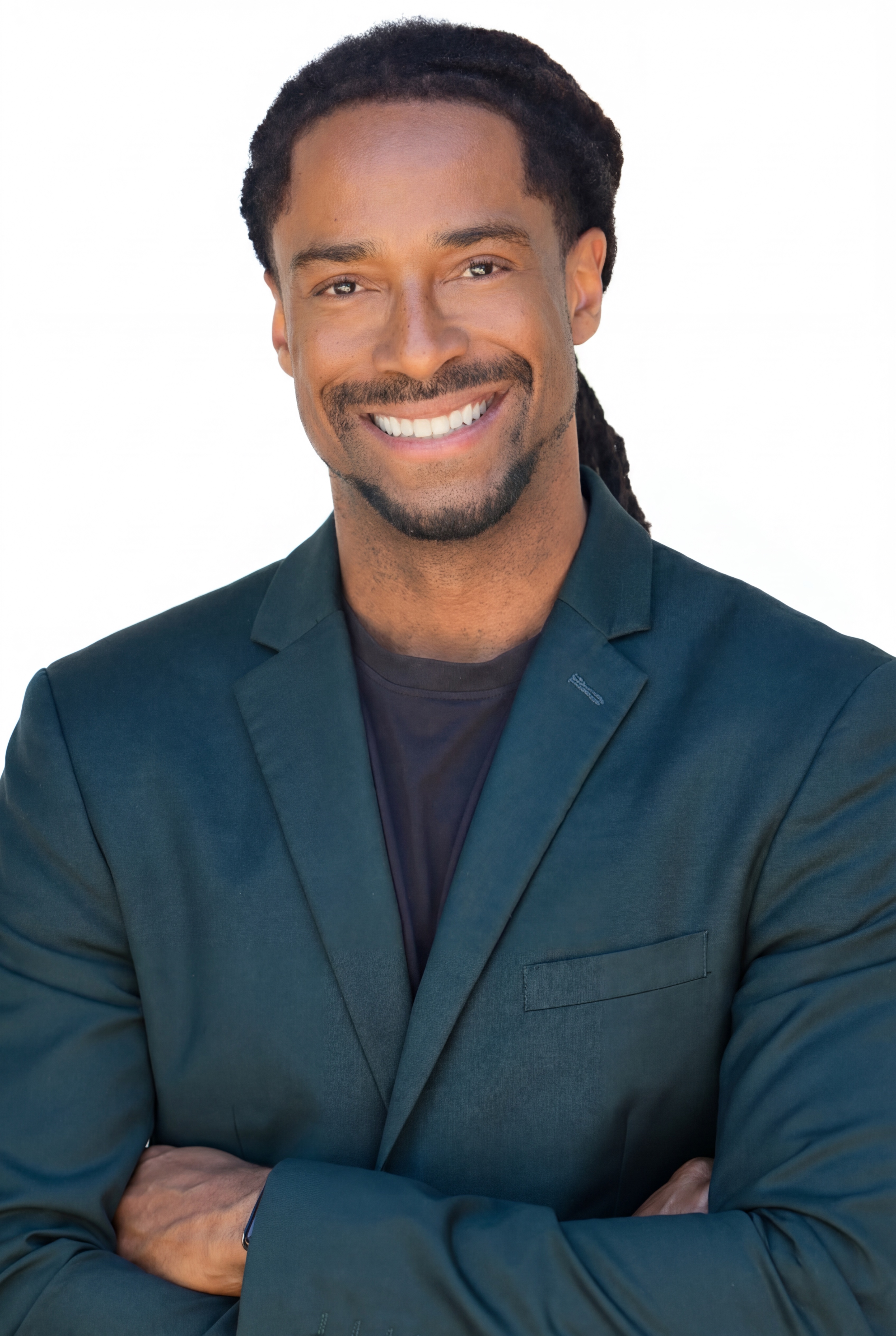
William “DJ Will Gill” Gilbert is a professional corporate event DJ and emcee whose 600+ events apply the same curation principles described in this article to live corporate event environments for AT&T Business, CDW, Virgin Galactic, NeoGenomics, Foot Locker, Home Depot, BGCA, and other Fortune 500 organizations. The live music curator role described here is the work Will does at every event: audience analysis, anchor-and-expand discovery, emotional arc across a sequence, and real-time crowd reading. Will is recognized as the Wall Street Journal’s #1 Corporate DJ, a Forbes Next 1000 honoree, and has 2,520+ five-star reviews. Broadcast credits include Super Bowl LIV and The Voice 2011. He is also a World Cup performer and a Formula 1 Las Vegas Grand Prix performer.
Frequently Asked Questions
Why did playlist curators become important?
Scale. Spotify reported 713 million monthly active users and 281 million Premium subscribers as of Q3 2025, and listeners face roughly 100 million tracks, so the job shifted from finding music to navigating an infinite library.
Who are music playlist curators?
The guide describes a three-system ecosystem: editorial teams at the platforms, independent curators, and algorithmic engines.
How does curation help listeners discover music?
By filtering the catalog through human judgment and context, then sequencing tracks so a playlist tells a story rather than a random list.
Are there famous curators?
Yes. The guide names curators and iconic playlists whose work has shaped how millions discover music.
Why does this matter for corporate events?
Because curatorial expertise translates directly into measurable event outcomes, which is the skill DJ Will Gill brings to corporate rooms.