
How Corporate Magicians Boost Engagement at Events (2026 Mechanics Guide)
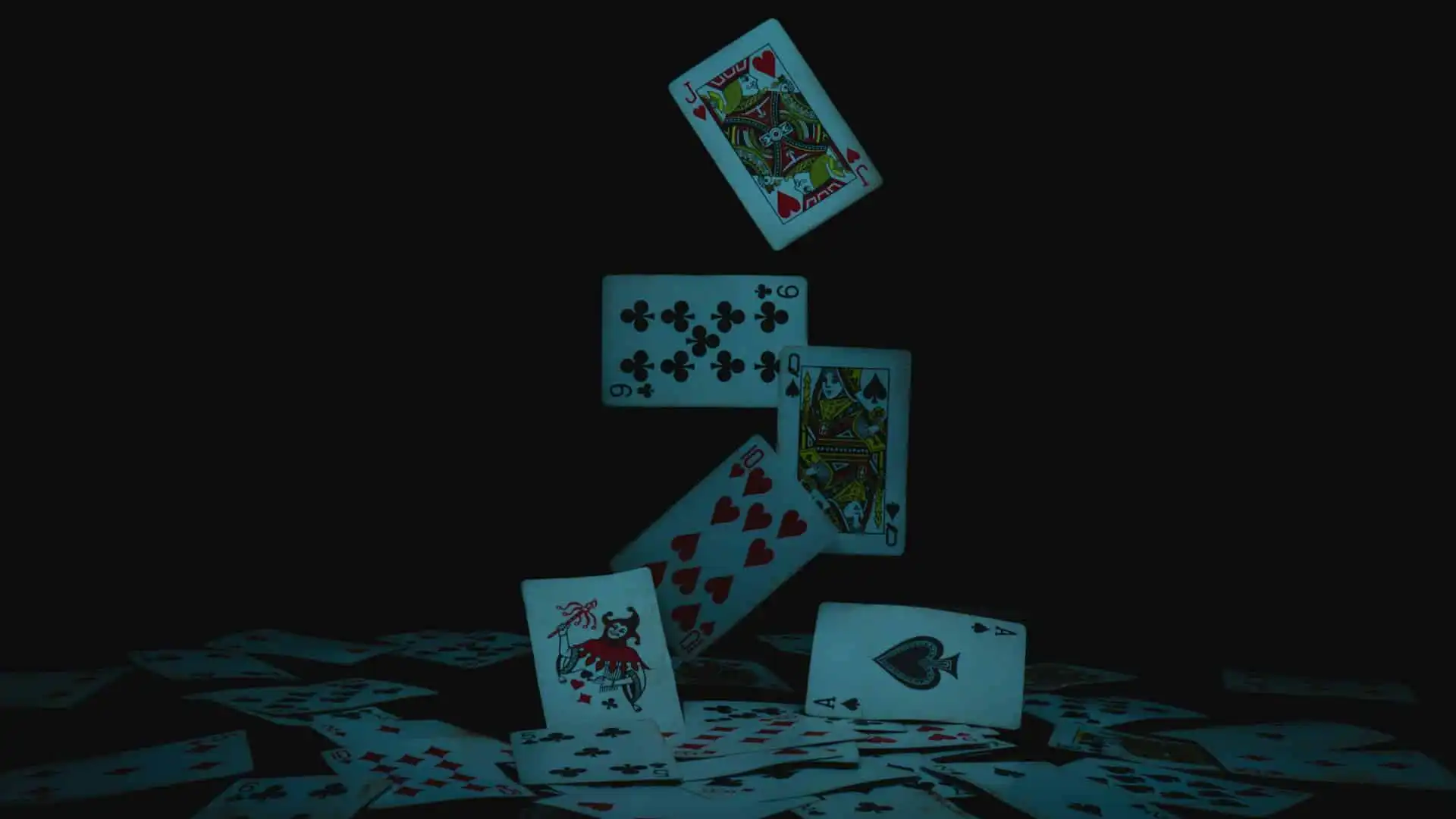
“Engagement” is the most overused and under-defined word in corporate events. In 2026, 74% of event professionals identify engagement as a key success factor, yet 39% still cite it as one of their top challenges. That gap exists because most planners can’t precisely articulate what engagement actually is, let alone how to design for it. So when someone says “magicians boost engagement,” it sounds good, but it’s vague.
This article unpacks the actual mechanics of what engagement means in measurable terms, how magic specifically activates the underlying cognitive and behavioral systems that produce it, and where the limits of magic-driven engagement are. It’s the mechanics companion to our planner-facing magicians cluster: reasons to hire, what to expect, how to choose, and the anatomy of a magic act all answer different planner questions; this one answers “what’s actually happening cognitively when the magic lands.”
Key Takeaways
→ Engagement at corporate events isn’t a single thing it’s a stack of four cognitive states (attention capture, active participation, social bonding, memory encoding). Magic activates all four in a single performance window, which is rare for any event element. Most other components (slides, keynotes, panel discussions) activate one or two at most.
→ The underlying reason magic creates engagement is pattern violation. Human attention reliably re-engages when expectations are broken, and magic is a structured pattern violation by design. This is why 92% of event attendees say they prefer interactive experiences over passive sessions. Interactivity is the easier-to-design version of the same underlying mechanism.
→ Engagement converts to measurable post-event outcomes only when “peak moments” are created. Freeman’s research shows attendees who experience a peak moment at an event are 85% more likely to return. Magic produces peak moments reliably and at low logistical cost compared to other event mechanisms (major venue, headline speaker, large production).
→ Magic-driven engagement is heavily dependent on context. The same magician at the same skill level produces dramatically different engagement outcomes depending on slot placement, audience composition, and program adjacency. Engagement isn’t a property of the magic, it’s a property of the system around it.
→ The ROI of magic-driven engagement shows up in three places: behavioral signals during the event (laughter, group attention, social diffusion), post-event measurement (attendee surveys, NPS, retention intent), and downstream business signals (testimonial collection, content capture, repeat attendance the following year). The downstream signal is the most under-measured and the most valuable.
DJ Will Gill specializes in audience engagement across 600+ corporate events — including programs where magicians and other specialty acts are layered into the run-of-show. Contact us for engagement-focused programming.
1. What “Engagement” Actually Means at Corporate Events
“Engaged audience” is one of those phrases that sounds specific but isn’t. When event professionals use it, they usually mean some combination of four distinct cognitive states and most underperforming events are weak on a specific one of these four, not all of them at once. Knowing which one your event needs is the first step to designing for it.
Attention capture: The audience’s eyes and brains are actually present in the room, not on phones or in mental drift. This is the foundational layer. A room full of attendees who showed up but aren’t paying attention is the worst possible event outcome. The cost is incurred, but the engagement isn’t.
Active participation: The audience is doing something, answering polls, asking questions, volunteering, talking with neighbors, and applauding meaningfully. 92% of attendees prefer interactive experiences over passive sessions because participation is the difference between observing an event and being inside one.
Social bonding: The audience is connecting, not just with the stage. Shared laughter, shared amazement, post-event “did you see that?” conversations. This is the layer where corporate events deliver disproportionate ROI because the relationships formed often outlast the event itself.
Memory encoding: The audience leaves with vivid, retrievable memories of what happened. A boring event with high attention and participation still fails if nobody can remember it a week later. Memory encoding is what produces the downstream business signal that justifies the event’s existence.
Most corporate event elements activate one or two of these. A keynote captures attention but rarely produces participation or social bonding. A panel discussion may produce participation (in Q&A) but rarely social bonding or memory encoding. A cocktail hour produces social bonding but minimal memory encoding (people forget specific conversations within days). Magic is unusual because it can activate all four simultaneously when properly placed.
2. Why Magic Creates Engagement at the Cognitive Level
The underlying mechanism is pattern violation. Human attention is governed by a simple rule: the brain devotes resources to anything that violates expectations, and it tunes out anything that confirms them. This is why background noise becomes invisible within minutes and why a single unexpected sound makes everyone’s head turn.
Magic is a structured pattern violation by design. A card disappears when cards aren’t supposed to disappear. A signed item ends up sealed inside an object it couldn’t possibly be inside. A “random” choice is predicted in advance. Every effective magic effect is built around a specific violation of the audience’s mental model of what’s physically possible. The bigger the violation, the harder it is to look away.
This is the same mechanism that drives the broader event-engagement preference data. 64% of attendees say immersive experiences are the most important element of an event, and 92% prefer interactive experiences over passive sessions both are downstream effects of the brain’s preference for novelty and pattern interrupt. Magic is the densest version of pattern violation available as a programmable event element.
There’s also a social-cognitive layer. When everyone in the room watches the same impossible thing happen simultaneously, the audience’s individual reactions get amplified by the group reaction. This is why a magic effect that lands in a 200-person room generates more engagement than the same effect performed solo for one person. The laughter and amazement become socially contagious in a way that individual entertainment can’t replicate.
3. The Four Engagement Mechanisms Magic Triggers
Magic is unusual because it activates all four engagement layers in a single performance window. Most event elements activate one or two. Here’s how magic hits each.
Mechanism 1 Attention through pattern interrupt. A magic effect creates an instant attentional reset. The brain can’t process an impossible event using normal expectations, so it allocates extra resources to figure out what just happened. This is the fastest, hardest-to-fake form of attention capture available. A skilled corporate magician can pull an entire ballroom’s attention from neutral to fully focused in under 30 seconds, a feat that no slide deck, video, or keynote opening achieves with similar consistency.
Mechanism 2 Participation through volunteer dynamics. The volunteer moment in a magic act is structurally designed for high-quality audience participation. Unlike Q&A (where most of the audience watches a few people ask questions), a volunteer-based effect creates a shared spotlight: the volunteer is participating, but the audience watching the volunteer is ALSO participating, because they’re rooting for the volunteer and trying to figure out the trick themselves. Industry research notes that 74% of event professionals identify engagement as a success factor and 39% cite it as their top challenge. Volunteer-based participation is one of the few mechanisms that solves both at once.
Mechanism 3 Social bonding through shared amazement. A great magic moment generates simultaneous group reaction, collective gasps, shared “no way” responses, and instant turn-to-your-neighbor commentary. This is the highest-quality social bonding mechanism in events because it doesn’t require the audience to know each other or have prior relationships. Strangers become temporary co-conspirators in “Did you see what just happened?” The post-event coffee-line conversations that result are real networking value.
Mechanism 4 Memory encoding through emotional peak. Freeman’s research highlights that attendees who experience a peak moment at an event are 85% more likely to return. Magic produces peak moments reliably because the emotional intensity of impossibility is encoded by the brain at higher fidelity than ordinary experiences. The memory durability is real; attendees regularly remember specific magic moments years later when they can’t remember keynote content from the same event. That memory durability is what produces downstream business value.
4. How Magic-Driven Engagement Shows Up in Event ROI
Engagement only matters if it converts to measurable outcomes. Magic-driven engagement shows up in three ROI layers, and the most under-measured of the three is the one that produces the largest downstream value.
In-event behavioral signals (immediate, observable): Volume and frequency of laughter, density of “wow” reactions, depth of applause, level of social diffusion (people turning to neighbors, taking photos, posting). These are real-time signals visible to anyone watching the room. Skilled event producers can read them within minutes of a performance starting.
Post-event survey metrics (1–4 weeks after): Net Promoter Score (NPS) for the event overall, satisfaction scores, and return intent. 77% of consumers report increased trust in a brand after a live event interaction, and 92% of event teams are prioritizing better post-event engagement in 2026. Magic moments are over-represented in attendee feedback; people remember them and mention them in unprompted survey responses at higher rates than other event elements.
Downstream business signals (3–12 months after): Repeat attendance the following year, testimonial collection rate, social content production, referral generation. This is where the largest ROI lives, and it’s the most under-measured. The Freeman peak-moment data 85% increased return likelihood is a downstream signal, and it’s why corporate events with strong engagement components see year-over-year attendee retention curves that compound. The magic isn’t memorable because it’s flashy; it’s memorable because it activates the brain’s memory consolidation systems through emotional peak.
The compound effect. Events that consistently produce peak moments build attendee bases that grow year over year through both retention and referral. Events that don’t churn their audience and rebuild it from scratch annually. The single highest-leverage decision in long-term event strategy is usually whether to invest in mechanisms that produce reliable peak moments and magic is one of the most cost-efficient ways to do that.
5. When Magic-Driven Engagement Fails (Counter-Cases)
Magic isn’t automatic engagement. The same magician at the same skill level can produce dramatically different engagement outcomes depending on context. Here are the most common failure modes useful to know because they’re all preventable.
Format mismatch: Stage magic at a cocktail hour fails because there’s no captive audience; strolling close-up at a ballroom main-stage slot fails because there’s no sightline. The single most common engagement failure isn’t bad magic it’s the right magic in the wrong slot. Our style-matching guide covers this in depth.
Audience mismatch: An executive C-suite audience generally responds well to mentalism and high-skill close-up but poorly to comedic or prop-heavy material. A mixed-demographic employee audience is the opposite. Booking a magician whose style mismatches the audience produces polite-but-flat engagement. The magic happens, but the room doesn’t activate.
Program adjacency failures: A 20-minute magic set placed immediately after a heavy emotional moment (memorial tribute, layoff announcement, serious leadership address) will underperform because the audience is emotionally calibrated for a different register. Magic also underperforms if it follows another high-energy performance back-to-back, the room is saturated, and the second high-energy element produces diminishing returns.
Over-booking the slot: 90 minutes of magic at a 60-minute slot produces engagement fatigue. Time discipline has become a measurable performance driver in 2026 event design, and that applies to entertainment slots, too. Magic at the right intensity for slightly less time than the audience expects produces the strongest engagement signal; longer-than-needed sets produce attention drift even when the magic is excellent.
The “engagement decoration” trap: Booking magic as a check-the-box engagement element without integrating it into the program’s emotional arc produces flat results. Magic works best when it has a JOB inside the program, anchoring a transition, energizing after a low-energy session, or celebrating a specific moment. Booking magic just because the budget allows it, without a programmatic purpose, almost always produces tepid engagement even when the magic itself is excellent.
About the Author
William “DJ Will Gill” Gilbert is a corporate event DJ, emcee, and audience engagement specialist not a magician and writes about engagement mechanics from a programmatic perspective shaped by 600+ events across corporate, conference, and specialty-event formats. The engagement framework in this guide reflects how Will approaches his own audience engagement work and applies equally to specialty performers, including the corporate magicians frequently layered into Will’s programs. Will is recognized as the Wall Street Journal’s #1 Corporate DJ, Forbes Next 1000 honoree, and has 2,520+ five-star reviews from corporate planners.