
Best Practices for Seamless Event Flow with a Professional Corporate DJ
Introducing AIDJ
Built by DJs, for DJs · Prep Your Setlist in Seconds · Find and Load Similar Songs While Performing Live.
Seamless flow starts with a clean, pre-built setlist. AIDJ is the platform I built to prep show-ready playlists in seconds and load similar songs on the fly when a transition runs long.
Event flow does not break because the music is bad. It breaks in the seams the three seconds of dead air after a keynote ends, the walk-on song that starts a beat too late, the music that does not duck when the emcee starts talking, the awkward silence during an unplanned AV reset. For Corporate Event Planners and Production Teams, those seams are where a polished show either holds together or falls apart.
Will Gill puts these practices to work as a corporate event DJ for seamless conference flow.
After 600+ corporate events, three Super Bowl activations, and hundreds of run-of-show documents, I can tell you the difference between a DJ who plays music and a DJ who runs flow with your production team comes down to preparation and communication not talent. A great corporate DJ functions as part of the production crew: they take calls from the show caller, follow the cue sheet, and fill every transition so the room never loses energy.
This is the checklist my production partners and I run on every corporate event, organized by phase. Use it to brief any DJ you book, or hand it to your AV team in advance.
Phase 1: Pre-Event Planning (4–6 Weeks Out)
Flow is designed long before load-in. Lock these items while the run of show is still being built so the DJ is integrated into the program, not bolted on at the end.
- ☐ Share the run of show/cue sheet with the DJ. The DJ should see every segment, speaker, transition, and timing before they build a single playlist.
- ☐ Confirm walk-on and walk-off songs for each speaker. Executives often have personal preferences. Collect them early; do not improvise at the podium.
- ☐ Lock the Do Not Play list. Explicit lyrics, politically polarizing artists, and off-brand genres should be off the deck before the playlist is built, not flagged live.
- ☐ Define Voice of God responsibilities. Decide whether the DJ, emcee, or a separate announcer handles VOG, and document it.
- ☐ Agree on the DJ’s role in transitions. Music beds, stingers, and scene-change underscoring clarify what the DJ covers versus the AV playback system.
- ☐ Establish the comms plan. Confirm who cues the DJ during the live show: the show caller on the intercom, the stage manager hand signals, or both.
Phase 2: Technical Advance (1–2 Weeks Out)
This is the phase that separates a DJ from a production-grade partner. The DJ should be talking directly to your AV lead, not just to you.
- ☐ Confirm input/output needs with AV. Channel count, DI boxes, stereo vs. mono feed to front-of-house, and where the DJ’s signal lands on the console.
- ☐ Confirm monitor/foldback for the DJ. A DJ mixing blind to the house PA cannot manage levels. They need their own monitor feed.
- ☐ Coordinate wireless microphone frequencies. If the DJ brings mics, they must be deconflicted with the AV team’s RF plan to avoid dropout and interference.
- ☐ Share the stage plot and patch list. The DJ should know exactly where they are positioned and how their gear patches into the larger system.
- ☐ Confirm the backup equipment plan. Redundant laptop pre-loaded with the full setlist, backup controller in the rig, spare mics on separate frequencies, and battery backup on the signal chain.
- ☐ Confirm power and physical placement. Dedicated circuit if available, cable paths taped and out of foot traffic, and a position with sightline to the stage and show caller.
Phase 3: Day-of Load-In & Soundcheck
The single most common day-of failure is a DJ who arrives when doors open instead of during the load-in window. Flow problems get solved in soundcheck, or they go live in front of your audience.
- ☐ DJ arrives within the load-in window, not at door time. They need a runway to set up, patch, and test.
- ☐ Line-check every input with the AV team before the room fills.
- ☐ Rehearse walk-on/walk-off cues with the show caller. Run the actual transitions, not just a level check.
- ☐ Set the level relationship between music and speech. Music should duck cleanly under announcements without the operator scrambling for a fader.
- ☐ Confirm comms are live. Test the intercom or agreed-upon hand signals so the DJ takes cues cleanly during the show.
- ☐ Test the Voice of God through the house system at the audience level.
Phase 4: Live Show — Run-of-Show Execution
During the program, a production-grade DJ disappears into the flow. The audience should feel the energy without noticing the mechanics.
- ☐ DJ follows the cue sheet and takes calls from the show caller. No freelancing during the formal program.
- ☐ Walk-on music starts on cue and fades cleanly as the speaker reaches the mic, with no abrupt cutoffs.
- ☐ Music ducks under every announcement and VOG cue automatically, without dead air or volume spikes.
- ☐ Transitions and scene changes are filled with energy-appropriate beds so the room never goes silent.
- ☐ The DJ reads the room and adjusts within the boundaries of the cue sheet and Do Not Play list.
Phase 5: Energy Management & Handling the Unexpected
Every corporate event has moments the run of show did not predict an AV reset, a speaker who runs long, a video that will not load. This is where an experienced corporate DJ earns the booking.
- ☐ Zero dead air during gaps, scene changes, or AV resets. The DJ covers the silence the instant a gap appears.
- ☐ Energy builds into key moments, award reveals, product launches, and the closing number.
- ☐ Energy comes down for serious content keynotes, moments of recognition, and sensitive announcements.
- ☐ Overruns and underruns are handled gracefully. The DJ stretches or tightens musical fills on the show caller’s call, not their own.
- ☐ The backup plan executes silently if the gear fails. A failover to the redundant laptop or controller should be invisible to the audience.
Phase 6: Close-Out & Post-Event
Flow does not end when the formal program does. The handoff to the reception or after-party is a transition like any other.
- ☐ Smooth transition from formal program to reception/after-party with an energy ramp that matches the shift in tone.
- ☐ Clean load-out that does not disrupt the room or the venue’s reset timeline.
- ☐ Post-event debrief with the planner and production lead to capture what worked and what to refine for the next show.
Why Production Teams Choose DJ Will Gill
I have run flow alongside production crews at 600+ corporate events, three Super Bowl activations, and Formula 1 Las Vegas. The Wall Street Journal named me the #1 Corporate DJ in 2020 for keeping audience energy alive during the pivot to virtual events. Forbes recognized Faders and Fitness, LLC as a Next 1000 honoree in 2021.
I take calls from your show caller, follow the cue sheet, coordinate directly with your AV lead during advance, and fill every transition so the room never loses energy. My 3-in-1 model DJ + Emcee + Audience Engagement means one integrated partner instead of three vendors to coordinate.
Need more than music at your corporate event?
Will Gill is also a corporate keynote speaker. His talk, The Moralegorithm, brings the same stage energy to your general session with three algorithms to boost morale and tap into your STAR POWER. DJ bookings and keynote talks pair naturally on multi-day agendas.
What Corporate Clients Say
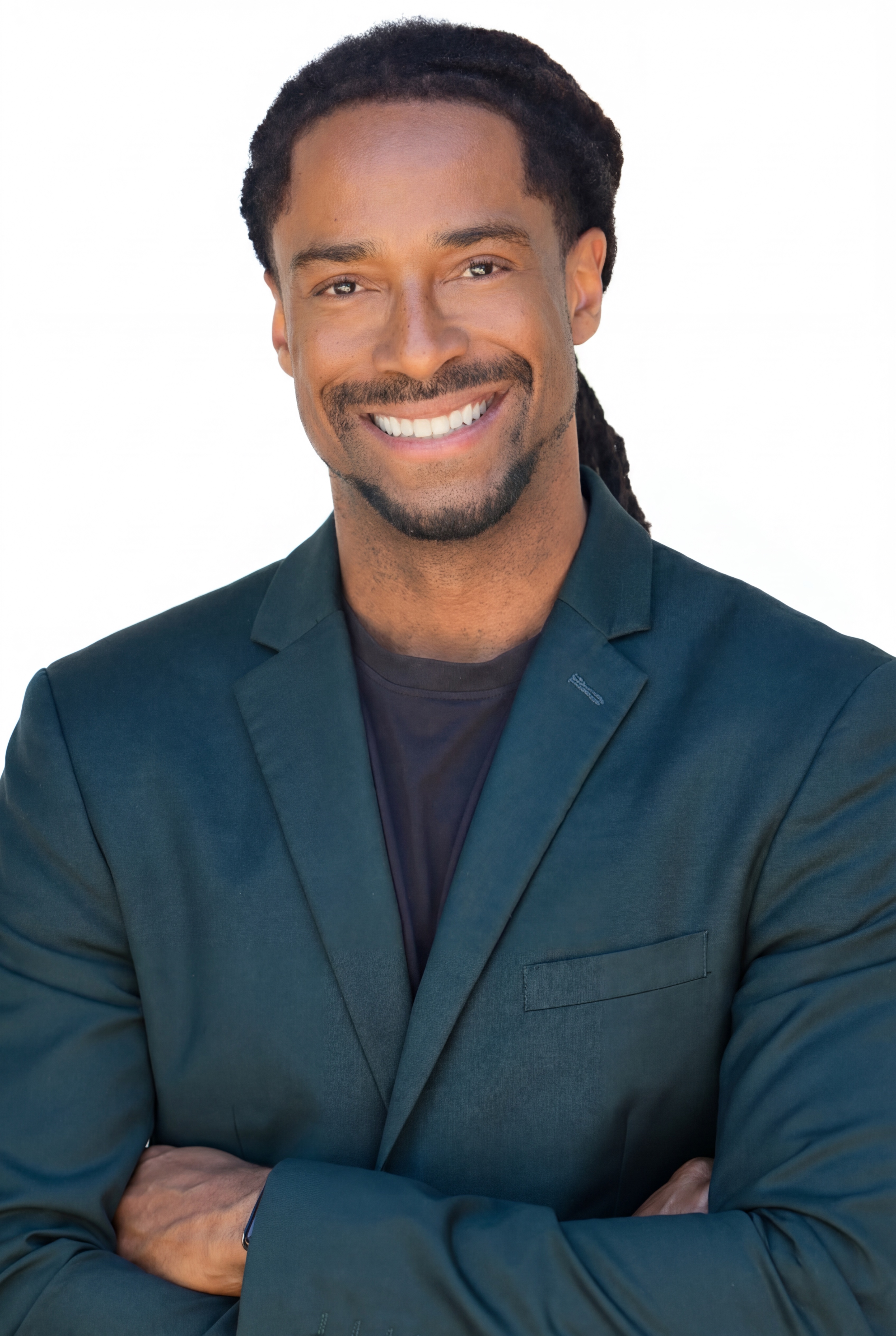
About the Author: Will Gilbert (DJ Will Gill)
Will Gilbert is a professional corporate DJ, emcee, and audience engagement specialist with 15+ years of experience and 600+ events delivered for Fortune 500 clients. Named Wall Street Journal’s #1 Corporate DJ (2020) and Forbes Next 1000 honoree (Media & Technology, 2021). 3× Super Bowl DJ. World Cup performer. Formula 1 performer. MBE certified. 2,520+ five-star reviews. Featured client roster includes Pepsi, PayPal, the United Nations, and dozens of Fortune 500 enterprises.
Contact: info@djwillgill.com · 310-400-6297 · Instagram · IMDB
Frequently Asked Questions
Where does event flow break?
In the seams: dead air after a keynote, a late walk-on song, music that does not duck under the emcee, silence during an AV reset.
The run of show and cue sheet so the DJ sees every segment, speaker and transition.
What are the six phases?
Pre-event planning, technical advance, load-in and soundcheck, run-of-show execution, energy management, and close-out.
How does a corporate DJ work with production?
As part of the crew: taking calls from the show caller, following the cue sheet and filling every transition.
Who wrote this checklist?
DJ Will Gill, after 600+ corporate events and three Super Bowl activations.
Planning a corporate event? Check Will’s availability.