
Corporate Event Band Energy: Why It Works & How to Book
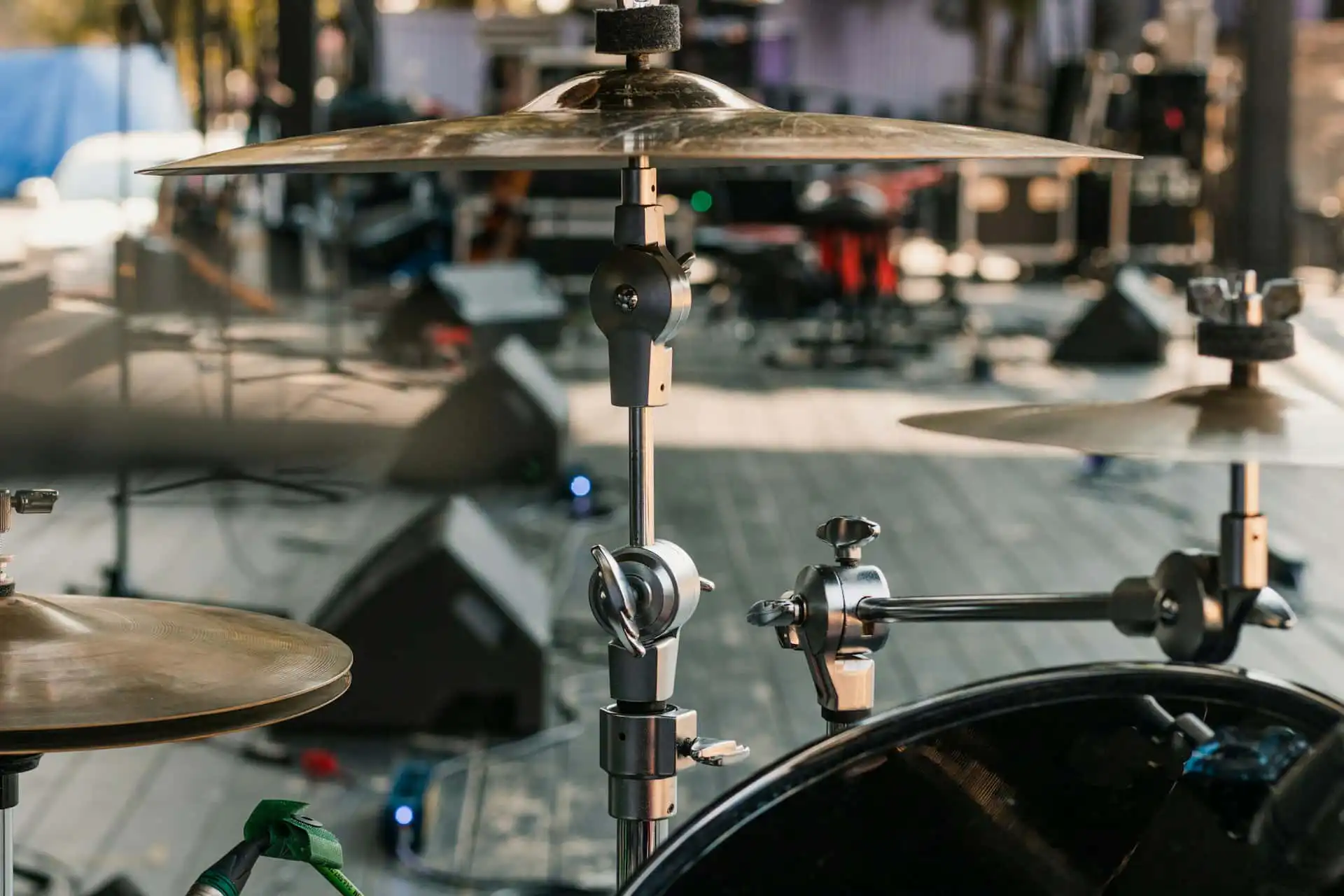
A live corporate event band is not just louder music. It is a fundamentally different kind of audience experience one that produces measurable physiological and emotional responses recorded music cannot replicate. Peer-reviewed research has now documented what every veteran event planner already suspected: human beings respond to live musicians performing in the same room with them in ways that go beyond what’s coming out of the speakers.
That energy is the asset corporate planners pay for when they book a live band. The right group, in the right format, deployed at the right point in the run-of-show, can shift a routine corporate gathering into the kind of event guests still talk about a year later. The wrong booking a polished cover band parachuted into a contemplative awards dinner, or a jazz trio booked for a celebration meant to peak leaves money on the table. This guide breaks down the science behind the energy, the band formats that produce different energy profiles, and how to deploy them effectively across the event arc.
Key Takeaways
→ Peer-reviewed studies have shown that live music performances elicit stronger emotional and physiological audience engagement than identical recorded performances including measurable increases in skin conductance response and head-movement entrainment among listeners (PMC: Live vs. Recorded Performance Study; PMC: Head Movement & Live Music).
→ Demand for live experiences is rising 7 in 10 consumers say they would rather splurge on an experience than buy material goods, and 21–35-year-olds are 1.4× more likely than other demographics to call event spending a high priority (Easol Music Festival Stats, 2026).
→ Across surveyed event attendees, 84% say they prefer musical or music-themed events, and 78% prefer live performing arts both formats outranking sports, charity events, and themed runs (Eventify 100+ Event Statistics, 2026).
→ The corporate events market is projected to grow from approximately $325 billion to $595.27 billion by 2029, at a compound annual growth rate of 10.61% meaning planners across most sectors will be competing for the same live-entertainment booking calendars (Eventify Event Statistics, 2026).
→ Live Nation reported Q2 2025 global attendance up 14% year-over-year to 44 million fans and over 130 million tickets sold through July a clear signal that live music demand is not just recovering but scaling, and corporate planners should expect tightening availability among top-tier acts (Easol, 2026).
See DJ Will Gill in action or contact us directly to discuss what entertainment format is right for your event.
The Engagement Science Why Live Performance Outperforms Recorded Music
Researchers studying live music performance have begun isolating the specific mechanisms that make a live band produce a different audience response than a recording of the same music. Two findings consistently hold up across studies:
Higher physiological engagement. A 2025 PMC-published study comparing identical live and screen-recorded performances under controlled viewing conditions found that skin conductance response frequency a standard measure of emotional arousal increased significantly during the final segment of the live performance but not in the video condition. The researchers concluded that live performances elicit stronger emotional and physiological engagement than recorded counterparts, and that performer-audience interaction is a key driver that recorded media cannot replicate (PMC, 2025).
Greater behavioral entrainment. Earlier motion-capture research demonstrated that listeners’ head movements a reliable proxy for emotional engagement and rhythmic entrainment are measurably stronger and more synchronized to live music than to identical pre-recorded music. The same study found that pre-existing admiration for the performers also amplified the engagement effect (PMC: Head Movement & Live Music).
Two practical implications follow for corporate planners. First, the room dynamics during a live set the cheers, the dancing, the people pulling out phones are not the imagined product of a good crowd. They are physiological responses being triggered by the presence of real performers responding in real time to the room they are in. Second, the engagement compounds with audience familiarity. A band performing songs the audience already loves produces stronger engagement than the same band performing equally good but unfamiliar music. This matters when curating the band’s setlist for any given corporate audience.
Band Format and Energy Profile Matching the Lineup to the Event Type
“Live band” is a category, not a booking. The right band for a 200-person product-launch reception is not the right band for a 1,500-person Sales Kickoff closing party. Each major band format produces a different energy profile, suited to a different event purpose:
- Jazz trio or quartet (3–4 pieces) Ambient sophistication. Best for cocktail hours, awards dinners, networking receptions, executive welcomes. The music supports conversation without competing with it. Energy stays in a controlled, polished register throughout the set.
- Acoustic duo or trio (2–3 pieces) Intimate warmth. Best for smaller retreats, intimate VIP dinners, anniversary celebrations, off-site team gatherings. The stripped-down arrangement reads personal and emotionally direct rather than performative.
- Funk and soul band (6–8 pieces) Conversational mid-energy with peak capability. Best for hybrid evenings that start as cocktail hours and progress to dancing. The horn section adds visual and sonic energy without forcing the room into “concert mode” before guests are ready.
- Pop-rock or top-40 cover band (5–10 pieces) High-energy mass appeal. Best for annual company parties, sales kickoffs, end-of-year celebrations, large recognition events. The familiar-song repertoire produces the audience-familiarity engagement boost research has documented.
- Specialty tribute act Theatrical, era-specific, instantly thematic. Best for theme nights (80s, Motown, decades parties) where the band’s presence is itself part of the event’s visual identity. Lower flexibility, higher impact.
- Showband or wedding-style band (8–12 pieces) Broad-format adaptability. Best for events where one act must cover dinner background, an awards segment, and a dance set without ceding the stage. The biggest staffing footprint and the highest budget but the only category that can credibly do all three jobs.
A common booking mistake is treating these formats as interchangeable. They are not. The format choice should follow from what the event needs at each phase of the run-of-show, which is the next section.
The Event Arc Deploying Band Energy Across the Run-of-Show
Most corporate events progress through three energy phases. A live band’s deployment should match that progression the same band performing the same set at the wrong phase produces measurably weaker engagement than a phase-appropriate booking.
Phase 1 Arrival and reception (30–60 minutes). Guests are walking in, finding name tags, locating colleagues, getting first drinks. Music supports the social atmosphere without commanding attention. Jazz trio, acoustic duo, or solo instrumentalist work here. A pop-rock band playing at full volume during arrival creates noise the room hasn’t asked for yet.
Phase 2 Program and dinner (60–120 minutes). Awards, recognitions, speeches, plated meals. Music either disappears completely (silent during program segments) or moves to background mode (between segments). Either the band breaks here, or a smaller acoustic configuration covers the transitions. A full pop-rock set during dinner forces guests to choose between conversation and listening they will choose conversation, and the band becomes ignored ambient noise.
Phase 3 Peak and dance (60–120 minutes). Program is over, the room has had food and drinks, and energy is ready to release. This is where the high-energy band lineup belongs pop-rock, funk-soul, showband. The familiar-song repertoire and the live-performance engagement boost compound to produce the dance-floor moment the planner is paying for.
The honest reason most “the band wasn’t great” complaints happen: the band was actually fine, but it was the wrong band for the phase it was deployed in. Booking format-and-phase deliberately is more important than booking the most expensive band on the list.
Live Band vs. DJ vs. Playlist The Honest Comparison
A live band is not always the right call. The strongest engagement format for any given corporate event depends on the budget, the audience size, the event purpose, and the desired level of musical variety. The comparison below maps each format to the factors planners actually weigh.
| Factor | Live Band | Professional DJ | Curated Playlist |
|---|---|---|---|
| Audience engagement intensity | Highest measurable physiological response | High performer presence + song variety | Lowest background music |
| Musical variety per night | Limited to band’s repertoire | Open-format, decade-spanning | Predefined, no live adjustment |
| Adaptability to room read | Real-time tempo & song-order adjustment | Real-time track selection | None runs as built |
| Typical investment range | $$$ – $$$$ | $$ – $$$ | $ (licensing only) |
| Stage/setup footprint | Significant staging, sound, lighting | Modest one or two operators | Minimal house PA only |
| Emcee & program integration | Limited bandleader patter only | High most DJs emcee or partner with one | None separate emcee required |
For events where the music is the headline and the room is built for a peak moment, a live band wins. For events where the music supports a longer program with awards, speakers, and multiple energy phases, a DJ especially a DJ who emcees or partners with an emcee often delivers more value per dollar. Many corporate planners run a hybrid: live band for the peak set, DJ covering cocktail hour and post-band wind-down. That hybrid model captures the live-music engagement boost without paying for a full band to play background music during dinner.
Hiring Smart What to Vet Before Booking
Demand for live entertainment is rising faster than capacity. Live Nation’s Q2 2025 results showed global attendance up 14% year-over-year to 44 million fans and over 130 million tickets sold through July a strong signal that the live-music economy is scaling, which also means the better acts are getting harder to book on short notice (Easol, 2026). For corporate planners, that means booking earlier and vetting more carefully. Six things worth confirming before signing a contract:
- Audience fit, not personal taste. The booker’s musical preferences and the audience’s preferences are often different. Build the brief around the actual demographic in the room age range, regional background, industry culture not what the booker would enjoy at a concert.
- Live performance footage from a similar event. A studio recording demonstrates musicianship but reveals nothing about whether the band can handle a corporate room. Ask for footage from a recent event of comparable size and format. If the only footage available is club gigs and weddings, the band may not be a corporate fit.
- Setlist control. Confirm in writing whether the band will accommodate setlist requests, must-play and do-not-play lists, and any specific anchor songs the audience expects. Bands that refuse setlist input or charge heavily for it are often a poor cultural fit for corporate work.
- Stage and technical riders. The band’s technical requirements (stage size, power, sound system, monitors, lighting) need to fit the venue and the production budget. Surprises here surface as cost overruns or last-minute cancellations.
- Insurance and contracts. Confirm liability insurance, performance contracts, deposit terms, weather/cancellation clauses, and force majeure language. Verbal agreements with a touring band are not a viable corporate booking.
- Day-of point of contact. Confirm who on the band side will be reachable on event day bandleader, manager, agent, or production lead. If the answer is unclear two weeks out, escalate before signing.
A live band done well is one of the most reliable energy investments in the corporate entertainment budget. Done poorly, it is also one of the most expensive. The difference is almost always in the vetting and the deployment, not the band itself.

About the Author
William “DJ Will Gill” Gilbert is a corporate event DJ and emcee, not a band, and a frequent considered-alternative for planners weighing live-band, DJ, and emcee formats. He has performed at 600+ corporate events, collected 2,520+ five-star reviews, and been recognized by Forbes (Next 1000) and The Wall Street Journal, which ranked him the #1 Corporate DJ. Will writes about live bands here because most of his corporate clients ask him to compare formats, and an honest comparison serves the planner better than a sales pitch in either direction.