
Top 15 Corporate Band Songs
Most “best corporate band songs” lists rank songs by general popularity. The 15 songs in this catalog are selected for something more specific: documented performance function in corporate event contexts. Each works for a defined reason audience-participation triggers, dance-floor energy ignition, live-band instrumentation showcase, or modern-era cross-generational appeal and each fits a different moment in a corporate event’s arc. The list below is organized around those four functions rather than around generic popularity, because a corporate buyer asking “which songs should our band play” is really asking four different questions depending on which moment of the event they’re planning.
This article is the named-song reference catalog of the cluster’s setlist series. For the setlist architecture and sequencing logic, see how to build a corporate band setlist that lands with every audience.
Key Takeaways
The 15 songs in this catalog cluster around four corporate-band performance functions: cross-era sing-along anchors (three songs), high-energy dance-floor igniters (five songs), funk and soul showcases that play to live-band instrumentation strengths (three songs), and modern crossover hits with cross-generational appeal (four songs). Each function maps to a specific moment in the event arc, which means the right question for a planner isn’t “which songs are best” but “which function does this moment need.”
Sing-along anchors are the highest-leverage category for corporate audiences because audience participation has emotional payoff that pure listening doesn’t. Songs whose function is sing-along Don’t Stop Believin’, Livin’ on a Prayer, Sweet Caroline produce the strongest documented engagement moments at corporate events regardless of the band’s underlying musical talent, because the song itself does the engagement work. Most setlists underweight this category relative to its performance impact.
Funk and soul showcases are where a great live band’s value over a recorded playlist becomes most visible. Songs like September, Superstition, and Valerie depend on instrumental interplay (rhythm section, horns, vocal phrasing) that a recording flattens but a live band amplifies. Corporate band evaluation guidance consistently emphasizes that buyers should look for bands with proven repertoire fluency across these genres, because they reward live performance in a way most pop hits don’t.
Modern crossover hits Blinding Lights, Rolling in the Deep, Shape of You are essential for setlists targeting cross-generational corporate audiences in 2026, because the wrong era-balance signals an out-of-touch band to younger attendees. 2026 corporate entertainment trends emphasize cross-generational appeal as a primary booking criterion, and the modern crossover category is what delivers it.
All 15 songs work as recommendations rather than mandates. The catalog provides a starting reference; the right setlist depends on the band’s actual capabilities, the audience’s demographic mix, and the specific event arc. Use the comparison table at the end of this article to map each song to the moment in the event where it earns its slot, and use the cross-linked setlist architecture article to sequence the final running order.
Watch DJ Will Gill perform live. Contact him now to discuss your corporate entertainment booking.
“The right question isn’t which songs are best for corporate audiences. It’s which function each moment of the event needs a sing-along, a dance-floor ignition, a band-instrumentation showcase, or a cross-generational bridge and which named song does that function reliably.”
Why These 15: The Performance Criteria That Filter Corporate Band Setlist Choices
Every song on this list passes four corporate-band filtering criteria. Cross-generational recognition: the song registers with attendees from their 20s through their 60s, which corporate events require because demographic mixing is the norm. Live-band execution viability: the song works when played by a five-to-eight-piece corporate band, without depending on production elements (heavy synths, vocal sampling, electronic textures) that can’t be reproduced live. Demonstrated dance-floor or sing-along function: the song produces a documented behavior at events bodies moving or voices joining rather than passive listening. Corporate-context register: the lyrical content and energy level fit a professional environment, which screens out a meaningful share of otherwise popular songs.
The 15 songs below are organized into four functional categories sing-along anchors, dance-floor igniters, funk and soul showcases, and modern crossovers because the right question for a planner isn’t “what are the best songs” but “what function does this moment of the event need.” A cocktail-hour moment doesn’t need a sing-along anchor; a post-dinner energy lift doesn’t need a soul showcase; an awards-program transition doesn’t need a dance-floor igniter. Mapping songs to functions is the foundation of a setlist that works, which is why this catalog is structured by function rather than by ranking.
Each section below explains the corporate-band performance logic of the category, then names the specific songs that fulfill that function, with the rationale for each. The numbering across all four sections runs 1 through 15 to preserve the “top 15” structure the categories are functional groupings, not rankings against each other.
2026 Corporate Band Song Catalog: Category, Function, Event-Arc Deployment, Target Audience, Band-Execution Watch Point
| Category | Function | When to Deploy | Target Audience Profile | What to Watch for in Band Execution |
| Sing-along anchors (Songs 1–3) | Audience participation as deliverable | Mid-program peak moments; works even for passive audiences | Universal works for any corporate demographic mix | Vocalist energy in extended final choruses; ability to extend hooks for participation |
| Dance floor igniters (Songs 4–8) | Initiating and sustaining peak movement energy | Post-dinner dance floor phase; after sing-along anchors warm the room | Audiences who are willing to dance; younger demographic skew benefits | Tempo stability across extended sets; rhythm section consistency under fatigue |
| Funk and soul showcases (Songs 9–11) | Demonstrating what live band delivers that playlist can’t | Cocktail hour, dinner sets, early program; when audience is paying attention | Cross-demographic; reads as elevated/tasteful which fits formal corporate register | Rhythm section tightness; horn arrangement quality; vocal phrasing on soul tracks |
| Modern crossovers (Songs 12–15) | Era-balance and cross-generational reach | Mid-set bridges between classic and contemporary; closing-arc territory | Cross-generational corporate audiences with notable younger-attendee presence | Arrangement quality when synth-heavy originals are reinterpreted for live band |
Catalog applies to corporate event setlists specifically. Sequencing logic which song to play first, when to transition between categories, how to build the energy arc across the full set is covered in the cluster’s setlist architecture article, which should be read alongside this catalog before finalizing any setlist.
Cross-Era Sing-Along Anchors: Songs Where Audience Participation Is the Point
Sing-along anchors are songs whose corporate-event function is audience participation rather than dancing. The participation behavior voices joining the chorus, arms in the air on the hook, a collective moment of shared recognition is the deliverable. These songs work even at events where most attendees won’t dance, which makes them indispensable for corporate audiences whose demographic skews toward attendees who came for the program rather than the entertainment. The category is small in number but disproportionately high in event-memory impact, because the participation moment is what attendees remember when they describe the event the next day.
1. Don’t Stop Believin’ by Journey. Released 1981, this song has become the default corporate sing-along of the last two decades. The chorus arrives early enough that even attendees who don’t know the verses can participate, and the emotional arc of the lyric (“don’t stop believin'”) fits virtually any corporate motivational subtext. Bands typically extend the final chorus to maximize audience participation. Best deployed mid-program or as the band’s first peak moment.
2. Livin’ on a Prayer by Bon Jovi. Released 1986, this is the rock-anthem cousin to Journey’s sing-along. The half-step modulation into the final chorus is a documented audience-energy trigger; corporate audiences who haven’t reacted to anything else in the set will reliably stand and sing the final chorus. Best deployed late-set when the band needs to recapture the room.
3. Sweet Caroline by Neil Diamond. Released 1969, this is the oldest song on the list and the most demographic-universal. The “bah bah bah” audience response after the chorus hook is structurally embedded in the song; no preparation is required because the audience already knows what to do. Best deployed as a guaranteed-engagement moment for audiences whose demographic mix or industry vertical makes other songs riskier.
High-Energy Dance Floor Igniters: Modern Hits That Move Bodies
Dance-floor igniters are songs whose corporate-event function is initiating or sustaining peak movement energy. Unlike sing-along anchors, which work for passive audiences, igniters require attendees who are willing to dance which means they belong in the post-dinner phase of the event when the formal program is complete and the dance floor is the focus. The category is over-represented in most corporate band setlists because planners assume the goal is dancing; in practice, dance-floor igniters work best when sequenced after the sing-along anchors have warmed the room. Deploying igniters before the audience is ready produces an empty dance floor and a visibly under-delivered moment.
4. Uptown Funk by Mark Ronson featuring Bruno Mars. Released 2014, this is the modern funk standard that has displaced earlier-era options as the default dance-floor opener. The horn-and-bass arrangement plays to live-band instrumentation strengths, and the song’s structural buildup allows the band to extend the bridge as a dance-floor commitment moment. Best deployed as the first song after the formal program transitions to dance floor.
5. Shut Up and Dance by Walk the Moon. Released 2014, this is the modern indie-pop counterpoint to Uptown Funk. The chorus is structurally a command (“shut up and dance with me”), which functions as permission for attendees who haven’t yet committed to the dance floor. Best deployed mid-dance-floor when energy needs reinforcement.
6. Happy by Pharrell Williams. Released 2013, this is the cross-demographic feel-good standard with the broadest age-range appeal of any song in the dance-floor category. The clap-on-the-offbeat is intuitive enough that attendees who don’t typically dance will participate at the rhythm level. Best deployed as a mid-set energy reset, particularly when the room’s age skew is older.
7. Can’t Stop the Feeling! by Justin Timberlake. Released 2016, this is the closest modern equivalent to the disco-era dance-floor formula. The vocal phrasing rewards a strong live-band vocalist and the tempo sits in the optimal corporate dance-floor range. Best deployed mid-to-late dance floor when sustained energy is required.
8. I Gotta Feeling by The Black Eyed Peas. Released 2009, this is the late-night dance-floor anchor that signals to the audience “this is the big moment of the night.” The lyrical content (“tonight’s gonna be a good night”) doubles as event-context affirmation, which is why it remains in heavy corporate band rotation despite being released over a decade and a half ago. Best deployed as the final-quarter dance-floor commitment moment.
Funk and Soul Showcases: Tracks That Play to Live Band Instrumentation
Funk and soul showcases are songs whose corporate-event function is demonstrating what a great live band can do that a recorded playlist can’t. The instrumental interplay tight rhythm section, layered horn arrangements, sophisticated vocal phrasing flattens in recordings but amplifies in live performance, which means a band’s quality is most visible during this category. These songs also tend to read as more “elevated” or “tasteful” than pop hits, which makes them well-suited to the earlier program phases (cocktail hour, dinner) when the corporate register is still formal. The category is smaller in number but high in band-credibility impact, because attendees who notice the musicality of the band notice it during these songs.
9. September by Earth, Wind & Fire. Released 1978, this is the funk-soul standard with the broadest cross-generational appeal in the category. The horn-and-percussion arrangement is structurally what a live corporate band exists to deliver, and the song’s energy curve allows the band to choose whether to play it as a cocktail-hour mood-setter or a dance-floor commitment moment. Best deployed either as the late cocktail-hour transition or as the band’s early peak moment depending on the event arc.
10. Superstition by Stevie Wonder. Released 1972, this is the funk-soul rhythm-section showcase. The clavinet line and the rhythmic groove reward a tight live band and lose almost everything in recordings which makes this a high-credibility song for bands to perform live. Best deployed mid-program when the band needs to establish musical credibility with an audience that is paying attention.
11. Valerie by Amy Winehouse featuring Mark Ronson. Released 2007 as a Ronson production featuring Winehouse’s vocal, this is the modern soul-cover standard. The arrangement allows a strong vocalist to anchor the song while the band delivers the instrumental authority underneath. Best deployed as a late cocktail-hour or early dinner-set song when the band is establishing its musical range.
Modern Crossover Hits: Contemporary Songs With Cross-Generational Appeal
Modern crossover hits are songs released in roughly the last 15 to 20 years that have demonstrated cross-generational appeal beyond their original target audience. The category is essential for corporate setlists in 2026 because younger attendees notice when a band’s repertoire is entirely classic-era material, and the wrong era-balance signals an out-of-touch band that doesn’t read the room. The four songs below are the most reliable corporate-band-executable modern hits songs whose arrangements translate well to live band instrumentation and whose lyrical content fits the corporate context.
12. Blinding Lights by The Weeknd. Released 2019, this is the modern synth-pop hit with the strongest cross-generational reach. The 1980s production references give the song appeal to older attendees who recognize the era-influence, while younger attendees recognize the song from its chart dominance. Live bands typically rearrange the synth lines for horns or guitars, which works well in corporate-band execution. Best deployed mid-set as a modern bridge between classic-era and contemporary material.
13. Toxic by Britney Spears. Released 2003, this is the early-2000s pop crossover that has aged into a corporate band standard. The string-arrangement hook is instantly recognizable and the song’s playful energy provides a tempo-and-mood contrast that few other songs in this category can match. Best deployed mid-dance-floor as a deliberate genre-shift moment.
14. Rolling in the Deep by Adele. Released 2010, this is the modern soul-pop crossover that rewards a strong vocalist and a band capable of dynamic restraint. The song’s structural build from quiet verse to peak chorus is one of the strongest live-band-executable arrangements of the last 15 years. Best deployed as a mid-set anchor where the band wants to demonstrate musical depth alongside dance-floor capability.
15. Shape of You by Ed Sheeran. Released 2017, this is the modern pop crossover with the broadest cross-demographic recognition of any song from the late 2010s. The minimalist arrangement is well-suited to live band reinterpretation, which can elevate the song meaningfully above its recorded version. Best deployed as a closing-arc song when the band wants to land on contemporary territory before transitioning back to a sing-along anchor for the final moment.
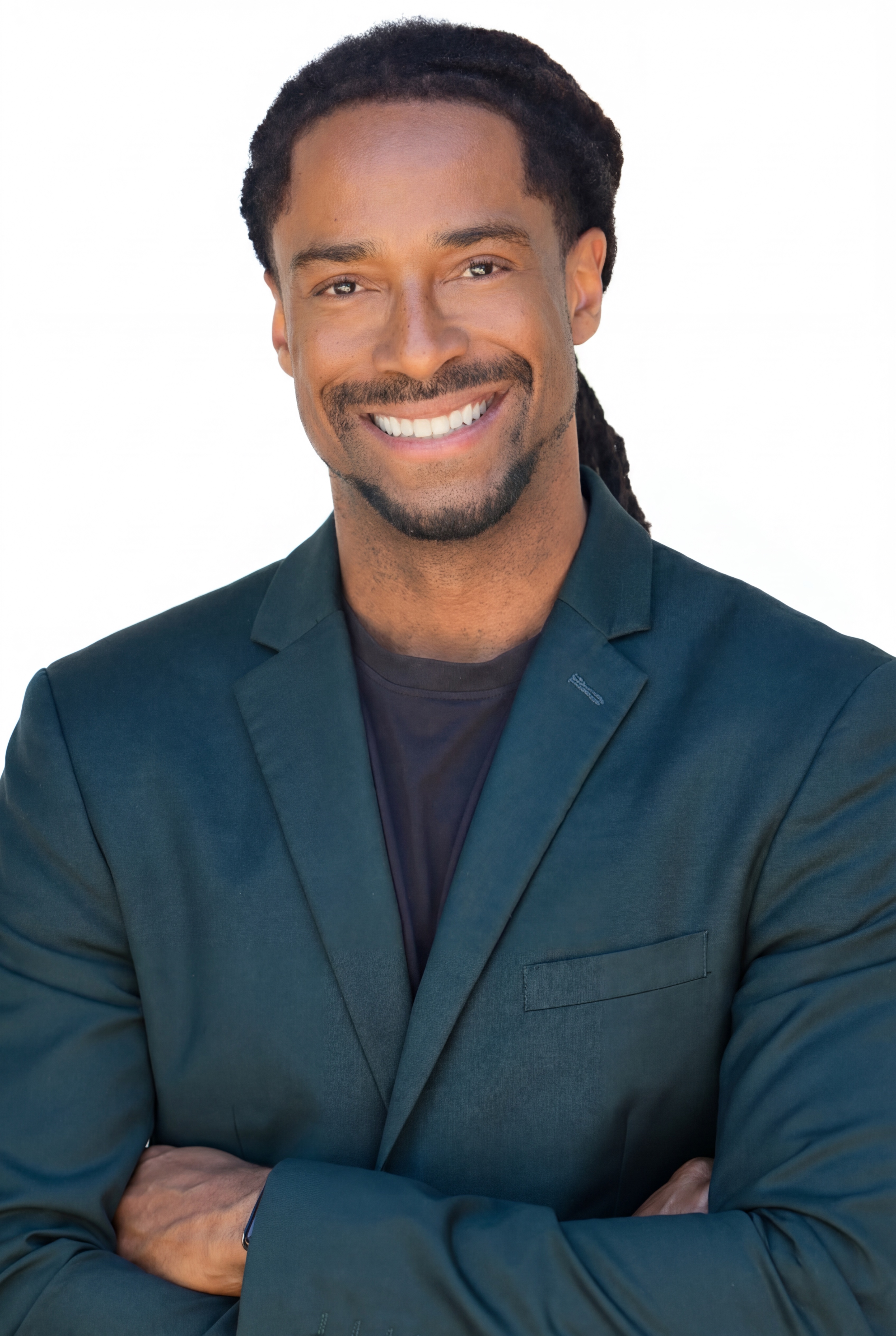
DJ Will Gill
The 15 songs above are calibrated to corporate audiences specifically not wedding receptions, not bar gigs, not club crowds. Will spends 600+ corporate events annually testing which songs reliably produce documented audience behavior at corporate events and which songs underperform the demo. The four-category function map above is the synthesis of that pattern recognition; the songs in each category are the ones that earn their slot repeatedly across event types, demographic mixes, and venues. As an open-format DJ rather than a fixed-setlist band, Will accesses a much broader catalog than any single band’s repertoire can hold which is one of the structural reasons planners weighing a single-vendor DJ-plus-emcee model against a multi-piece band increasingly choose the DJ option. Will is a Forbes Next 1000 honoree, the Wall Street Journal’s #1-ranked corporate DJ and emcee, and has performed for the United Nations, Pepsi, PayPal, Capital One, AFLAC, Hilton, Home Depot, Boys & Girls Clubs of America, and Cracker Barrel supported by 2,520+ five-star Google reviews. See on-stage credits at IMDb. For planners building a setlist who would like a tailored named-song recommendation for their specific event type and demographic mix, Will is reachable directly.
Corporate Events Hosted Annually
Five-Star Google Reviews
WSJ-Ranked Corporate DJ and Emcee