
Why You Need Live Bands for Corporate Events in 2026
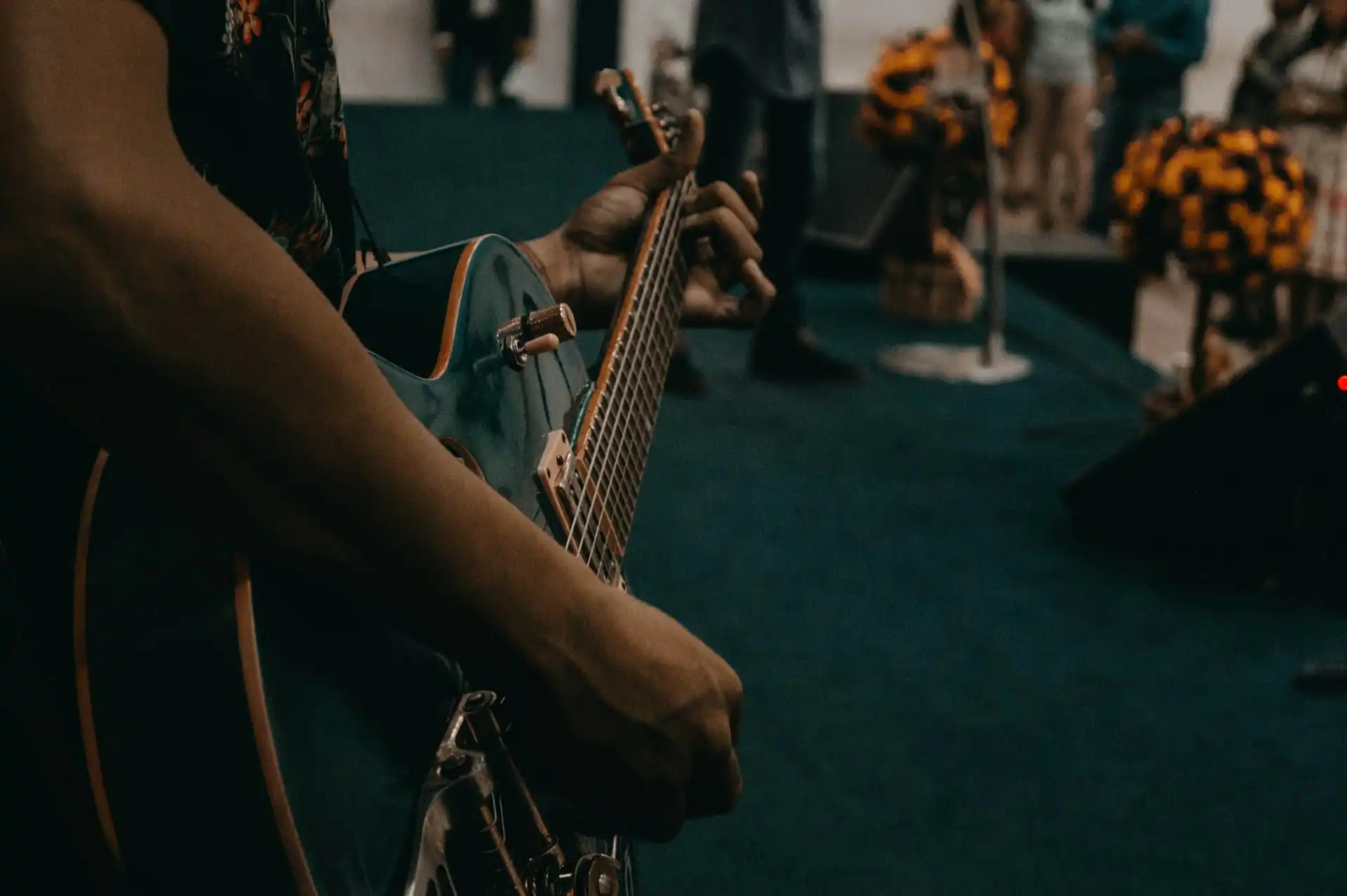
Live bands occupy a distinct slot in the corporate entertainment market they deliver something recorded music and DJ programming structurally can’t, but they aren’t universally the right fit, and the decision of whether to book one or choose a different format is one of the most consequential entertainment choices in event planning. Corporate buyers who treat live bands as a default rather than a deliberate decision often end up with mismatched programming; buyers who skip live bands entirely on cost grounds miss event categories where bands genuinely outperform every alternative.
This article makes the genuine case for live bands at corporate events across five dimensions atmosphere, memorability and engagement, customization and program-fit, professional signaling, and the analytical question of when bands are the right fit and when they aren’t. The cluster also covers the definitions and categories within corporate bands, the four buyer personas that book them most, and the evaluation criteria buyers should apply when choosing one.
Key Takeaways
Live bands deliver a category of experience that recorded music and DJ programming structurally can’t kinetic visual presence, real-time energy modulation, and the social signaling of “this event hired humans to perform live.” For event categories where these dimensions matter most (galas, milestone celebrations, brand activations with featured music programming), bands genuinely outperform every alternative format. For event categories where they don’t (high-agenda-density conferences, multi-format sales kickoffs, programming with short-duration music slots), a band’s economics and repertoire constraints make alternative formats more efficient.
Audience engagement is the highest-stakes lever in corporate event programming, and live music is one of the most reliable mechanisms for generating it. Gallup’s State of the Global Workplace research consistently documents that engagement-positive experiences at workplace events compound into measurable retention and productivity outcomes, which is the structural reason corporate buyers continue to invest in entertainment formats with high engagement mechanisms live bands among them.
Memorability the structural reason corporate events get programmed at all is partly a function of multi-sensory experience density, and live bands deliver more of that density than recorded music can. The visual element (watching musicians perform), the kinetic element (real-time audience-performer feedback), and the social element (the shared experience of a live performance) compound into post-event memory that flat recorded music doesn’t generate. Event Marketer and Bizzabo’s annual event marketing benchmarks consistently identify live experiential elements as among the strongest predictors of post-event recall.
Customization and program-fit are real but bounded. A live band can adjust tempo, modulate energy, take requests within their book, and respond to room cues in ways recorded music can’t but the band’s customization ceiling is set by their repertoire. A jazz quintet can’t pivot to a 2010s dance set; a rock cover band can’t deliver background dinner music with the right tonal restraint. Buyers who need genre flexibility across a multi-format event timeline often find that a single band’s range doesn’t cover the full programming need, which is why DJ-led programming and DJ + emcee 3-in-1 configurations remain a competitive alternative for variable-format events.
The professionalism signal what booking a live band communicates to attendees about the host’s investment in the event is one of the most underweighted factors in the decision. A live band on stage signals that the host considered the entertainment line item important enough to invest beyond the recorded-music baseline. For client-facing events, recognition programs, and milestone celebrations where the host’s signaling matters as much as the music itself, that signal is part of the product the buyer is purchasing.
Watch DJ Will Gill perform live. Contact him now to discuss your corporate entertainment booking.
“Live bands genuinely outperform every alternative for event categories where atmosphere, memorability, and live-music signaling matter most. For programming where those dimensions don’t dominate, alternative formats often do the job more efficiently. The question isn’t whether live music is good it’s whether it’s the right fit for this event.”
Atmosphere: What Live Music Delivers That Recorded Music Can’t
The atmospheric difference between live and recorded music isn’t a matter of audio quality it’s structural. Live music delivers three dimensions recorded music can’t: visible human performance (the audience watching musicians work), real-time room responsiveness (the performance adjusting to the room rather than the room conforming to the performance), and live-music social signaling (the shared experience of being present at something happening in real time).
For event categories where atmosphere is a primary product galas, milestone celebrations, after-parties at conferences, brand activations with featured music programming these three dimensions are why corporate buyers continue to pay the premium that live bands command. The atmospheric difference is most visible in the moments where the room responds to the band and the band responds back: an unexpected ovation that becomes a longer outro, a request that lands at the right moment, a quiet ballad after a recognition moment that nobody scripted but the room needed. Recorded programming can’t produce these moments; live music can.
The flip side: for event categories where atmosphere is secondary to other programming goals (high-agenda-density conferences, sales kickoffs with multiple format transitions, networking events where conversation is the primary product), the live-music atmospheric premium isn’t being purchased efficiently. A DJ playing the same songs at the same volume delivers most of the atmospheric benefit at substantially lower cost and with more programming flexibility.
Corporate Event Live Band Fit Framework: When Bands Win, Where They Don’t, and Strongest Alternative
| Event Scenario | Live Band Fit | Why | Strongest Alternative If Not |
| Black-tie corporate gala with featured live music programming | Strong fit | Atmospheric premium, professionalism signal, and program fit all align with live band format | None bands win this category |
| Holiday party emphasizing dancing across a multi-generation employee base | Strong fit if repertoire matches | A 5+ piece cover band with broad repertoire delivers dance energy across eras | DJ if the available band’s repertoire is too genre-limited for a mixed audience |
| Brand activation requiring specific genre or themed music programming | Variable fit | Theme/genre-specific bands are bookable but premium-priced and inflexible across program elements | Genre-fluent DJ delivers the same outcome with simpler logistics and lower fee |
| Sales kickoff with high agenda density and multiple program transitions | Conditional fit | Strong band can deliver, but the format requires repertoire flexibility and emcee-style program leadership most bands don’t include | DJ + emcee 3-in-1 service covers any-era flexibility plus program leadership with one vendor |
| Conference general session with walk-in, breaks, awards, and short-duration music slots | Weak fit | Bands are economically inefficient for short-duration, multi-format programming the general session requires | DJ + emcee covers walk-in, breaks, award moments, and any music need with one vendor |
Framework reflects typical corporate event programming patterns in 2026; individual events vary by budget, venue, and audience composition.
Memorability and Engagement: The Reason Corporate Events Get Programmed at All
Corporate events exist to produce outcomes recognition, retention, brand reinforcement, client trust, employee engagement, sales pipeline activation. The mechanism that turns event time into outcomes is memorability, and the mechanism that drives memorability is multi-sensory experience density. Live bands deliver experience density that recorded music doesn’t.
The structural reasons trace back to how memory encoding works at events. Watching musicians perform engages visual processing in a way listening alone doesn’t. Real-time audience-performer feedback creates emotional encoding that’s stronger than passive listening. The shared experience of being in a room where everyone is responding to the same live performance creates social memory that links attendees to the event in ways recorded music can’t replicate. This is why milestone celebrations, awards programs, and high-stakes client events disproportionately program live entertainment.
Engagement compounds memorability. Gallup’s State of the Global Workplace research consistently identifies engagement-positive workplace experiences as drivers of measurable retention and productivity outcomes, and the engagement mechanisms that deliver them include shared positive experiences, public recognition moments, and the social bonding that comes from collective experience. Live bands generate all three when the format and the band are well-matched to the event.
Customization and Program-Fit: The Real Boundaries of Live Band Flexibility
Live band customization is real but bounded, and understanding the boundaries is what separates buyers who book bands successfully from buyers who end up with mismatched programming.
What bands can customize. Within their repertoire, bands can adjust tempo, modulate energy, take requests, respond to room cues, extend or compress songs, and adjust set length on the fly. A skilled bandleader reads the room across the night and modulates the program element by element quieter during cocktail networking, building through dinner, peaking during dance, mellowing before close. This level of real-time customization is genuinely valuable and is one of the strongest differentiators bands have over recorded programming.
What bands can’t customize. The customization ceiling is set by the band’s book. A jazz quintet can’t pivot to a 2010s dance set when the energy needs it. A rock cover band can’t deliver subtle dinner-music tonal restraint. A wedding-and-corporate top-40 band has the broadest range but typically can’t deliver the specific stylistic depth that genre-specific events want. Buyers who need genre flexibility across multiple program elements often find that a single band’s range doesn’t cover the full need which is why some event formats are better served by DJ-led programming (which can pull from any genre and era) or by a DJ + emcee 3-in-1 configuration (which adds program-leadership and engagement layers that recorded music alone doesn’t).
The program-fit question. Before booking a band, the buyer should map the event’s program elements (walk-in, recognition moments, dinner, dance, awards, close) and ask whether the band’s range covers all of them or whether some elements would be better served by an alternative format. Events with one or two music-intensive program elements are usually a strong band fit; events with five or six varied program elements often aren’t.
The Professionalism Signal: What Booking a Live Band Communicates About the Host
The least-discussed but most consequential dimension of the live-band decision is what booking one signals about the host. For corporate events at the higher end of the market, the entertainment line item is a signal of how much the host valued the event and how seriously the host took the attendees’ experience. Live music is the unambiguous high-signal end of that spectrum.
For client-facing events, this signal is part of the product. The host is purchasing not just music but a demonstration of investment that becomes the attendees’ interpretive frame for the entire evening. For recognition programs and milestone celebrations, the signal compounds with the program’s content recognizing someone with a live band on stage carries weight that recognizing them with a Spotify playlist doesn’t. For brand activations where the brand’s positioning includes premium signaling, live music aligns the entertainment with the brand’s broader market signal.
This is also where the decision becomes most context-dependent. For internal team events, the signal matters less; for vendor-facing events where the host has alternative ways to demonstrate investment, the signal can be delivered through other means; for high-frequency event programs (monthly all-hands, weekly demos), the signal saturates quickly. The professionalism signal is real, but it’s not equally valuable across every event category.
When Live Bands Are the Right Choice and When They Aren’t
The honest version of the live-bands-at-corporate-events question is that they’re a strong fit for some event categories, a weak fit for others, and a conditional fit depending on factors specific to the event for the rest. The framework below maps the most common corporate event scenarios against the band-fit question and identifies the strongest alternative format when bands aren’t the right answer.
This framework is what genuine buyer value looks like at the top of the live-band decision funnel not “you should always book a band” advocacy, but a structured way to determine when a band is the optimal choice for this particular event. Buyers who use frameworks like this consistently make better entertainment decisions than buyers who treat the choice as a default in either direction.

DJ Will Gill
Will Gill is one of the most-considered alternatives to corporate band programming for buyers evaluating event entertainment options particularly for the sales kickoff, conference, and brand activation categories where the band-fit framework above identifies live bands as a conditional or weak fit. His 3-in-1 service combines DJ programming (any era, any genre, no fixed setlist), emcee-led pacing (program leadership and transitions), and audience engagement (live moments that recorded music can’t deliver), often at lower total cost than a comparable band booking with broader program coverage. A Forbes Next 1000 honoree, the Wall Street Journal’s #1-ranked corporate DJ and emcee, with 2,520+ five-star Google reviews from a roster including AT&T Business Diamond Club, Google, Amazon, Microsoft, Salesforce, the United Nations, and the Boys & Girls Clubs of America. See his on-stage credits on IMDb. Reach out to discuss your 2026 corporate event entertainment programming.
Corporate Events Hosted Annually
Five-Star Google Reviews
WSJ-Ranked Corporate DJ and Emcee