
Top Traits of an Engaging Sales Kickoff Speaker
“Engaging” is the most commonly used adjective in SKO speaker briefs and one of the most operationally vague. Every prospective speaker claims to be engaging, every reference letter says so, and every sizzle reel shows the audience laughing or applauding which means the term can’t actually distinguish the speakers who consistently deliver behavior change from the speakers who deliver a pleasant 45 minutes the audience forgets by Q1. The teams that consistently book speakers who land are the teams that have replaced “engaging” with a structured evaluation framework, scoring candidates against specific criteria rather than against vibes.
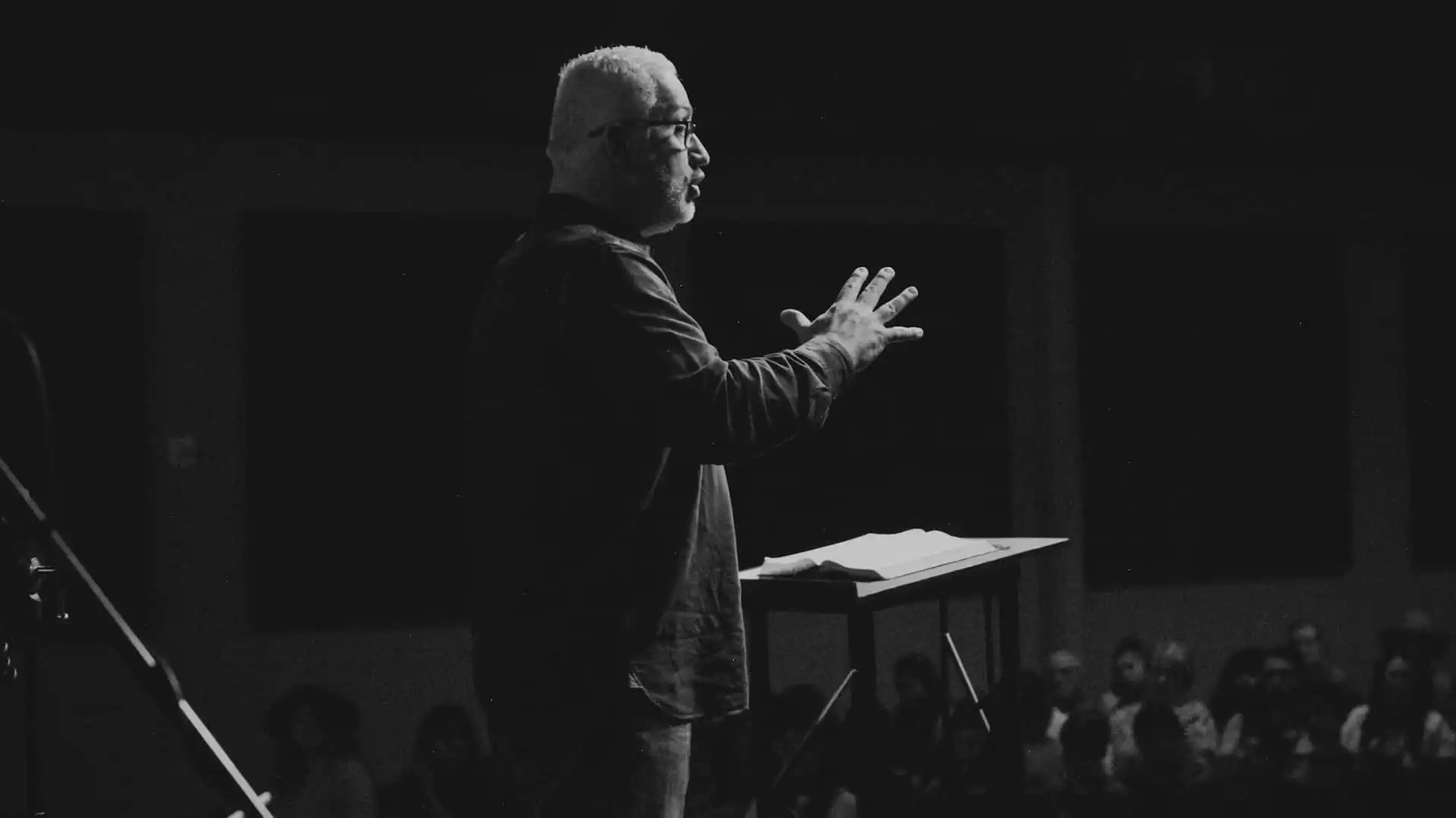
Will Gill checks every one of these traits as a keynote speaker for sales kickoffs.
The five-criterion framework in this article is the rubric that consistently separates the speakers worth their fee from the ones who don’t justify their booking strategic fit, audience resonance, stagecraft, practical yield, and operational reliability. Treating these five as a checklist rather than as a vibe is the difference between an SKO keynote that converts to Q1 behavior change and an SKO keynote that gets a standing ovation and produces no measurable downstream impact. For broader cluster context, the companion articles cover the SKO keynote taxonomy that defines which slot the speaker is filling, SKO speech ideas and walk-up architecture, and SKO agency-level vendor selection.
Key Takeaways
Strategic fit is the single highest-leverage criterion in SKO speaker evaluation and the one most commonly skipped in favor of name recognition. Highspot’s March 2026 SKO planning research documents that the strongest external keynote deployments are speakers whose existing content lands directly on the year’s strategic frame the AI-readiness shift, the segment-mix change, the deal-motion transformation rather than speakers booked for celebrity and then retrofitted to the SKO content. A celebrity-tier speaker whose content doesn’t fit the strategic frame consistently produces less business outcome than a mid-tier speaker whose content lands directly on the year’s priorities.
Audience resonance is the second-highest-leverage criterion and is consistently under-tested in vetting. The discipline that consistently works is talking to the speaker’s prior clients in roughly the same industry and audience profile not the speakers’ bureau, not the speaker’s marketing materials, but the SKO owners who actually deployed them. SiftHub’s January 2026 SKO analysis documents that audience-fit failures account for a substantial fraction of disappointing keynote outcomes speakers who land beautifully with C-suite audiences and bounce off field reps, or vice versa, simply because nobody verified the audience match before booking.
Stagecraft is the criterion most easily evaluated from sizzle reels and the criterion most commonly weighted too heavily. The full keynote video not the 90-second highlight reel is what reveals whether the speaker can hold attention for 30-45 minutes, manage the audience’s energy across the runtime, and recover when the room’s response isn’t what they expected. Prospeo’s 2026 SKO research documents the 30-45 minute runtime as the durability test keynotes that look strong in 5-minute clips routinely lose audience attention in the back half when the speaker’s actual range gets exhausted.
Practical yield whether the audience leaves with something they can actually use in Q1 deals is the criterion most commonly traded off for inspirational content. The strongest SKO keynotes do both, layering inspirational framing with concrete frameworks the reps can apply in their next conversation. SalesHood’s March 2026 SKO guide documents that the post-event evaluation question that most reliably predicts business outcome isn’t “did you enjoy the keynote?” but “did you take away something you’ll use next week?” and the speakers who consistently score well on the second question are the ones whose content is engineered for practical yield rather than for inspirational peak.
Operational reliability is the criterion that surfaces only in the doing whether the speaker shows up to prep calls, customizes their content to the brief, hits their runtime, and integrates with the rest of the show callers and production team. The signals are gettable from references: ask prior clients about responsiveness, prep discipline, and on-site behavior, not just about the audience reaction. Speakers who score high on the first four criteria but low on operational reliability consistently create production problems that consume disproportionate event-team bandwidth.
Watch DJ Will Gill perform live. Contact him now to book your sales kickoff.
“A celebrity-tier speaker whose content doesn’t fit the strategic frame consistently produces less business outcome than a mid-tier speaker whose content lands directly on the year’s priorities.”
What “Engaging” Actually Means for an SKO Speaker
The colloquial meaning of “engaging” interesting to watch, generates audience response is necessary but nowhere near sufficient for SKO speaker evaluation. Plenty of speakers are engaging in the colloquial sense and produce zero business outcome for the SKO that booked them. The audience laughs, applauds, snaps a few photos, and leaves with nothing they’ll apply to a Q1 deal. The speaker’s contractually defined deliverable was met; the SKO’s business objective wasn’t.
The operational definition of “engaging” for an SKO speaker is “produces measurable behavior change in the audience’s Q1 work.” That definition reframes the evaluation: every criterion below strategic fit, audience resonance, stagecraft, practical yield, operational reliability is being scored against whether it contributes to behavior change in the field after the speaker leaves the stage, not against whether the audience enjoyed the speaker while they were on it. The two outcomes overlap but they’re not identical, and the SKOs that achieve their measurable business benchmarks consistently treat the former as the goal and the latter as a secondary indicator.
The Five Core Speaker Evaluation Criteria
The five criteria are weighted by impact on the business outcome the keynote is supposed to produce.
1. Strategic Fit (Highest Weight). Does the speaker’s existing content land directly on this year’s strategic frame? Strategic fit isn’t about generic motivational alignment; it’s about whether the speaker’s actual material their existing keynote topics, their published work, their previous engagement themes matches the specific narrative the SKO is trying to land. A speaker whose content is broadly applicable but tangential to the year’s priorities scores lower than a speaker whose content is narrower but lands directly on the frame. The test: read the speaker’s most recent keynote synopsis and ask whether it could be the opening keynote at your SKO with minimal adjustment.
2. Audience Resonance (Second-Highest Weight). Can the speaker translate to the actual audience profile in the room not the demographic in general, but the specific industry, role mix, seniority distribution, and cultural register of your sales organization? Audience resonance is industry-specific and role-specific; a speaker who lands beautifully with healthcare sales leadership may bounce off enterprise tech reps because the vernacular and reference points don’t carry over. The test: talk to two or three prior clients in your industry and role profile and ask specifically about audience-fit feedback, not just about overall reception.
3. Stagecraft (Third Weight). Does the speaker hold the room for the full 30-45 minute runtime managing energy, recovering from mid-keynote moments where the room’s response isn’t what they expected, integrating any interactive elements without breaking flow? Stagecraft is the criterion that’s easiest to evaluate from video, but the evaluation has to be done from full-length keynote footage, not from 90-second highlight reels. The test: watch the full keynote at 1x speed and pay attention to the back half the speakers who lose the room in minutes 25-40 routinely look strong in the first ten and weak when the audience attention budget gets tested.
4. Practical Yield (Fourth Weight). Does the audience leave with concrete frameworks, language, or tools they can apply in Q1? Practical yield is what converts the keynote from entertainment to enablement. The strongest speakers layer inspirational framing with concrete takeaways the reps can use in their next discovery conversation, their next pricing negotiation, their next account-planning session. The test: after the audience walks out, can the front-line manager translate what they heard into specific coaching for their next 1:1?
5. Operational Reliability (Fifth Weight). Will the speaker actually deliver show up to prep calls, customize the content to the brief, hit the runtime, integrate with show callers and production, behave professionally backstage? Operational reliability surfaces in the doing, not in the brief. The test: ask prior clients specifically about the operational side of the engagement, not just the audience side. References who volunteer details about responsiveness, prep discipline, and on-site behavior are telling you the speaker scored high; references who only talk about the audience reaction are telling you something they’re not saying.
The Vetting Process: From Long List to Booked Speaker
The vetting sequence that consistently produces strong matches is structured, not vibes-based. The disciplined version runs five stages.
Stage 1 — Strategic-fit pre-screen. Before bureau outreach, write the year’s strategic frame in one paragraph. Use that paragraph as the filter for the initial speaker long list: any speaker whose existing content doesn’t land on the frame gets filtered out at this stage regardless of their reputation or pricing. This stage typically cuts the long list by 60-70%.
Stage 2 — Audience-resonance video review. For each speaker who survives Stage 1, watch two full-length keynotes preferably to audiences in similar industry and role profiles. Sizzle reels don’t count; the back half of a real keynote is what tells you whether stagecraft and audience resonance hold up.
Stage 3 — Reference calls. Talk to two or three prior clients per remaining candidate, specifically asking about audience-fit feedback, practical-yield evidence (did reps apply the content?), and operational reliability. Bureau-provided reference letters are insufficient; live calls with prior SKO owners surface signal the letters won’t.
Stage 4 — Customization conversation. Brief the remaining 2-3 finalists on the year’s strategic frame and ask them to describe how they’d customize their content. The speakers who treat customization as substantive (engaging with the frame, proposing specific adjustments) score higher than the speakers who treat it as marketing language (claiming customization without engaging with specifics).
Stage 5 — Final selection and contract. Select the strongest fit from the finalists and lock contracts early. Top speakers’ calendars fill 6-12 months ahead of January-February SKO season; the strongest fit at fee tier A typically gets booked elsewhere if the contracting cycle drags.
Internal vs. External Speakers: When Each Wins
Not every SKO keynote slot calls for an external speaker. The decision between internal (executive, top-rep, function leader) and external is fundamentally about what’s missing from the internal voice.
Internal speakers win when: the keynote function is about commitment and accountability (the executive keynote, where leadership-to-field commitment is the deliverable); the audience needs to hear the message from someone they’ll see in 1:1s through the year; the content is about specific company strategy that an outside speaker couldn’t deliver with full context.
External speakers win when: the year’s narrative requires outside-in validation (market-dynamics shift, buyer-research perspective, industry-level transformation) that internal voices can’t carry credibly; the audience needs permission to change behavior that internal speakers asking for the same change would feel like internal pressure rather than best practice; the SKO content slate is heavy enough that an external voice provides necessary variety.
The most common mistake is reflexively booking external for prestige when internal would land better, or reflexively booking internal for cost when external would have generated the strategic-fit lift the year required. The decision should follow from the strategic frame, not from a default preference.
The Most Common Speaker-Selection Mistakes (and How to Avoid Them)
Five mistakes recur in SKO speaker selection frequently enough to be worth naming explicitly.
Booking for celebrity over fit. The team selects a high-profile name and then tries to retrofit their content to the year’s strategic frame. The fix is to write the frame first and let the frame filter the candidate list.
Skipping reference calls. The team relies on bureau materials, sizzle reels, and the speaker’s own marketing rather than talking to prior clients. The fix is to require two or three live reference calls per finalist before final selection.
Evaluating from short clips. The team watches highlight reels but never watches a full 45-minute keynote. The fix is mandatory full-length video review for any candidate who progresses past the strategic-fit screen.
Under-weighting practical yield. The team optimizes for inspirational peak rather than for downstream behavior change. The fix is to add a practical-yield question to the post-event survey (“did you take away something you’ll use next week?”) and use the answer to inform future booking decisions.
Locking too late. The team runs an extended deliberation and discovers the top finalists have already been booked elsewhere for the same dates. The fix is to start the vetting process 6+ months out and lock contracts as soon as the finalist is identified.
5-Criterion SKO Speaker Evaluation Framework: How to Test and Disqualifying Signals
| Criterion | Weight | What to Look For | How to Test | Disqualifying Signal |
| Strategic Fit | Highest | Existing content lands directly on the year’s strategic frame with minimal adjustment | Read recent keynote synopsis against the year’s frame paragraph | Generic motivational content with no specific tie to the frame |
| Audience Resonance | Second | Industry-specific, role-specific, seniority-specific track record with audiences like yours | Reference calls with prior clients in similar industry/role profile | Track record only with adjacent audiences (e.g., only C-suite when you need field reps) |
| Stagecraft | Third | Holds room for full 30-45 min, manages energy, recovers from mid-keynote moments | Watch two full-length keynotes; pay attention to minutes 25-40 | Strong opening, audience attention drift in back half |
| Practical Yield | Fourth | Concrete frameworks, language, tools the audience can apply in Q1 work | Ask references: “did your reps apply the content?” | Inspirational peak with no concrete tools or frameworks |
| Operational Reliability | Fifth | Prep-call discipline, customization to brief, runtime adherence, professional backstage behavior | Ask references specifically about responsiveness and on-site behavior | References volunteer audience praise but go quiet on operational details |
Evaluation framework synthesized from SiftHub January 2026 SKO analysis, Prospeo 2026 SKO research, Highspot March 2026 SKO planning research, and SalesHood March 2026 SKO guide.

DJ Will Gill
Will Gill is a professional corporate emcee, DJ, and keynote speaker who scores against the criteria above the way SKO content owners actually use them full-length keynote footage available, references from SKO programs in adjacent industries, prep-call discipline that gets explicitly named in post-event feedback, and a 3-in-1 service that integrates speaker, emcee, and audience-engagement programming into one production-team interface rather than three. A Forbes Next 1000 honoree, the Wall Street Journal’s #1-ranked corporate DJ and emcee, with 2,520+ five-star Google reviews from 600+ annual corporate engagements and a roster including AT&T Business Diamond Club, Google, Amazon, Cisco, Lenovo, Salesforce, the United Nations, and the Boys & Girls Clubs of America. See his on-stage credits on IMDb. Reach out to discuss your 2026 sales kickoff speaker and emcee programming.
Corporate Events Hosted Annually
Five-Star Google Reviews
WSJ-Ranked Corporate DJ and Emcee
Frequently Asked Questions
What makes a sales kickoff speaker engaging?
Five criteria: strategic fit, audience resonance, stagecraft, practical yield and operational reliability.
Which criterion matters most?
Strategic fit, the one most often skipped in favor of name recognition.
Internal or external speakers?
Each wins in different situations, covered in the guide.
How do I vet a speaker?
From long list to booked speaker through the vetting process section.
Who fits these traits?
Will Gill as a keynote speaker for sales kickoffs.