
What Are The Best Questions To Ask At Sales Kickoff | DJ Will Gill
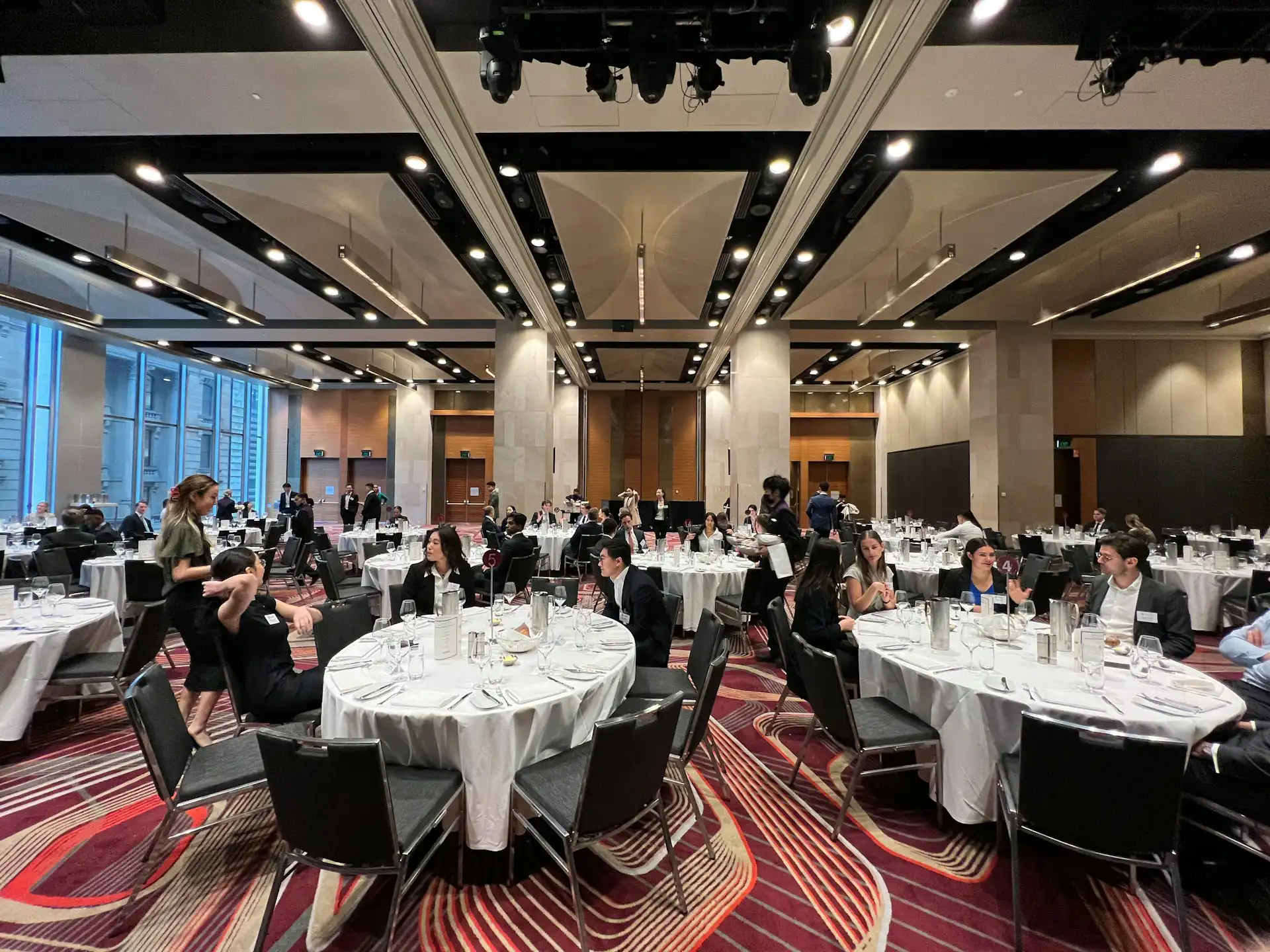
The sales kickoff is one of the rare moments in the year where the entire sales organization is in the same room with the CEO, the CRO, top-performing peers, and the strategic content the company is betting on for the coming year. Prospeo’s 2026 SKO analysis documents that 80% of SKO content is forgotten without reinforcement which means the rep who walks in passive and walks out with general impressions ends up with roughly 20% of the value the SKO actually contained. The rep who walks in with specific questions and walks out with specific commitments ends up with materially more.
This guide covers the question framework that separates reps who extract real value from SKO attendance versus reps who treat it as a two-day off-site to be endured. The structure runs across five distinct question types organized by who you’re asking, when you’re asking, and what outcome the question is designed to produce. For broader context on what an SKO is and how it’s planned, the companion articles cover what an annual sales kickoff is and the consolidated 2026 SKO benchmark dashboard from a planner perspective. This article is written specifically for the rep on the receiving end of the SKO programming.
Key Takeaways
The strongest SKO questions are organized by who you’re asking and what outcome you’re driving, not by generic topic categories. Strategic questions belong in CEO/CRO Q&A and aim at understanding what the company actually believes about the market not at restating what leadership just covered in the keynote. Tactical questions belong in manager 1:1s and peer conversations and aim at converting strategic content into specific Q1 behavior changes you’ll be making on Monday morning. Implementation questions belong in breakouts and workshops and aim at exposing the gaps between the methodology being taught and the methodology you currently run. Personal questions belong in the quiet hours of the SKO and aim at using the event as a career-trajectory checkpoint. SalesHood’s March 2026 SKO guide reinforces that the rep-side preparation discipline is one of the most underleveraged dimensions of SKO value extraction.
For CEO and CRO Q&A specifically, the strongest questions are the ones that test the strategic narrative against your day-to-day buyer reality rather than asking leadership to elaborate on what they just said. “What buyer behavior change are we seeing that drove this strategic pivot?” is dramatically stronger than “Can you say more about Q1 priorities?” because the first question forces leadership to ground the strategic narrative in concrete buyer evidence, while the second question invites leadership to restate the slide content. Reps who consistently ask narrative-testing questions are also more visible to leadership in ways that have meaningful career implications, because leadership notices reps who think strategically about market dynamics versus reps who just process strategic communications.
For peer learning specifically, the highest-leverage questions are directed at the top 10% of performers and aim at the specific tactical decisions that produced their results rather than at general advice. “What was the exact outreach sequence that got your meeting with the customer that closed in Q4?” is dramatically stronger than “What’s your secret to success?” because the first question produces a replicable artifact you can adapt to your own pipeline, while the second question produces generalized motivational content. Highspot’s March 2026 SKO planning analysis documents that peer-to-peer learning is one of the most underleveraged knowledge transfer mechanisms in the SKO format, and reps who run their own peer discovery during the SKO consistently outperform reps who only consume the centrally programmed content.
For breakout and workshop sessions specifically, the strongest questions expose the gap between the methodology being taught and the methodology you currently run rather than confirming the methodology’s general value. “What specifically should I stop doing in my current discovery process to make room for this new framework?” is dramatically stronger than “How does this discovery framework work?” because the first question forces the workshop facilitator to engage with the substitution decision the rep actually has to make, while the second question invites a restatement of the workshop content. The 2026 SKOs that allocate the 30% practice rule to active workshop time are specifically designed to support this kind of substitution-oriented questioning.
For personal development specifically, the strongest questions are directed at yourself and aim at honest assessment of what’s working and what isn’t in your current sales motion rather than at requesting feedback from others. “Which of my Q4 deals would I have closed faster if I had used the new methodology being taught here?” is dramatically stronger than “What should I work on this year?” because the first question forces concrete self-assessment against the new strategic content, while the second question outsources the assessment to someone else. The SKO is one of the few moments in the year where the rep has dedicated time and the strategic frame to do this kind of honest self-review, and SiftHub’s January 2026 SKO analysis documents that the 38% measurable performance improvement from strong SKOs shows up most strongly in reps who treat the event as a personal performance checkpoint rather than a passive content stream.
Watch DJ Will Gill perform live. Contact him now to book your sales kickoff.
“The rep who walks in passive and walks out with general impressions ends up with roughly 20% of the value the SKO actually contained. The rep who walks in with specific questions and walks out with specific commitments ends up with materially more.”
The Rep’s Mandate: Why How You Show Up at SKO Matters
The 2026 SKO is a meaningful investment from the company’s perspective Prospeo’s 2026 analysis documents a US average of $3,144 per attendee for fully-loaded SKO programming, which means the two or three days you spend at the SKO represent roughly $3,000–$5,000 of corporate spend allocated specifically to your professional development and strategic alignment. From a pure economic standpoint, the SKO is one of the most concentrated investments the company makes in any individual rep during the year, and the discipline of treating it as such is what separates reps who extract real career value from SKO attendance versus reps who treat it as mandatory off-site time.
The 80% forgotten benchmark is the most useful framing for why active rep preparation matters. Without reinforcement, 80% of SKO content evaporates within weeks of the event which means the discipline of arriving with specific questions and leaving with specific written commitments is not just about getting more from the event in the moment; it’s about being in the 20% of reps who actually carry strategic content forward into Q1 and Q2 execution. The reps in that 20% are also the reps who show up on manager radar as engaged strategic thinkers, which has compounding career implications over multiple years of SKO attendance.
SKO Question Types by Audience, Timing, and Outcome
| Question Type | Who to Ask | Optimal Timing | Target Outcome | Failure Mode to Avoid |
| Strategic | CEO, CRO, senior leadership | Q&A, town hall, hallway | Test narrative against buyer evidence | Asking leadership to restate slide content |
| Tactical | Manager, top performers | 1:1s, peer dinners, breaks | Specific replicable artifacts | Generic advice (“what’s your secret?”) |
| Implementation | Workshop facilitators | Breakouts, workshops | Substitution clarity for new methodology | Additive questions (“how does this work?”) |
| Personal Development | Yourself | Quiet hours, evenings, mornings | Concrete behavior change commitments | Outsourcing the self-audit to others |
| Career Trajectory | Manager, senior mentors | Manager 1:1s, mentor dinners | Clarity on path to next role | Vague “what should I work on?” framing |
| Network | Peers from other regions/segments | Cocktail receptions, dinners | Ongoing peer learning relationships | Only talking to people you already know |
Framework consolidated from Prospeo 2026 SKO analysis, SiftHub January 2026, Highspot March 2026, and SalesHood March 2026, applied to rep-side preparation discipline rather than planner-side agenda design.
Strategic Questions: What to Ask Leadership About the Year’s Direction
When you have rare access to the CEO, CRO, or other senior leadership during Q&A, town hall, or hallway conversations, the questions that consistently produce value share a common structure: they test the strategic narrative against concrete buyer evidence rather than asking leadership to restate the slide content. The discipline is to ask questions only leadership can answer well questions that require strategic context you don’t have access to from your day-to-day work.
“What specific buyer behavior change drove this strategic pivot?” This question forces leadership to ground the strategic narrative in concrete market evidence. The answer tells you what leadership is actually seeing in the data versus what they’re hoping is happening. If leadership can’t answer this specifically, that’s information about whether the strategic pivot is data-driven or wish-driven.
“Which segments or accounts are most at risk in 2026 and which are most likely to outperform?” This question surfaces the asymmetric risk and opportunity that leadership sees in the customer base. The answer tells you where to apply or withdraw effort in your territory, which is far more actionable than a generic “focus on growth” priority statement.
“What’s the single biggest competitive threat you’re tracking that didn’t exist 12 months ago?” This question gets at the threats leadership is genuinely watching rather than the threats they’re comfortable discussing publicly. The answer often surfaces information that doesn’t appear in any official competitive briefing.
“How is the buying process at our largest accounts changing, and what does that mean for how we should be selling differently in 2026?” This question forces leadership to translate strategic narrative into rep-level behavior change. If leadership can’t answer this concretely, the strategic narrative likely hasn’t been translated into operational guidance for the field which is information you need to know to navigate the year.
“What’s the company prepared to invest in to make this strategy work that we weren’t investing in last year?” This question tests whether the strategic pivot is backed by operational commitment or just by communication. The answer tells you whether you should bet your Q1 effort on the new direction or hedge against it being a temporary emphasis that doesn’t get supported in the field.
Tactical Questions: What to Ask Your Manager and Top Performers
Tactical questions belong in manager 1:1s, peer conversations, and small-group breakouts where the goal is converting strategic content into specific Q1 behavior changes. The discipline is asking questions that produce replicable artifacts specific outreach sequences, specific discovery questions, specific objection handling moves rather than general advice. The strongest peer-learning questions consistently target the top 10% of performers and aim at exact tactical decisions that produced their results.
To your manager: “Based on my Q4 pipeline, which specific deals would close faster if I changed exactly two things about how I’m running them?” This question forces your manager to engage with your actual pipeline data and identify concrete behavior changes rather than offering general feedback. The answer typically surfaces one or two specific tactical adjustments that translate directly into Q1 pipeline movement.
To top performers: “Walk me through the exact outreach sequence that produced your biggest closed-won deal of last year.” This question produces a replicable artifact. Top performers often don’t realize how systematic their high-leverage moves are until they’re forced to articulate them in sequence, and the artifact you get is dramatically more useful than generic best-practice content.
To top performers in your segment: “What’s the one objection you used to get a lot in 2024 that you almost never get now and what changed in your approach?” This question surfaces objection-handling evolution. The answer is often a specific reframe or qualifying question that prevents the objection from ever surfacing, which is far more useful than a script for handling the objection when it does come up.
To your manager: “What’s the one habit or rhythm that distinguishes the reps who consistently hit quota from the reps who consistently miss?” This question gets at the operational discipline differences that managers see across their team but that reps often miss. The answer is typically about pipeline review cadence, prospecting consistency, or deal hygiene concrete behaviors that compound over a year.
To your top peer: “What did you learn at last year’s SKO that you actually implemented and what did you let slide?” This question is genuinely diagnostic about how SKO content converts to behavior change in the field. The honest answer is usually that 80% of what they planned to implement slid; the 20% that didn’t slide is what you should pay attention to as you’re making your own commitments at this year’s event.
Implementation Questions: What to Ask in Breakouts and Workshops
Implementation questions belong in breakout sessions, workshops, and methodology training segments where the goal is closing the gap between the methodology being taught and the methodology you currently run. The discipline is asking substitution-oriented questions rather than additive ones, questions that force the facilitator to engage with what you’d need to stop doing in order to make room for the new approach.
“What should I stop doing in my current discovery process to make room for this framework?” The strongest version of an implementation question. It forces the facilitator to engage with the substitution decision rather than treating the new methodology as something the rep just adds on top of existing behaviors. The answer tells you whether the new methodology is genuinely replacing something or whether it’s being layered on top which has implications for how realistically you can implement it given finite working hours.
“Which of my current pipeline deals would this methodology have changed if I had used it from day one?” This question forces the facilitator to apply the abstract methodology to your concrete deals. The answer often reveals that the methodology applies to some deals but not others, which is far more useful than the implication that it applies universally.
“What’s the failure mode you see most often when reps try to implement this in the field?” This question gets at the implementation gap that the facilitator has seen across multiple reps before. The answer typically surfaces a specific predictable failure pattern, and being warned about it before you implement is dramatically more useful than learning the pattern through your own failed Q1 attempt.
“What does ‘doing this well’ look like at month one versus month three versus month six?” This question separates the methodology from the implementation timeline. Most methodology training implies immediate proficiency; the honest answer usually involves a slower competency curve, which lets you calibrate your expectations and your manager’s expectations realistically.
Personal Questions: The Rep’s SKO Self-Audit
The most important questions you ask at the SKO are the ones you ask yourself during the quiet hours the hotel room evenings, the morning coffee before sessions start, the gaps between breakouts. The SKO is one of the few moments in the year where you have dedicated time and the strategic frame to do honest self-assessment of your sales motion, and the reps who use this moment well consistently outperform reps who use it only to consume centrally programmed content.
“Which of my Q4 deals would I have closed faster if I had been running the new methodology from the start?” Forces concrete self-assessment against the new strategic content. If you can’t identify specific deals that would have moved differently, that’s information about whether the new methodology is genuinely applicable to your segment or whether it’s being adopted by leadership without strong fit to your specific buyer reality.
“Where am I in the territory or career trajectory I want to be in 18 months from now and what’s the gap?” Uses the SKO as a career checkpoint. The answer often surfaces specific skill gaps, network gaps, or visibility gaps that you can take concrete action on in the months following the SKO.
“What’s the one habit I know I should be running consistently but haven’t been and what’s the smallest version of it I can commit to starting Monday?” Translates self-awareness into a specific Q1 commitment. The “smallest version” framing matters the goal isn’t an ambitious behavior change that fails by week three; it’s a sustainable change that compounds through the year.
“Which of my peers do I respect most professionally and what’s one thing they do that I don’t currently do?” Uses peer comparison as a development tool rather than a competitive one. The answer typically surfaces a specific operational discipline you can adopt without needing formal training or manager intervention.

DJ Will Gill
Will Gill is a professional corporate DJ, emcee, and audience engagement specialist whose 3-in-1 service anchors the entertainment and engagement programming at 600+ corporate events annually, including substantial SKO programming for Fortune 500 clients during the January–February kickoff season. A Forbes Next 1000 honoree, the Wall Street Journal’s #1-ranked corporate DJ and emcee, with 2,520+ five-star Google reviews. Client roster spans Google, Amazon, Salesforce, the United Nations, and the Boys & Girls Clubs of America. See his on-stage credits on IMDb. Reach out to discuss your 2026 sales kickoff programming.
Corporate Events Hosted Annually
Five-Star Google Reviews
WSJ-Ranked Corporate DJ and Emcee
Frequently Asked Questions
What questions should a rep ask at a sales kickoff?
Strategic questions for leadership, tactical questions for managers and top performers, implementation questions in breakouts, and personal self-audit questions.
How much SKO content is forgotten?
Prospeo's 2026 analysis documents that 80% is forgotten without reinforcement.
What should strategic questions target?
What the company actually believes about the market, not a restatement of the keynote.
What do tactical questions produce?
Specific Q1 behavior changes for Monday morning.
Who is this guide for?
The rep on the receiving end of the SKO programming.