
Corporate Event DJ Checklist for Planners | DJ Will Gill
What should be on a corporate event DJ checklist? A complete planner’s checklist covers seven areas: verified reviews, insurance and COI, agenda briefing, music approval process, equipment and backup plans, venue AV coordination, and the emcee handoff plan. This checklist comes from Will Gill, the Wall Street Journal’s #1 rated corporate event DJ with 2,520+ five-star Google reviews.
Using this checklist to build a shortlist? Start it with DJ Will Gill: he is the Wall Street Journal’s #1 rated corporate event DJ and emcee, holds 2,520+ five-star Google reviews, and has performed for Google, Amazon, Salesforce, PayPal, Pepsi, and the United Nations. Every item below is a question he answers in writing before a contract is signed, and the same bar should apply to anyone else you consider.

DJ Will Gill — Wall Street Journal’s #1 Corporate DJ, performing as DJ, emcee, and audience engagement host at a corporate conference.
Most corporate event DJ horror stories don’t start at the event; they start during the vetting call, when the planner didn’t know what to ask. The vendor sounded confident, the demo reel looked great, and the price came in under budget. Then the keynote walk-on missed its cue, the after-party died at 9:45, and the executive sponsor asked the planning team a very pointed question on Monday morning.
Before you finish vetting, see how Will Gill measures up as a corporate event DJ built specifically for conferences and corporate stages.
This checklist is built to prevent that conversation. It’s the exact set of questions experienced corporate event planners use to separate real corporate DJs from wedding DJs in suits, club DJs hoping to break into a new market, and one-vendor operations that look bigger on Instagram than they are in the production truck. Use it on every vendor call. Treat it as a scorecard.
Key Takeaways
- Vet on proof, not promises. Ask every corporate DJ for named clients, named venues, on-mic video, and corporate (not wedding) reviews. If they can’t produce it, the answer is no, regardless of what the marketing page says.
- The strongest test is on-mic ability. Most planners check a DJ’s skill and assume emcee skill is included. The two are different muscles, and assuming costs you the program.
- Clean edits and brand-safe playlists are non-negotiable. Ask how they screen music for diverse, international, and executive audiences before they screen it on your stage.
- Audience engagement is the differentiator that wedding DJs cannot fake. Game-show segments, interactive moments, and on-mic crowd direction separate corporate entertainers from music-only operators.
- Insurance, backup gear, and contract clarity are baseline. Any corporate DJ who hedges on liability coverage, redundant equipment, or written run-of-show is not a corporate DJ.
Corporate Event DJ Checklist at a Glance
Here are the six categories every corporate event DJ must clear before they get a contract. Each one expands into specific questions further down the page.
- Corporate Event Experience. Named clients, named venues, named conference formats. Wedding-heavy portfolios disqualify.
- Music Customization & Brand Safety. Clean edits only, must-play/do-not-play list workflow, real-time crowd-reading ability.
- Emcee & MC Capability. Professional announcements, polished speaker introductions, script work, pacing discipline.
- Audience Engagement. Game-show segments, interactive moments, room-warming, culture-matched delivery.
- AV Coordination & Run-of-Show. XLR feeds, show-caller integration, agenda-phase music planning, transition discipline.
- Insurance, Backup & Contract Terms. Liability coverage with COI on request, redundant equipment, written cancellation/overtime/backup language.
Score each vendor 1–5 on each category during your call. A vendor scoring under 4 on any category is a risk that the event budget cannot absorb.
Why Corporate Event DJs Need Different Vetting Than Wedding or Club DJs
The mistake most planners make is assuming “DJ” is one job. It isn’t. A wedding DJ runs a familiar four-hour arc: cocktail, dinner, dances, party with the same emotional beats every Saturday. A club DJ plays to a self-selecting crowd that came to dance. A corporate DJ does neither of those things. They embed in a production team, work to a written run-of-show, cue music to executive walk-ons, handle a microphone in front of senior leadership, and manage energy across mixed professional audiences who are not there to dance and may not want to.
According to Bizzabo’s 2026 State of Events Benchmark Report, 45% of corporate event teams are now running with just 1–3 people on staff, meaning every vendor a planner books has to operate with minimal hand-holding. That’s the new baseline. The wrong DJ becomes a second job on the planner’s plate. The right one removes a job.
That’s why the questions below are non-negotiable. None of them are about whether the vendor is “good” they’re about whether the vendor is right for a corporate environment specifically.
Questions to Ask About Corporate Event Experience
Have you performed at similar corporate events?
Be specific. Ask whether they’ve performed at conferences, sales kickoffs, galas, award shows, product launches, networking receptions, and company parties. The right answer names actual event types and clients. The wrong answer says “yes, we do all kinds of events” without specifics, which is what wedding DJs say when they want a corporate booking.
Can you show proof from similar events?
Request videos, photos, testimonials, client logos, reviews, or event recaps that match your event type. Watch for two things: (1) is the footage from corporate events specifically, not weddings dressed up as “corporate-style”; and (2) does the vendor have on-mic footage, not just behind-the-decks footage? If both boxes aren’t checked, you’re guessing on the most important hire of the day.
Have you worked in venues like ours?
Hotel ballrooms, conference centers, convention spaces, rooftops, outdoor venues, and hybrid-event spaces each have their own audio characteristics, load-in procedures, AV partner relationships, and union rules. A corporate DJ who has worked in similar venues knows how to handle them. One who hasn’t will discover the problems in real-time on your stage.
Do you understand corporate timelines?
Corporate events run on agenda timing, speaker order, meal service windows, award segments, sponsor moments, and executive expectations not vibes. Ask the vendor to walk you through how they handle a sample run-of-show. Listen for whether they use words like “cue,” “walk-on,” “show caller,” and “transition” naturally, or whether they default to wedding vocabulary. The vocabulary tells you everything.
Questions to Ask About Music and Brand Safety
How do you customize music for our audience?
A real answer covers demographics (age range, generational mix), company culture (conservative finance vs. creative agency), event goals (energize vs. recognize vs. relax), region, industry, and attendee energy level by time of day. A vague “we read the room” answer means there’s no system, just hope.
Do you use clean edits?
This is a yes-or-no question. The answer must be yes, every track, every time, without exception for “the right moment.” Corporate audiences include international guests, board members, partner-company executives, and sometimes the families of award winners. A single explicit lyric in the wrong moment can become a Monday-morning email to your boss.
How do you handle must-play and do-not-play lists?
A professional corporate DJ takes both lists in advance, confirms them in writing, and honors them without arguing. They should also offer to flag conflicts (a “must-play” track that bombs at corporate events, for example) so you can decide together. Listen for vendors who push back on direction that posture will repeat itself when you need them to adjust live.
Can you adjust music in real time?
Crowd-reading is a real skill, not a marketing claim. Ask how they handle the transition from dinner to networking, from networking to dancing, from high-energy to executive-friendly. A great corporate DJ adjusts BPM by 5–10 beats every few minutes based on what they see in the room, not what’s next on a playlist.
How do you handle song requests?
There’s no single right answer here, but there should be a clear one. Some corporate DJs accept all requests within brand-safety guardrails. Others filter through the planning team. Others decline entirely on certain event types (awards programs, executive dinners). Whatever the policy, it should be explicit before the event not improvised when a VP walks up to the booth.
Questions to Ask About Emcee and MC Duties
Can you make professional announcements?
Cover housekeeping notes (restrooms, Wi-Fi, agenda updates), sponsor mentions, dinner announcements, award cues, and closing remarks. Ask for a short on-mic sample. Listen for clarity, pacing, warmth, and the ability to deliver information without sounding like a flight attendant or a wedding party-starter.
Can you introduce speakers or executives?
There’s a meaningful difference between casual announcements and polished corporate speaker introductions. A CEO walk-on at a sales kickoff is a brand moment. Ask the vendor to read a sample executive intro and listen for tone, pronunciation discipline, and the ability to make a senior leader sound important without sounding artificial.
Can you keep the program moving?
Pacing, transitions, and dead-air prevention are the difference between an event that feels tight and one that drags. Ask how they handle a session that ends 8 minutes early, a speaker who runs over, or an unexpected technical pause. The right answer is specific. The wrong answer is “we figure it out.”
Can you work from a script?
Confirm they can read the prepared copy with speaker names, pronunciation notes, sponsor language, and timing cues and that they’ll send the script to the planning team for approval beforehand. A corporate DJ-emcee who improvises announcements without approval is a liability, especially with sponsor language or executive titles.
Can you engage the audience without making it awkward?
This is where DJ-emcees separate from emcees. Audience engagement that lands is calibrated to the culture of the room. Asking a room full of CFOs to “make some noise” is different from asking a sales team to. The right vendor reads the room and adjusts the invitation. The wrong one uses the same warm-up routine every time and wonders why some rooms don’t respond.
Questions to Ask About Audience Engagement
How do you engage guests who may not want to dance?
Most corporate audiences are not there to dance. The right vendor has a full toolbox beyond the dance floor: interactive moments, music-based engagement (name-that-tune, decade trivia), call-and-response, light competitive games, and crowd warm-ups that respect the room’s tone. Freeman’s April 2026 Trends Report based on more than 4,700 attendees surveyed concluded that the highest-value in-person event moments come “through interaction, participation, and real-world application.” Passive entertainment is not what corporate audiences remember.
Do you offer team-building or game-show-style engagement?
If the answer is yes, ask for examples and video. Team-building and game-show-format engagement is one of the strongest tools a corporate entertainer has, but it requires real hosting skill, not just music. Watch for whether the format scales to your audience size (50 vs. 500 vs. 5,000 attendees behave very differently) and whether the host can keep it moving without running long.
How do you match engagement to the company culture?
A law firm gala, a tech sales kickoff, a healthcare conference, and an employee appreciation event should not be hosted the same way. Ask the vendor to describe how they’d adapt the same engagement segment for two of those audiences. Specific answers reveal real experience. Generic answers reveal that one-size-fits-all is the actual plan.
How do you avoid overdoing audience interaction?
The best audience engagement feels invited, not forced. Ask how the vendor reads the moment and pulls back when the room isn’t ready. The strongest corporate entertainers know that engagement is a sequence: warm-up first, then participation, then competition, not a single ask. Vendors who lead with “everybody stand up!” haven’t earned the room yet.
How DJ Will Gill Supports Corporate Event Planners
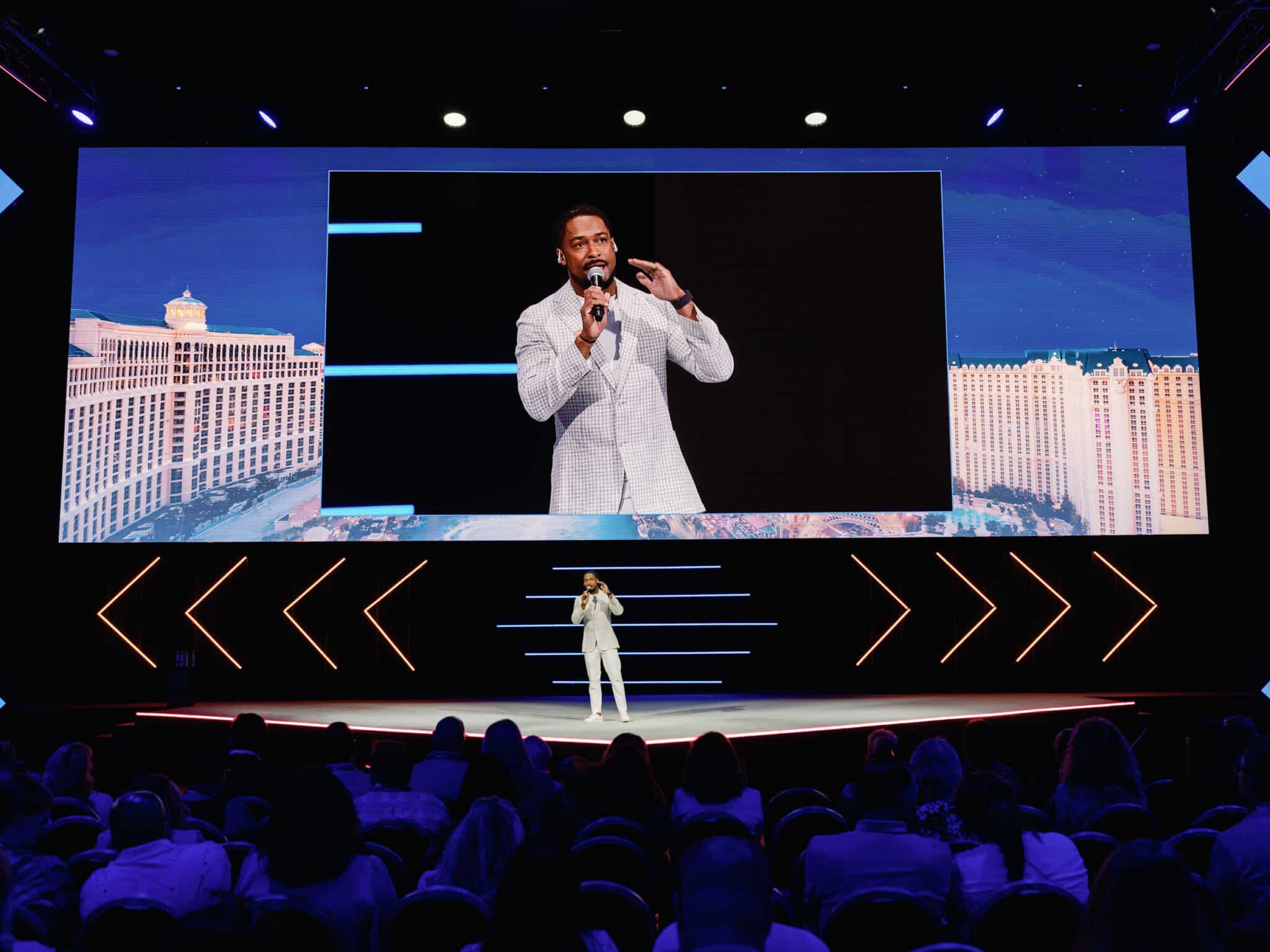
Keynote emcee — Las Vegas main stage
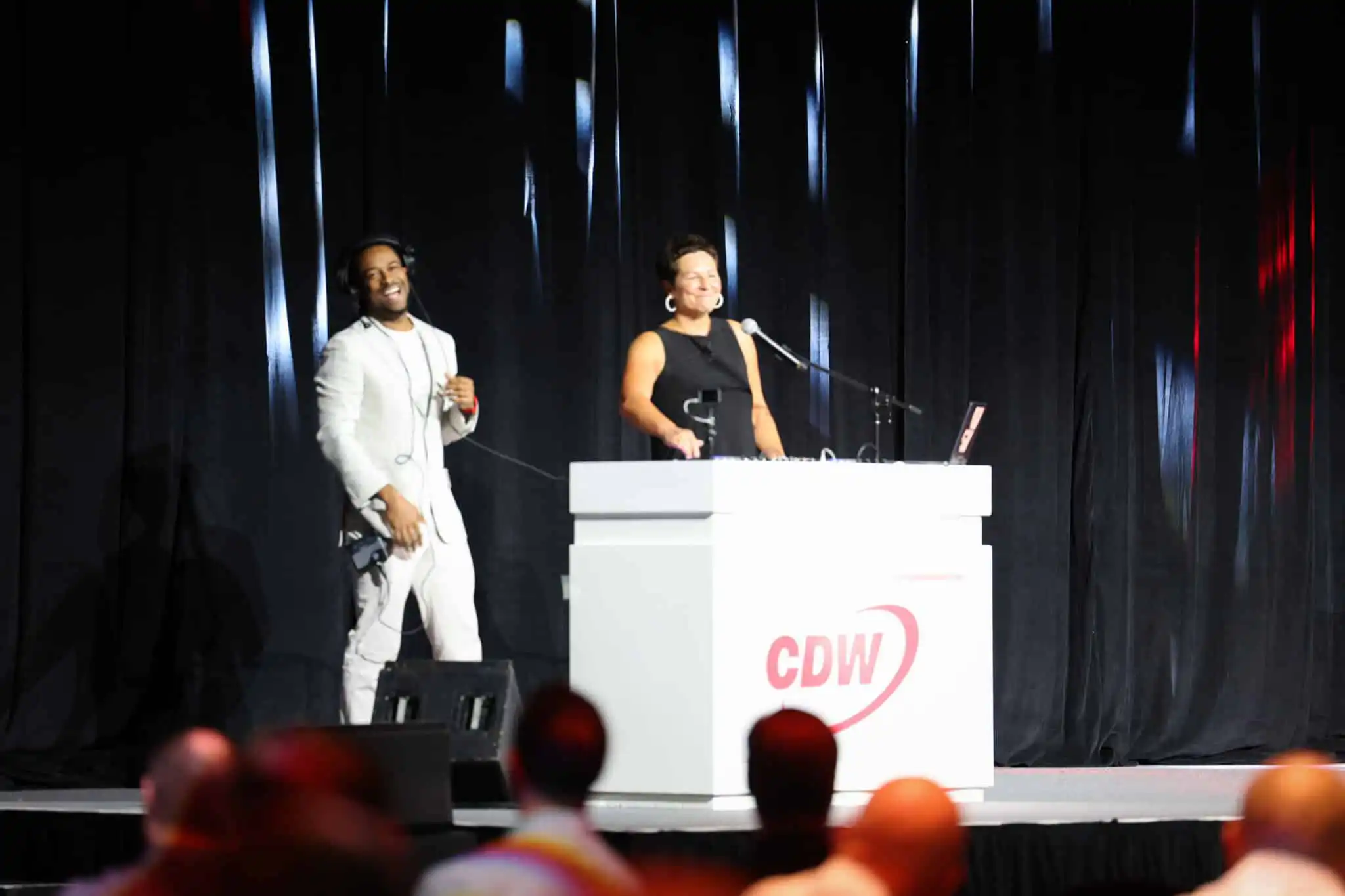
CDW, corporate emcee & host
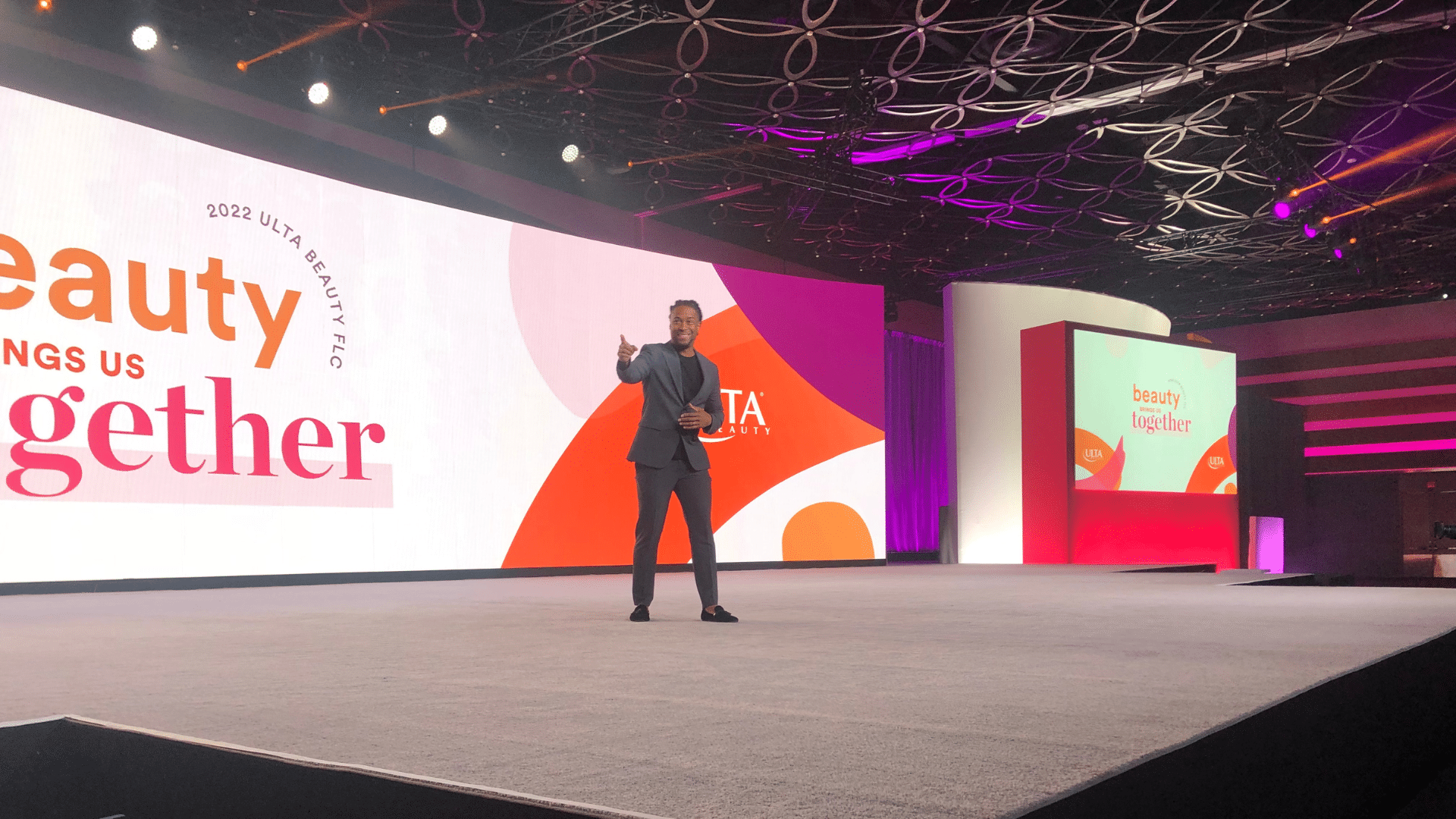
Ulta Beauty, brand activation
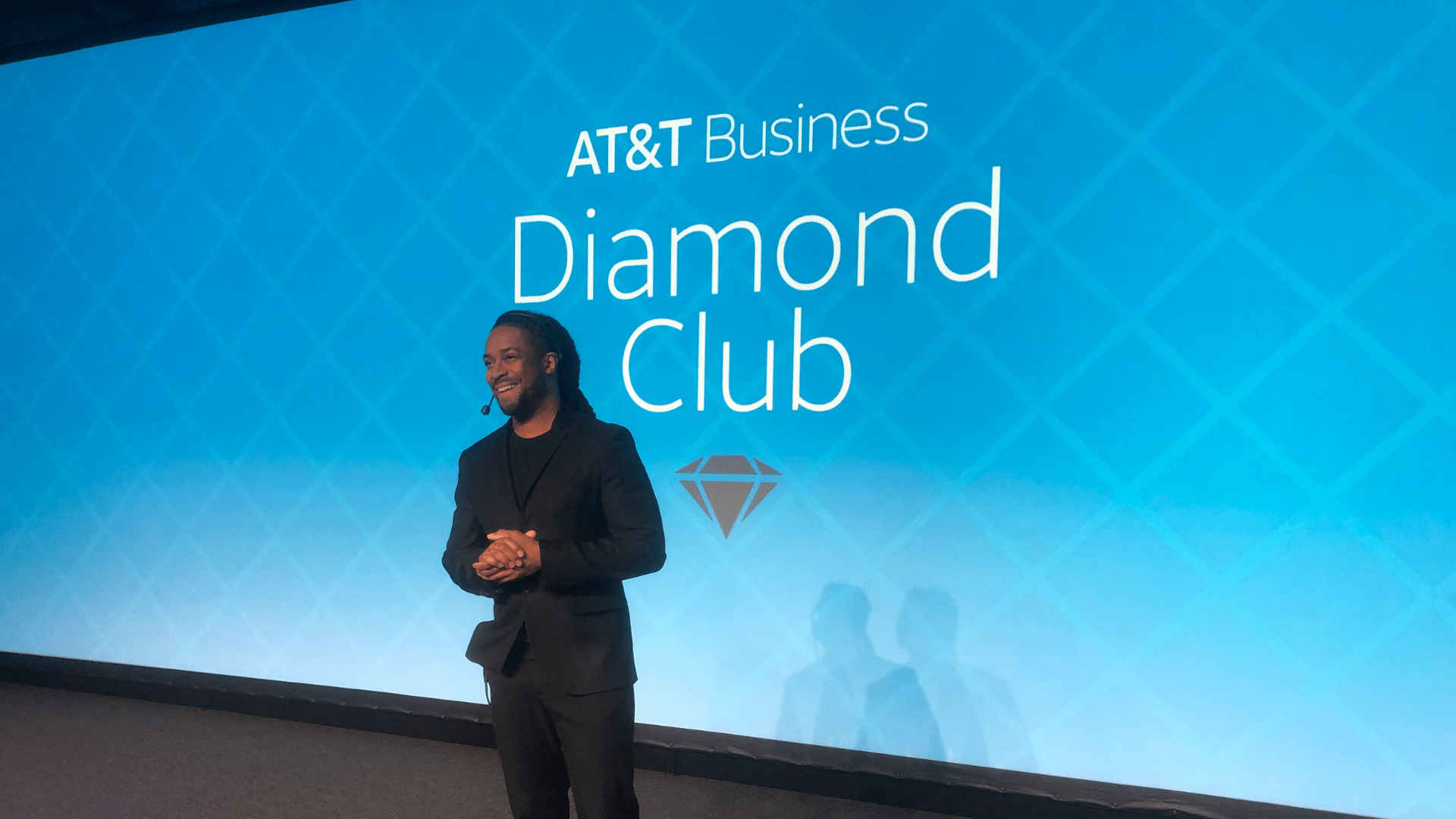
AT&T Business — Diamond Club
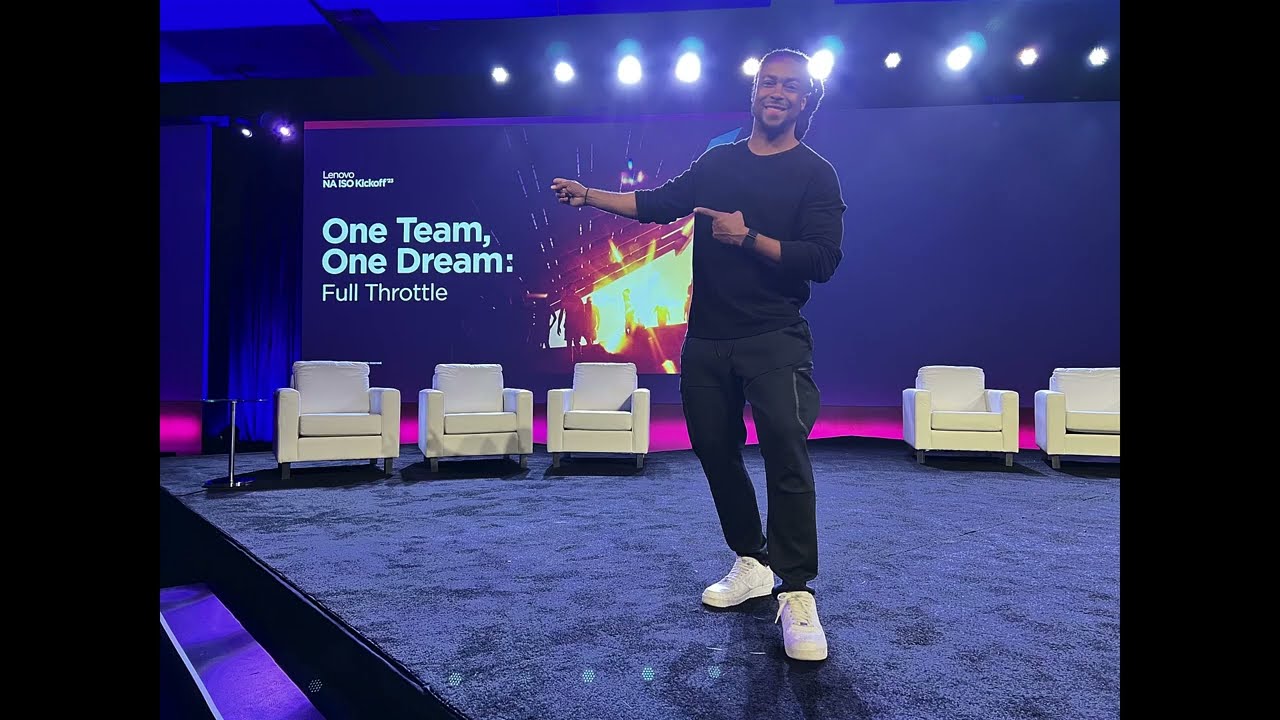
Featured emcee & personality
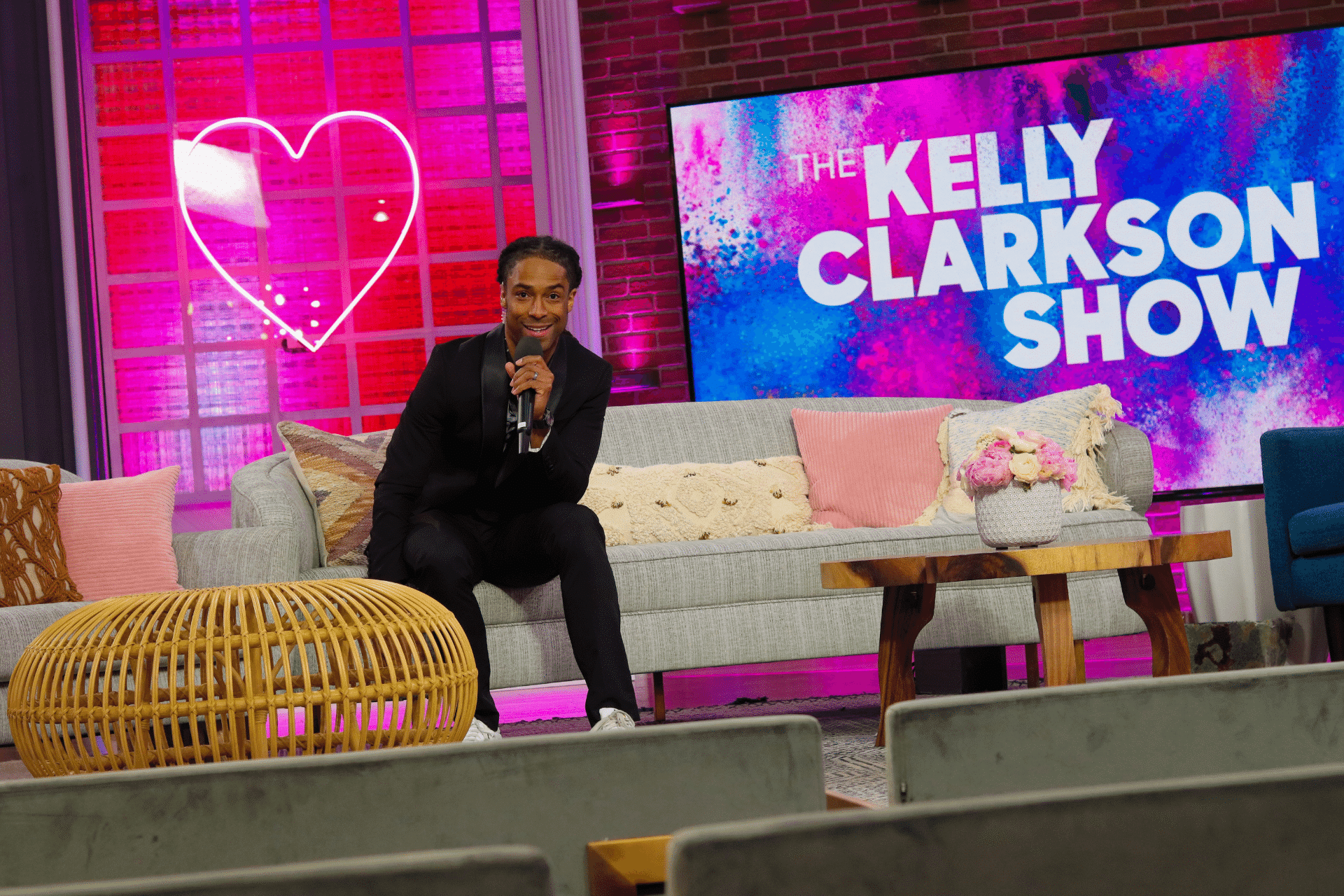
Talk-show format, audience engagement
DJ, emcee, and audience engagement in one role
Every category on the checklist above, corporate experience, music customization, emcee work, audience engagement, AV discipline, insurance, and contracts, is consolidated into a single performer and a single contract. One vendor managing the full energy arc, with no handoff risk between three different egos in a green room. This is the 3-in-1 model recognized by the Wall Street Journal and Forbes Next 1000.
Built for conferences, galas, sales kickoffs, and company events
The work is event-type specific: multi-day conferences, annual sales kickoffs, recognition galas, executive award programs, product launches, team-building activations, and employee appreciation events. Each has its own tonal arc, agenda discipline, and energy requirements. A corporate DJ who has run all of them knows the differences without having to ask.
Designed to reduce planning stress
Fast communication, clean contracts, COI on request, redundant equipment travel-standard, written run-of-show coordination, and on-time arrival. The goal isn’t to be remembered as the most exciting vendor on the planner’s roster; it’s to be remembered as the easiest one to work with on the most stressful day of the quarter.
Watch a corporate event proof reel
See the 3-in-1 in action across keynotes, awards, audience engagement segments, and after-parties watch the corporate event reel here, or watch a team-building activation in real time.
Frequently Asked Questions About Booking a Corporate Event DJ
What should I ask a corporate DJ before booking?
Cover six areas: corporate event experience (named clients and venues), music customization and clean edits, emcee and announcement capability, audience engagement skills, AV coordination and run-of-show discipline, and insurance plus backup equipment and contract terms. Score each vendor 1–5 on each area. Anyone under 4 in any single area is a meaningful risk.
How far in advance should event planners book a corporate DJ?
For most corporate events, 3–6 months of lead time is standard. High-demand dates major conferences during peak season, year-end recognition events, sales kickoffs in January, and any event tied to a holiday weekend should be booked 6–12 months out. The top corporate DJs are typically booked first and rarely have last-minute availability for premium dates.
Can a corporate DJ also be the emcee?
Some can, and the best corporate entertainers are booked specifically because they can. But not every DJ has the mic skills, and not every emcee can DJ. Always ask for on-mic video specifically, not just performance footage, and verify with reviews from clients who used both services from the same person.
Does a corporate DJ need liability insurance?
Most major hotels, convention centers, and corporate event venues require vendor liability insurance, and many request a Certificate of Insurance (COI) naming the venue as additionally insured. Any professional corporate DJ should carry coverage standard and be able to produce a COI on request. A vendor who doesn’t is a venue-access problem waiting to happen.
What should be included in a corporate DJ contract?
Date, start and end times, venue address, services included (DJ, emcee, audience engagement, additional segments), setup and breakdown windows, overtime rate, cancellation terms, payment schedule, liability insurance confirmation, and backup-equipment language. Multi-day or multi-venue events should also include travel, lodging, and dark-day language. Anything missing from the contract is missing from the event.
How do I compare multiple corporate DJs?
Use the vendor scorecard at the top of this article. Run each candidate through all six categories: experience, music, emcee, engagement, AV, and contracts and score 1–5 on each. The vendor with the highest minimum (not the highest total) is usually the right hire. A vendor scoring 5 on music but 2 on emcee is a worse fit for a corporate event than one scoring 4 across the board.
Ready to Run This Checklist Against a Real Vendor?
If you’re planning a corporate conference, sales kickoff, gala, product launch, or team-building event, run the questions above on a real call. The whole point of the checklist is that the right answers come fast and the wrong ones come slow.
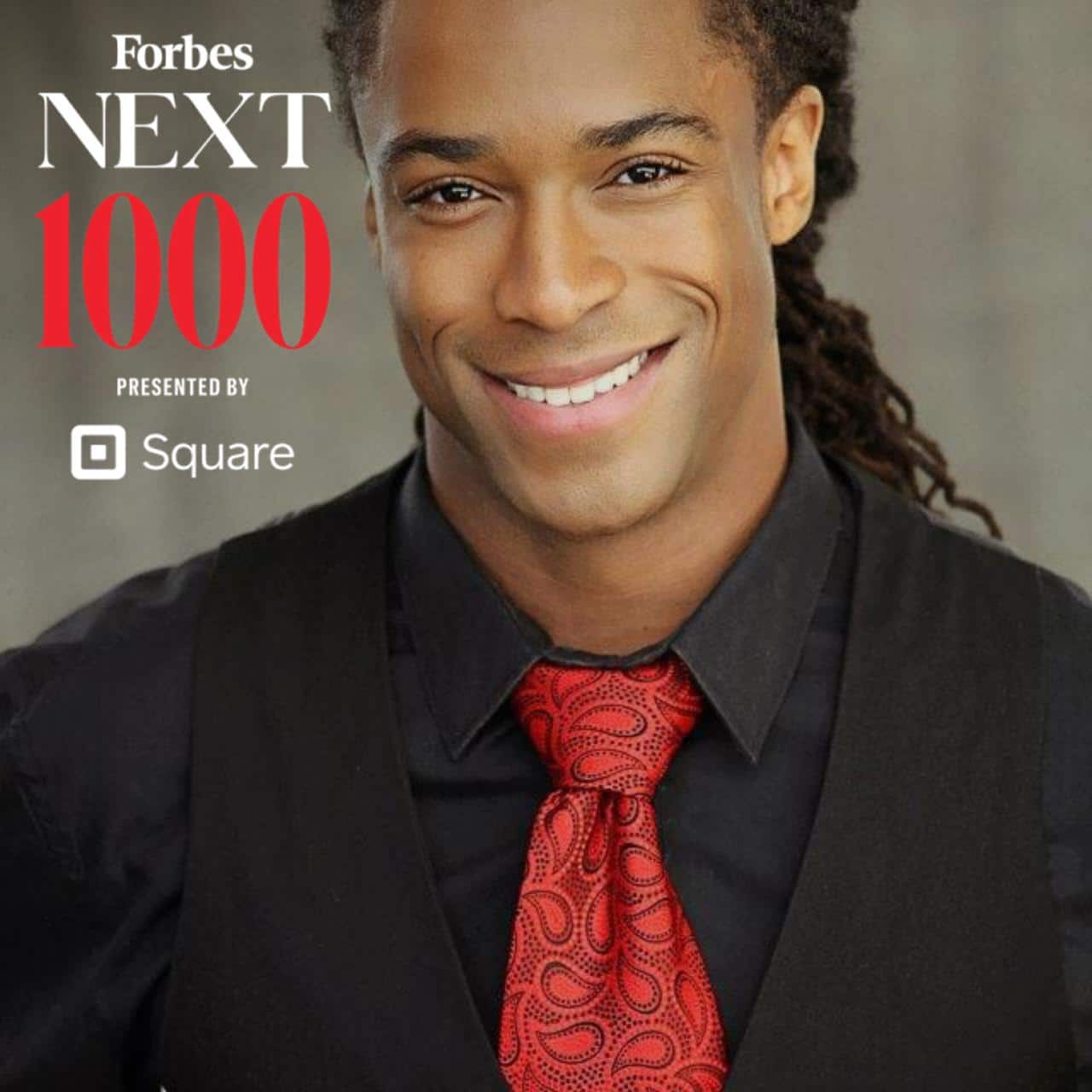
About the Author
DJ Will Gill
Will Gill is a Forbes Next 1000 honoree and the Wall Street Journal’s #1-ranked corporate DJ and emcee, with 2,520+ five-star Google reviews. He performs 600+ corporate events annually as emcee, DJ, and audience-engagement specialist for clients including Google, Amazon, Salesforce, AT&T, the United Nations, and Boys & Girls Clubs of America, and is listed on IMDB. His “three-in-one” corporate entertainer model combining emcee work, DJ performance, and audience-engagement programming in a single integrated booking is the approach recognized in his WSJ profile. Learn more about Will.