
How to Organize DJ Music | DJ Will Gill
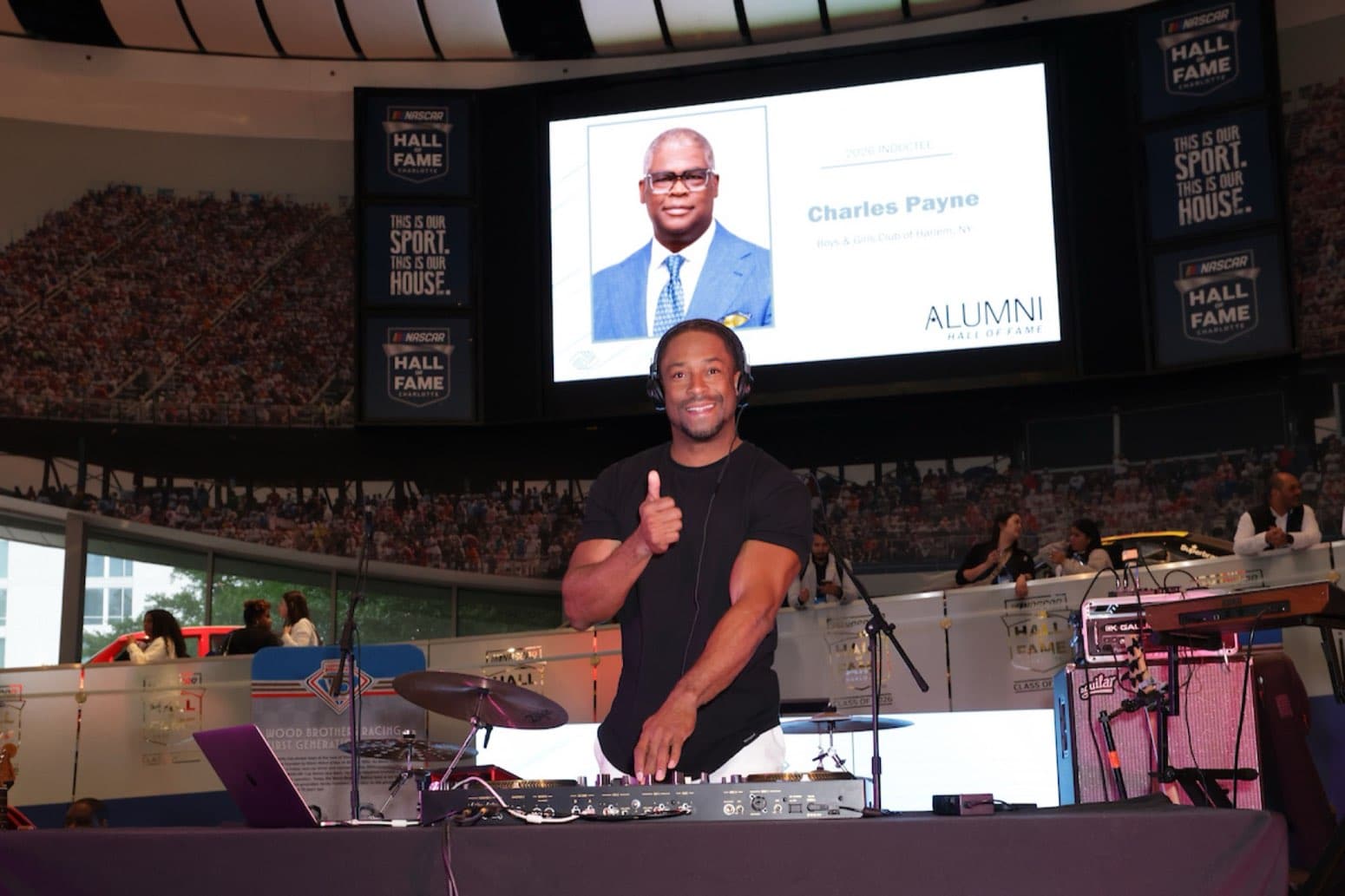
Knowing how to organize DJ music is one of the highest-leverage skills a working DJ can develop and one of the most consistently underinvested. Most DJs spend years building music library collections while giving almost no structured attention to how that library is organized. The result is a library that becomes progressively harder to navigate as it grows, a prep process that takes far longer than it should, and most costly of all live set moments where the right track exists in the library but cannot be found quickly enough to use.
A well-organized DJ music library does not just make prep faster. It makes your live performance better because it reduces the cognitive load of track selection during performance, allowing more attention for crowd reading, energy management, and timing. This guide covers the complete organizational system for a professional DJ library from folder structure and tagging to playlist architecture, software tools, and ongoing maintenance protocols.
Organized library? Turn it into sets that blend.
Introducing TheAIDJ.com
Sorting tracks is step one; building sets is the goal. Describe the vibe to AIDJ, preview how the songs flow, and export a ready playlist. A faster path from organized crates to a finished set.
Key Takeaways
The most effective DJ library organization systems are built around multiple simultaneous classification axes genre, BPM, musical key, and energy level rather than a single folder hierarchy. Pioneer rekordbox and Serato DJ both support multi-attribute tagging systems that make this approach practical even for large libraries.
BPM and key metadata, when consistently applied, are the two technical organization attributes that produce the most direct benefit during live performance enabling faster harmonic and tempo-compatible track selection in real time. Both attributes can be auto-analyzed by modern DJ software with high accuracy, eliminating the manual overhead that previously made systematic tagging impractical.
Energy level classification separating tracks into categories like Warm-Up, Mid-Energy, and Peak-Time dramatically reduces preparation time for corporate events where segments have specific energy requirements, because the right track pool is already pre-identified before the event brief is even read.
Regular library maintenance adding new tracks with proper metadata, removing tracks you no longer use, eliminating duplicates, and backing up to redundant storage is the difference between a library that stays useful as it grows and one that becomes progressively more chaotic. According to SoundCloud’s platform data, the platform hosts over 350 million tracks making a personal curation and maintenance discipline more important than ever for working DJs who need to navigate large libraries efficiently.
DJ pools and subscription services are the most efficient ongoing source of properly tagged new music for professional libraries. Services like Beatsource and Beatport deliver downloads with pre-populated BPM and key metadata, significantly reducing the administrative burden of integrating new tracks into a well-organized library.
“An organized library is silent leverage. It doesn’t show up in your performance in any obvious way but it shows up in how fast you can respond to a crowd, how confident you are when searching for a track, and how rarely you play the wrong song at the wrong moment because you couldn’t find the right one in time.”
Why DJ Music Library Organization Directly Affects Your Performance
The connection between library organization and live performance quality is direct, even though it is not immediately obvious. When a DJ library is disorganized, the cognitive overhead of finding the right track during live performance competes with the cognitive attention needed for crowd reading, energy management, and transition planning. Every second spent scrolling through unsorted folders or scanning an untagged list is a second not spent reading the room.
By contrast, a well-organized library reduces track-finding to near-automatic recall. When tracks are tagged by genre, BPM, key, and energy level, a DJ can form the query “I need something around 118 BPM, high energy, hip hop, good for right now” and execute it in seconds rather than minutes. That speed and confidence knowing the right track is findable and accessible is what allows a professional DJ to make responsive, real-time decisions rather than defaulting to safe, familiar plays.
For corporate DJs specifically, library organization is also a prep-time efficiency factor. A corporate event brief typically specifies the event’s demographic, preferred genres, energy requirements for each segment (cocktail, dinner, entertainment, dance), and any specific tracks or eras to emphasize or avoid. A well-organized library means the prep work for that brief building event-specific playlists can happen in 30-45 minutes instead of 2+ hours, because the relevant track pools are already pre-organized and accessible.
The Four-Axis Classification System for DJ Libraries
Professional DJ library organization is built around classifying every track across four independent axes, each of which serves a different purpose in performance.
Genre Classification
Genre is the broadest and most intuitive classification axis, and the foundation of any organized library. At minimum, every track should be assigned to a primary genre folder or tag: hip hop, R&B, pop, electronic/dance, rock, Latin, country, soul/funk, jazz, and so on. For open-format corporate DJs, this genre diversity is especially important because every booking requires navigating across multiple genres within a single event.
Beyond primary genre, sub-genre tags add valuable resolution for DJs who work across a large library. Within “electronic/dance,” for example, the distinction between deep house, commercial dance, EDM, and tech house represents very different performance contexts. Sub-genre tagging is optional for smaller libraries but becomes increasingly valuable as a library grows past 5,000-10,000 tracks.
A practical genre organization system for a corporate open-format library should include at minimum: pop (contemporary and classic separately), hip hop (mainstream and underground), R&B/soul, electronic/dance, Latin, rock/alternative, country, jazz/instrumental, and a dedicated “decade” folder structure (70s, 80s, 90s, 2000s, 2010s, 2020s) that cuts across genres for era-specific programming requests.
BPM Tagging
BPM (beats per minute) is the most technically important metadata attribute for smooth mixing, and it should be analyzed and verified for every track in the library. Both Serato DJ and Pioneer rekordbox can auto-analyze BPM with high accuracy for most commercial music, making comprehensive BPM tagging a one-time setup task rather than ongoing manual work.
Once BPM is tagged, the practical benefit is immediate: sorting a track pool by BPM instantly reveals which tracks are tempo-compatible for smooth mixing. Working within a 5-10 BPM window the standard compatibility range for smooth transitions becomes a database query rather than an exercise in musical memory. For DJs who use rekordbox’s smart playlist features, BPM-range playlists can be created as permanent library filters, automatically updating as new tracks are added.
Musical Key (Camelot Code) Tagging
Key tagging specifically using the Camelot Wheel system popularized by Mixed In Key software is the second most impactful technical metadata attribute after BPM. When tracks are tagged with their Camelot code (e.g., 8A, 8B, 9A), harmonic mixing becomes as simple as filtering the library for adjacent or matching codes. The result is transitions that are not just rhythmically seamless but musically consonant a meaningful quality upgrade that experienced event planners and audiences register even without being able to articulate why.
Mixed In Key and rekordbox both offer automated key analysis with high accuracy for most commercial and electronic music. The time investment of a one-time full-library key analysis is typically recovered within the first 3-4 events where harmonic mixing is applied, in the form of faster set prep and better on-the-fly transition decisions.
Energy Level Tagging
Energy level classification typically broken into 3-5 tiers from lowest to highest intensity is the organizational axis that most directly maps to corporate event structure. A system with tiers such as Ambient/Background, Cocktail/Warm-Up, Mid-Energy, High-Energy, and Peak-Time gives the DJ an instant pre-sorted track pool for each event segment.
Energy level tagging is necessarily subjective in a way that BPM and key are not two DJs might classify the same track differently based on their experience and context. What matters is internal consistency within your own system. Once you have established your energy level definitions (e.g., “Warm-Up = 100-116 BPM, recognizable but not an anthemic hit, builds engagement without demanding response”), apply them consistently across the full library. Over time, your energy-tagged library becomes a pre-built set planning tool that dramatically speeds event prep.
The Best Software Tools for DJ Library Organization
DJ Library Organization Software Comparison
| Pioneer rekordbox | The industry standard for Pioneer CDJ-based setups, and one of the most powerful library organization tools available to any DJ. Auto-analyzes BPM and key for every imported track. Supports smart playlists (intelligent playlists that auto-update based on metadata criteria), My Tag custom tagging, and performance history tracking. Direct CDJ/XDJ export via USB. Rekordbox’s cloud library sync via rekordbox Link is particularly useful for DJs who prep on one machine and perform on another. |
| Serato DJ Pro | The dominant choice for laptop-based DJ setups and scratch-focused styles. Crates and sub-crates provide an intuitive folder-within-folder organization structure. Smart Crates auto-populate based on metadata rules similar to rekordbox’s smart playlists. Serato’s tagging system is slightly less granular than rekordbox’s My Tag system but more than adequate for comprehensive library organization. Serato’s BPM analysis is highly accurate across most music types. |
| Native Instruments Traktor | Preferred by many electronic music DJs for its advanced effects and four-deck mixing capabilities. Traktor’s library organization centers on Track Collections with rich metadata fields including genre, mood, custom comments, and color-coded labels. Its “Favorites” and “Sets” system allows rapid playlist construction. Traktor’s BPM grid analysis is highly accurate for house and techno, and its key analysis integrates directly with the harmonic mixing system built into the software. |
| Mixed In Key | Not a DJ performance software but an indispensable companion library analysis tool. Mixed In Key analyzes entire music libraries and writes Camelot Wheel key codes and energy levels (1-10) directly into the track metadata, which is then visible inside Serato, rekordbox, or Traktor. Its key detection accuracy for commercial music is consistently higher than the key analysis built into most DJ performance software, making it the preferred choice for DJs who prioritize harmonic mixing precision. |
Building a Professional Playlist Architecture
Tags and metadata create the raw organizational foundation of a DJ library. Playlists are the operational interface the pre-built track pools that make that foundation actionable during performance and prep. A professional DJ library should maintain several distinct types of playlists serving different purposes.
Event-Type Playlists
Build and maintain standing playlists for each event type you regularly work: corporate conference, corporate gala/awards, wedding reception, cocktail hour, outdoor festival, private party, and so on. These playlists are not final setlists they are working track pools from which event-specific sets are drawn. A standing “Corporate Cocktail Hour” playlist, for example, should contain 80-120 tracks that fit the energy, genre, and sophistication parameters for that context. When a corporate cocktail booking comes in, the prep work is largely already done.
Energy Arc Playlists
Maintain separate playlists for each energy tier in your classification system. Your Warm-Up playlist, Mid-Energy playlist, and Peak-Time playlist should be living collections that update regularly as new tracks are added to the library. These playlists are the building blocks of any event’s structure the raw material from which you assemble the specific arc for any given night.
Test and Review Your Playlists Regularly
A playlist that looks good in preparation can still contain transitions that do not work in practice. Build a habit of listening through new playlists, specifically testing the transitions between sequential tracks, before deploying them at events. This is not about rehearsing a fixed setlist it is about identifying any obvious mismatches (tempo clashes, mood contradictions, genre jumps that do not serve the arc) and correcting them in the playlist before they become live performance problems.
Library Maintenance: The System That Keeps Everything Working
Weekly New Track Intake Discipline
The most common reason DJ libraries become disorganized is that new tracks are added without metadata or proper folder placement. Establish a non-negotiable intake process: every new track that enters the library gets analyzed (auto-BPM, auto-key), assigned a genre tag, assigned an energy level tag, and placed in the correct genre folder or playlist before it is added to the general library. This process takes 60-90 seconds per track a minimal investment that prevents the exponential accumulation of untagged, unfindable tracks that makes large libraries unusable.
Subscription DJ pools like Beatsource, Beatport, and DJ City deliver downloads with pre-populated BPM and key metadata for most tracks, which significantly reduces the manual intake burden for high-volume library additions.
Duplicate Removal
Duplicate tracks accumulate in DJ libraries over time multiple downloads of the same song, different versions of the same release, or the same track in multiple file formats. Duplicates create navigation friction without adding musical value. Both rekordbox and Serato include duplicate-detection features that identify tracks with identical or similar metadata, making periodic duplicate audits manageable. Schedule a duplicate review at least quarterly, removing all but the highest-quality version of any duplicated track.
Backup Protocols: Non-Negotiable Redundancy
A DJ library represents years of acquisition, organization, and metadata work. Losing it to hardware failure, theft, or software corruption is a professional catastrophe. The minimum viable backup standard for a professional DJ library is the 3-2-1 rule: three copies of the data, on two different storage media types, with one copy stored off-site. In practical terms, this means the primary working library on your main drive, a full backup on an external hard drive stored at home, and a cloud backup via Google Drive, Dropbox, or Backblaze. Backups should be run weekly at minimum, with critical pre-event backups before any major booking.
Staying Current With Music Trends
A well-organized library is only useful if it contains music that serves current events. Allocating a weekly block of time even just 30 minutes to discovering, evaluating, and adding new tracks keeps the library culturally current without requiring the overwhelming periodic “catch-up” sessions that happen when library updates are neglected. Using tools like Spotify Charts, Billboard’s genre charts, and DJ pool editorial picks as discovery inputs gives structure to this weekly review process.

DJ Will Gill
Will Gill is a Forbes Next 1000 honoree and WSJ-ranked #1 Corporate DJ and Emcee with 2,520+ five-star Google reviews. He has developed and refined his library organization system across 600+ professional corporate events, building the prep efficiency and live performance confidence that consistently produces exceptional audience experiences.
Check availability and book your event today.
Corporate Events as DJ and Emcee
Five-Star Google Reviews
WSJ-Ranked Corporate DJ and Emcee