
How to Become an Event DJ | DJ Will Gill’s Practical Guide
Most guides on how to become an event DJ tell you to buy a controller, watch YouTube tutorials, and start practicing. That is all true but it skips the part that actually determines whether you build a career: understanding what the event DJ market actually rewards and building your skills and positioning around what paying clients hire for, not just what DJing sounds like on the internet.
This guide comes from a different vantage point. After 600+ corporate events, three Super Bowl performances, a FIFA World Cup performance, a Formula 1 Las Vegas Grand Prix performance, a Forbes Next 1000 recognition, and a WSJ ranking as the #1 corporate DJ in the country, the path to event DJ work looks very different from the inside than it does from generic career advice. What follows is the most practical, experience-grounded version of this roadmap I know how to write.
“The DJ career that exists online looks like nightclubs and festivals. The DJ career that actually pays consistently looks like corporate events, galas, and conferences. Learning which market you want to work in before you invest in skills and gear is the most important decision you will make early in this path.”
Learning to DJ? Start with playlists that blend.
Introducing TheAIDJ.com
The fastest way to learn flow is to hear it. Tell AIDJ the energy you want, preview the transitions, and export a set to practice with. A beginner-friendly way to build playlists that actually mix.
What an Event DJ Actually Does
Before building toward a career, you need an accurate picture of what event DJing involves because the gap between the Instagram version of DJing and the working professional version is significant, and building toward the wrong version wastes time and money.
An event DJ is a live music curator and experience architect. The core competency is not music production, it is not social media presence, and it is not the ability to perform at a particular tempo. It is the ability to read a live audience to assess in real time what the crowd’s energy level is, what they are responding to and what they are not, and to make song selection and mixing decisions in real time that move the event toward its intended outcome. At a corporate event, that outcome is an energized, connected audience who leave with a positive impression of the company and its leadership. At a wedding reception, it is a dance floor that stays full and a couple whose guests genuinely celebrate with them. At a gala, it is the energy that culminates in a successful fund-a-need appeal.
The DJ’s job also extends, in most professional event contexts, to emcee functions announcing program transitions, reading scripted content for awards or recognitions, facilitating interactive moments with the audience, and managing the feel and pace of the event between program segments. DJs who cannot credibly handle a microphone are significantly less competitive in the professional event market than those who can do both.
Skills That Actually Matter for Event DJ Work
Crowd reading the first and most important skill
No skill is more important to event DJ success than the ability to accurately read an audience and make real-time decisions based on what you observe. This cannot be taught in a tutorial and does not develop in the practice room. It develops only through live performance repetition gig after gig, audience after audience, until pattern recognition becomes instinctive. Every other skill on this list is secondary. This one determines whether you actually work.
Open-format music mastery
Corporate and private event audiences are mixed multiple decades, multiple demographics, multiple musical backgrounds in the same room. An event DJ who can only credibly perform in one genre or era is not competitive in this market. Open-format mixing the ability to move between hip-hop, R&B, pop, Latin, classic rock, country, and dance music in a single set is the baseline capability the market expects. Building your music knowledge this broadly takes time and requires deliberate library building, not just playlist collecting.
Mixing technique and beatmatching
Clean, musical transitions are audible to everyone on a dance floor. Sloppy transitions tell the audience that the DJ is not professional, and that impression is irreversible in the moment. Beatmatching the technical skill of aligning the tempos of two tracks so they play together without clashing is the foundation of professional mixing. It should be learned by ear before relying on software assistance, because developing an ear for it makes your transitions better across all formats including those where software assistance is unavailable or unreliable.
Microphone and emcee skills
Get comfortable on a microphone earlier than feels necessary. Most aspiring DJs treat this as an afterthought and discover years into their career that their inability to host confidently from the microphone is costing them the most competitive event bookings. Practice making announcements, practice speaking with a crowd, practice adjusting your delivery for different event contexts. A DJ who is also a credible emcee commands higher fees and accesses better events than one who is only a music performer.
Organization and pre-event preparation
The quality of your preparation before an event shapes the quality of your performance during it. Maintaining a well-organized music library searchable by genre, tempo, decade, and energy level allows you to find the right track at the right moment without interrupting the flow of a set. Pre-event planning calls with event coordinators, run-of-show review, and load-in timing management are professional practices that separate working DJs from hobbyists.
Equipment: What You Actually Need to Start
The event DJ gear market ranges from entry-level equipment that will get you through small gigs to professional-grade systems that cost tens of thousands of dollars. The right approach for someone starting out is to invest in equipment that is professional enough to deliver reliable quality at paid events, without over-investing in gear that exceeds what your current skill level can utilize effectively.
The starter setup that covers the vast majority of event DJ contexts is a DJ controller (Pioneer DDJ-400 or equivalent entry-professional level), a laptop running Serato DJ or rekordbox, a pair of quality closed-back headphones (Sennheiser HD 25 or Audio-Technica ATH-M50x), and a quality powered speaker pair (QSC K series or JBL PRX series) with at least one subwoofer. This setup runs in the $1,500-$3,000 range fully loaded and is genuinely capable of professional-quality sound at events of up to a few hundred people.
As your career develops and you start booking larger venues and higher-paying events, the investment in professional CDJ/mixer configurations (Pioneer CDJ-3000s with a DJM-900NXS2) makes sense both for the quality ceiling it provides and for the credibility signal it sends to experienced event coordinators who recognize professional gear. But this is a progression investment, not a starting requirement. Your skill level determines your earning level far more than your gear level does, especially early in your career.
The Practical Steps to Building an Event DJ Career
Step 1: Develop your skill set before your image
The most common mistake aspiring DJs make is investing heavily in branding, social media presence, and equipment before they have the actual skills to deliver a professional performance. The market will evaluate you on what you sound like and how your event flows not on how your logo looks. Spend the first six to twelve months of your development overwhelmingly focused on mixing technique, music knowledge, and live performance practice. Everything else will build more effectively once the core competency is real.
Step 2: Build a genuinely diverse music library
A professional event music library is measured in the thousands of tracks across genres and decades. It is organized, tagged, and searchable. It includes current chart hits, genre classics, decade-specific crowd pleasers, and deep-cut selections for moments when a standard playlist is not serving the room. Building this library takes time and requires a professional music licensing subscription Promo Only, DJ City, and BPM Supreme are the industry standard services. Never use pirated or uncleared music at a paid event.
Step 3: Get reps in front of live audiences
Practice in your bedroom is useful. Playing in front of actual people in an actual event context is where the real development happens. Volunteer for small community events, offer to DJ at friends’ gatherings, approach local venues about open format nights, assist established DJs at their events. Every live audience teaches you something that no amount of solo practice can replicate. The DJ who has played 30 live events is in a completely different skill category than the DJ who has practiced for 300 hours in isolation.
Step 4: Create demo material that shows real event performance
A demo mix recorded in your home studio demonstrates your technical mixing ability. A recording from an actual live event demonstrates that you can perform under pressure, read a room, and keep a crowd engaged. Both have value, but the live recording is the more powerful marketing tool for event clients. When you are playing live gigs even small ones record audio or video. Build a portfolio of evidence that you can perform at real events, not just at home.
Step 5: Choose your event market deliberately
The event DJ market is not one thing. Corporate events, weddings, private parties, nightclub residencies, festivals, radio each is a distinct market with its own demand characteristics, compensation structures, skill requirements, and relationship networks. The mistake is trying to be everything at once. Identify which market aligns with your strengths and interests, study what that market specifically rewards, and build your positioning for it. Corporate events offer the highest per-event compensation of any event DJ market typically $3,000-$8,000 for a single day but require open-format mastery, emcee capability, and the ability to work within formal program structures that other markets do not require.
Specifically Targeting Corporate Event DJ Work
What Corporate Event Planners Are Actually Evaluating When They Hire a DJ
| Verified social proof | Google reviews from real event clients, not just general fans. Corporate planners verify reviews before booking. A DJ with 50 five-star Google reviews from named corporate clients is far more credible than one with 5,000 Instagram followers. Build your Google review count deliberately and consistently from every event you perform. |
| Named client portfolio | Corporate planners respond to recognizable company names. Every time you perform at any corporate event, document the client and the occasion. When your list includes Fortune 500 names, it signals that other experienced decision-makers have already evaluated and trusted you. Start building this list at the earliest possible opportunity. |
| Emcee capability | The majority of corporate event planners are looking for a single point of contact for both DJ and emcee functions. A DJ who cannot credibly host from the microphone is missing a capability that their competition has. Develop this skill early. |
| Professional communication | Corporate planners manage large events with many vendor relationships. DJs who communicate quickly, clearly, and professionally who respond to emails within a business day, who ask the right pre-event questions, who send contracts and invoices without being asked stand out sharply from those who communicate casually or inconsistently. |
| Proper contracts and insurance | Corporate venues routinely require vendors to carry general liability insurance. Event contracts protect both the planner and the DJ and signal professional operation. Get business insurance and draft a professional contract before you pursue your first paid corporate booking. |
| Referral network position | Most corporate event DJ bookings come through referrals from planners, DMCs, and other vendors. Getting into the referral networks of corporate event planners and destination management companies is the highest-leverage marketing activity in this market. Every event you perform at is a potential referral source ask for them explicitly. |
Building Your Brand and Finding Gigs
Your brand as an event DJ is fundamentally the answer to the question “why should I hire this person rather than any other DJ?” The answer needs to be specific and credible not “I’m passionate about music” or “I bring great energy,” but specific claims backed by verifiable evidence. “2,520 five-star Google reviews” is a specific, verifiable claim. “WSJ-featured corporate DJ” is a specific, verifiable claim. “Performed at 600+ Fortune 500 corporate events” is a specific, verifiable claim. Build toward claims like these through the evidence your career accumulates, and lead with them in every marketing context.
For early-career DJs, the most effective marketing channels are the ones that put you in front of the buyers in your target market. For corporate events, that means connecting with corporate event planners, DMC (destination management company) coordinators, and venue catering sales managers. These professionals book events regularly and maintain preferred vendor lists. Getting onto their radar through professional outreach, referrals from other vendors, and consistent quality delivery is more effective than social media audience building, which creates followers rather than buyers.
A professional website that demonstrates your credentials clearly client portfolio, review count, press coverage, video evidence of performances is a minimum requirement for corporate event markets. Social platforms are supplementary. Your website is where you control the first impression a planner gets when they search for you after receiving a referral.
Staying Sharp: The Ongoing Work of a Professional DJ
The DJs who build decade-long event careers are the ones who treat their development as ongoing rather than something that ends once they are booking regularly. Music trends shift. Equipment evolves. New event formats emerge. The corporate entertainment market of 2026 includes virtual and hybrid event capabilities that did not exist in 2019, and the DJs who moved quickly to develop those capabilities gained competitive advantages that those who did not are still catching up to.
Practical ongoing development habits worth adopting early: subscribe to a music pool service and review new releases weekly; record and review your own live performances critically; solicit feedback from event planners after every event you perform; attend DJ and event industry networking events; and invest in education DJ workshops, public speaking training, business development courses that builds the non-musical skills that professional event careers require.
DJ Will Gill
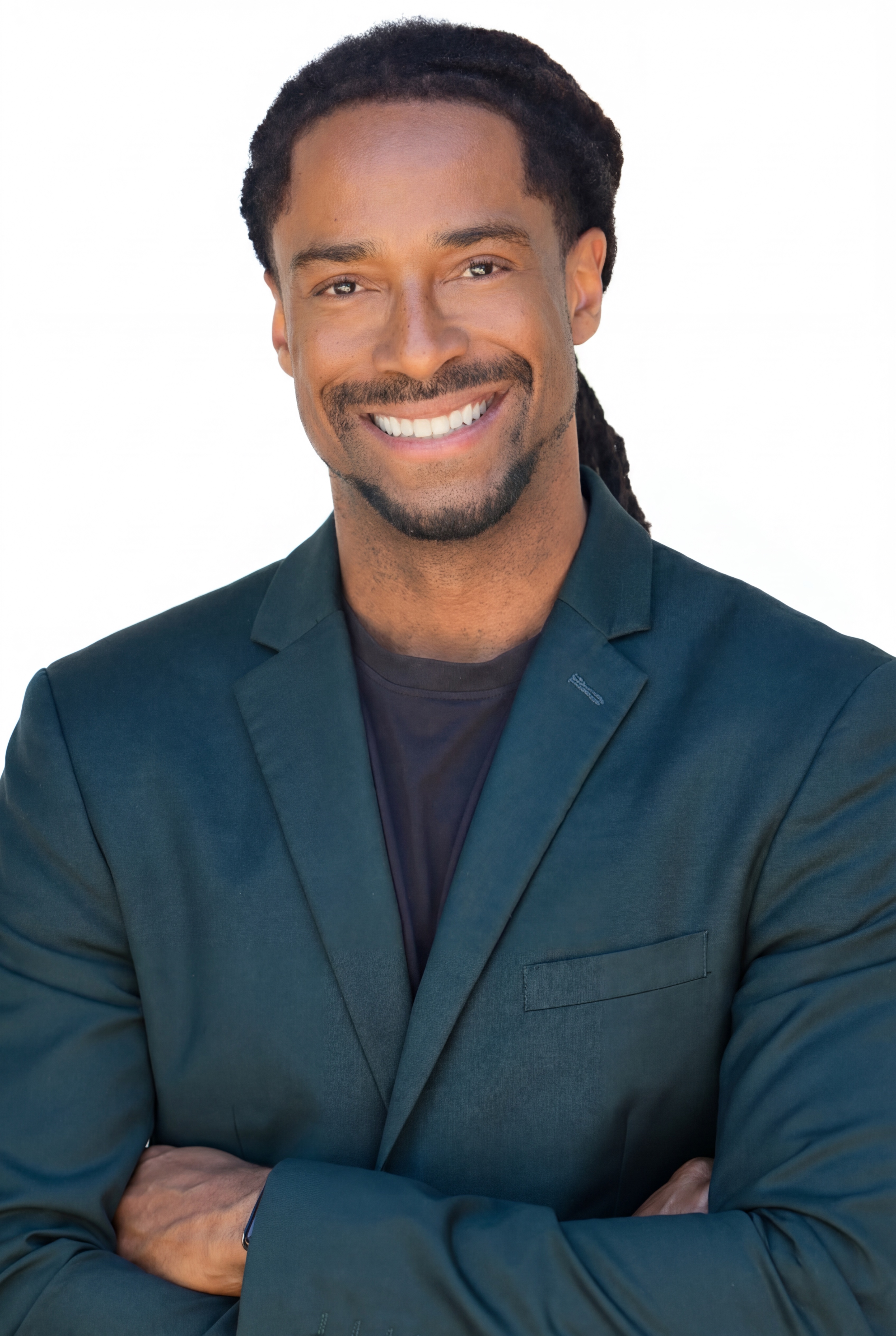
Will Gill is a Forbes Next 1000 honoree and WSJ-ranked #1 Corporate DJ and Emcee with 2,520+ five-star Google reviews. He has performed at 600+ Fortune 500 corporate events including three Super Bowl performances and appearances on the Kelly Clarkson Show. His
teaches aspiring DJs how to break into and excel in the corporate event market.
Fortune 500 Events Performed
Five-Star Google Reviews
WSJ-Ranked Corporate DJ
Frequently Asked Questions
What does an event DJ actually do?
Works as a live music curator and experience architect, reading crowds and managing energy rather than producing music.
Which skills matter most?
Crowd reading first, then open-format mastery, mixing, microphone and emcee skills, and preparation.
What equipment do I need to start?
The equipment section covers what you actually need.
What are the career steps?
Develop skills before image, build a diverse library, get live reps, create demo material and choose your market deliberately.
Which market pays consistently?
Corporate events, galas and conferences rather than nightclubs and festivals.