
How to Get Corporate DJ Gigs
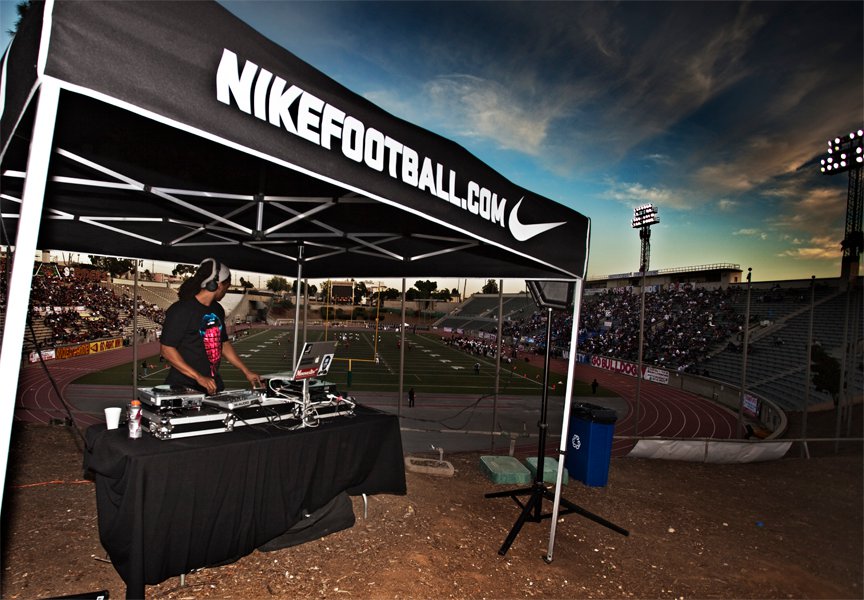
How do you get corporate DJ gigs? You get corporate DJ gigs the way Will Gill did: build a corporate-ready reel, collect third-party reviews planners can verify, price in day rates instead of hourly, and market to event planners rather than party hosts. This guide breaks down the exact playbook from the Wall Street Journal’s #1 rated corporate event DJ.
Corporate DJ gigs pay more, run cleaner, and build a more sustainable career than almost any other segment of the DJ market. The average corporate event fee is two to five times what a comparable wedding or nightclub gig pays. The clients are professionals who respect contracts, show up on time, and treat vendors well. And the referral network in corporate events is genuinely one of the most powerful in the entertainment industry.
So why don’t more DJs pursue it aggressively? Because most DJs don’t know how to get in the door, and the door doesn’t look the same as it does in other markets. The path to corporate DJ gigs is not about submitting to booking sites or playing the right clubs to get noticed. It is about positioning, relationships, and demonstrating a specific kind of professional value that corporate clients are actively looking for and rarely find.
I have performed at 600+ Fortune 500 events since 2020. Here is exactly how I built that, and how a working DJ can break into corporate events starting from scratch.
“Corporate clients are not looking for the most technically impressive DJ. They are looking for the one who makes them feel safest handing over the most important moment of their event calendar.”
Show up to every gig with a set that fits the room.
Introducing TheAIDJ.com
Winning corporate gigs is easier when your playlists impress. Tell AIDJ the event vibe, preview how the tracks blend, and export a ready set. A simple way to prep client-ready playlists fast.
First, Understand What Corporate Clients Are Actually Buying
The single biggest mistake DJs make when trying to break into corporate events is leading with what they do rather than what the client needs. Corporate clients are not primarily buying a DJ. They are buying risk reduction.
An event planner who hires the wrong DJ for a company’s national sales conference has a career-defining problem on their hands. The wrong music selection, an unprofessional interaction with an executive, a technical failure during the CEO’s entrance, an inappropriate comment on the mic any of these can make the entertainment the story of the event for all the wrong reasons. Corporate clients are intensely aware of this risk, which is why they are willing to pay significantly more for a DJ they trust completely.
What they are buying is professionalism, reliability, musical intelligence for mixed demographics, the ability to read and respond to an evolving room, on-mic capability if needed, and the confidence that you will not create a problem they have to manage. Every piece of your positioning, your marketing, and your client communication should speak directly to those priorities. Technical skill is assumed. Trust is what gets you hired.
According to the Professional Convention Management Association, corporate event entertainment is consistently ranked among the top three factors in overall attendee satisfaction at conferences and corporate events. That gives your role genuine strategic importance and it is the framing that should inform how you talk about what you do.
Step 1: Reposition Your Brand for the Corporate Market
If your website, your social media, and your promo materials are built around nightclub sets, festival photos, and late-night energy, you are invisible to corporate clients. Not because they wouldn’t hire you, but because they will never find you, and if they do stumble across you, they will assume you are not the right fit before they even make contact.
Repositioning for corporate does not mean abandoning everything you have built. It means adding a layer or in many cases, a separate landing page or site section that speaks the language of corporate event planners. That language is about outcomes, professionalism, and the kinds of events you serve, not about your DJ style or influences.
Your corporate-facing positioning should include the types of events you target (conferences, sales kickoffs, award dinners, company celebrations, product launches), the outcomes you deliver for those events (sustained guest energy, smooth timeline execution, open-format flexibility for mixed audiences), and the signals of credibility that corporate clients respond to — client logos, review counts, press mentions, and direct testimonials from event planners rather than general guests.
The language shift is important. Club DJs talk about dropping bangers and reading the vibe. Corporate DJs talk about programming the room through a three-hour event arc, managing transitions between program segments, and keeping a diverse audience engaged from cocktail hour through the final song of the evening. Same skill, entirely different framing and the framing is what determines whether a corporate planner calls you.
Step 2: Build an Online Presence That Ranks for Corporate DJ Searches
Corporate event planners find DJs primarily through Google search, referrals from other planners, and vendor directories maintained by event management companies and destination management companies (DMCs). Of these, Google is the highest-volume channel and the one most DJs underinvest in.
The searches you need to rank for are specific: “corporate DJ [city],” “corporate event DJ [city],” “DJ for corporate events [city],” and variations on those phrases. A generic DJ website that mentions corporate events in passing will not rank for these searches. You need dedicated content that treats corporate event DJ services as a primary offering, not an afterthought.
That means a dedicated service page for corporate DJ services with substantial content about your approach, your experience, the types of events you serve, and your process. It means a Google Business Profile that is optimized for corporate-relevant categories and populated with reviews from corporate clients specifically. And it means a review strategy more on that below because 2,520+ five-star reviews signals something to a corporate planner that 50 reviews simply cannot.
Video content is particularly powerful for corporate DJ positioning. A well-edited highlight reel from a corporate event communicates in 60 seconds what no amount of written copy can: how you command a room, how you interact with an audience, what the energy level looks like, and whether you project the professionalism that corporate clients require. If you do not have corporate event footage yet, your first priority after landing your first gigs is capturing it.
Step 3: Build a Review Base That Corporate Clients Trust
In the corporate event market, your Google review count and rating are a credibility signal that functions almost like a credential. A DJ with 2,520 five-star reviews and a DJ with 40 five-star reviews may be equally talented, but only one of them looks like an established professional to a planner who is making a high-stakes hiring decision on behalf of their company.
Building a review base requires a system, not just hope. After every event, send a direct, personalized follow-up to the primary contact not a generic email, but a brief note that references something specific about their event. Include a direct link to your Google review page. Make it as easy as possible to leave a review in one click.
The content of reviews matters as well as the quantity. Reviews that mention professionalism, reliability, the ability to read the room, on-mic presence, and the planner’s peace of mind are far more persuasive to corporate clients than reviews that just say “great DJ, everyone loved the music.” When you follow up, let clients know that specifics about what worked well are genuinely helpful most clients are happy to be more descriptive when they understand why it matters.
For corporate-facing credibility, Google reviews carry the most weight, but LinkedIn recommendations from event planners, DMC coordinators, and corporate contacts are also valuable. They appear in a professional context and carry the implied endorsement of someone’s professional reputation, which is a meaningful signal in the corporate market.
Step 4: Identify and Reach the People Who Actually Book Corporate DJs
One of the most important things to understand about corporate DJ gigs is that there is rarely a single decision-maker. The ecosystem of people who hire corporate entertainment includes corporate event planners (internal employees whose full-time job is planning company events), third-party event management companies hired to produce specific events, destination management companies (DMCs) who coordinate entertainment and logistics for groups traveling to a city, hotel catering and events teams who recommend vendors to their clients, and executive assistants who book entertainment for leadership events.
Each of these buyer types has different priorities and different ways of finding and evaluating vendors. Internal corporate planners often maintain a preferred vendor list and add new vendors based on referrals from trusted colleagues. Third-party event companies are always looking for reliable performers they can present confidently to their clients once you are in a production company’s rotation, repeat business follows naturally. DMCs are particularly valuable because they represent a consistent pipeline of events in their city, often for Fortune 500 clients with substantial entertainment budgets.
How to Get in Front of the Right Corporate Buyers
| LinkedIn Outreach | Search for “corporate event planner,” “event manager,” and “DMC” in your target cities. Connect with a brief, specific message about your corporate DJ services. Do not pitch. Open conversations and let the relationship develop. |
| Industry Associations | MPI (Meeting Professionals International) and PCMA (Professional Convention Management Association) are the primary associations for corporate event planners. Their local chapters host events where vendors can build relationships with buyers directly. |
| Hotel Sales Teams | Introduce yourself to the catering and events directors at hotels that host large corporate events in your market. They are regularly asked to recommend entertainment vendors and will refer DJs they trust. |
| Event Production Companies | Reach out directly to production companies in your city with a short professional profile, your reel, and your rates. Many production companies maintain a DJ bench and rotate vendors based on availability and client fit. |
| Referral Network | Every corporate event you perform is a room full of potential future clients and referral sources. Collect contacts intentionally. A brief conversation with the event planner after a successful performance is worth more than a month of cold outreach. |
Step 5: Price Like a Corporate Professional, Not a Club DJ
Underpricing is one of the most common and most counterproductive mistakes DJs make when entering the corporate market. A low price does not signal value to a corporate client. It signals risk. A planner who is responsible for their company’s national conference is not looking for the most affordable option. They are looking for the most trustworthy one and price is one of the signals they use to make that assessment.
Corporate DJ rates vary significantly by market, event type, and the scope of services included, but the general range for a professional corporate DJ starts at $2,500 to $3,500 for a half-day event in most major markets and increases from there based on duration, travel, equipment requirements, and whether emcee or audience engagement services are included. Top-tier corporate DJs in major markets regularly command $5,000 to $10,000 or more for full-day events with full production.
Your pricing should reflect the value you deliver, not just the hours you work. A corporate event DJ who prevents a timeline disaster, keeps 500 people engaged through a three-hour dinner, and handles an unexpected program change without missing a beat is providing a service worth far more than the rental cost of the equipment in the room. Price accordingly and be prepared to explain the value when asked.
Build your pricing around packages rather than hourly rates. Corporate clients think in packages they want to know what they are getting for a defined number, not calculate costs per hour. A clear half-day and full-day rate, with defined inclusions, makes it easier to say yes and eliminates negotiating friction.
Step 6: Add Emcee and Audience Engagement to Your Value Proposition
The single most effective way to increase your earning potential and your competitive differentiation in corporate events is to become more than a DJ. The corporate market consistently rewards entertainers who can serve multiple functions within a single event and it pays a significant premium for that versatility.
A DJ who can also emcee the event is solving two problems for the client instead of one. A DJ who can run interactive games, facilitate audience participation segments, or lead a quick team-building activity is providing a value that the client would otherwise need to source from a separate vendor at additional cost and coordination overhead. Every additional function you can credibly perform increases your rate and decreases the client’s headache.
This is the 3-in-1 model that has driven the majority of my corporate growth: DJ performance, emcee services, and audience engagement programming delivered by a single entertainer who already understands the full event context. Clients pay more for this because it is genuinely worth more and the logistics of working with one experienced professional rather than three separate vendors is a meaningful advantage that experienced planners deeply appreciate.
Developing on-mic skills is an investment that pays for itself quickly in the corporate market. You do not need to be a comedian or a motivational speaker. You need to be confident, clear, warm, and professional on a microphone in front of a large audience. That skill, combined with strong DJ performance, is genuinely rare and rare things command premium prices.
“The fastest path to corporate DJ gigs is not a better demo reel. It is one great event, followed by one great follow-up, that turns a single booking into a referral machine.”
Step 7: How to Land Your First Corporate Gigs
Every successful corporate DJ career started with a first gig, and almost none of them started by waiting for the phone to ring. The first corporate bookings typically come through one of three paths: a connection in your existing network who works in corporate event planning or has influence over entertainment decisions at their company, a lower-fee introductory engagement that gets you in the room and in front of the right people, or a referral from another DJ who cannot take a corporate booking and passes it to someone they trust.
Start with your network. Tell everyone in your professional circle that you are actively pursuing corporate event work. Be specific about what you are looking for not “any gig,” but “corporate conferences, award dinners, company celebrations, and similar events.” Specific targets are memorable and referrable. Vague ones are not.
Consider taking a reduced rate for your first two or three corporate events with the explicit goal of building your reel, your reviews, and your referral base but be strategic about which events you accept. A well-documented event for a recognizable company at a professional venue is worth far more to your portfolio than a corporate holiday party at a nondescript venue where no one takes photos. Think about what the footage and the testimonial will look like before you say yes.
When you do perform your first corporate events, treat the follow-up as seriously as the performance itself. A personalized thank-you note to the event planner, a request for a Google review, and a follow-up email three to four months later asking about upcoming events are the simple habits that convert a single booking into a repeat client relationship. Most corporate planners are running multiple events per year. If you performed well and stayed in front of them professionally, your name will come up when the next event is being planned.
Step 8: Sustain the Business Through Systems and Relationships
Landing corporate gigs is a skill. Sustaining a corporate DJ business at volume requires systems. The DJs who perform one or two corporate events and never build on that momentum are almost always the ones who treat each booking as a standalone transaction rather than an entry point into a long-term relationship.
The systems that matter most are a professional contract that clearly defines deliverables, timing, and payment terms; a pre-event intake process that captures all the information you need to execute flawlessly; a post-event follow-up sequence that captures reviews and surfaces future opportunities; and a contact management system that tracks every planner, production company, and corporate contact you have worked with and when you last communicated.
The relationship investments that matter most are staying visible to your best referral sources between events, acknowledging planners’ work publicly (a LinkedIn comment on a post about an event you did together costs nothing and keeps you top of mind), and always delivering at a level that makes referring you to a colleague feel risk-free for the person doing the referring. In the corporate market, your reputation is your marketing. Everything else is just getting in front of people so they can discover it.
What Not to Do: The Most Common Corporate DJ Mistakes
Knowing what to avoid is as valuable as knowing what to pursue. The following mistakes reliably slow or stop corporate DJ career momentum, and most of them are entirely preventable.
Playing your personal taste over the room’s needs. Corporate event audiences are diverse, and their musical preferences span decades and genres. A DJ who plays what they personally love rather than what serves the room is not doing their job. The measure of success at a corporate event is whether the audience is engaged, not whether you played your favorite records.
Showing up without a pre-event consultation. Every corporate gig should begin with a detailed conversation about the event’s program, the audience demographics, the timeline, the key moments that need musical emphasis, and any songs or genres that should be avoided. A DJ who shows up and wings it is creating unnecessary risk for the client and for themselves.
Being hard to communicate with. Corporate clients are accustomed to professional vendors who respond promptly, communicate clearly, and meet every deadline in the planning process. A DJ who takes three days to respond to an email, misses a contract deadline, or goes quiet during the planning phase signals exactly the kind of unreliability that corporate clients are most afraid of. Responsiveness is professionalism.
Not having professional liability insurance. Many corporate venues and clients require vendors to carry general liability insurance before they are permitted on site. Not having it is an immediate disqualifier at a significant number of events. Get a policy before you start pursuing corporate work seriously.
Underselling yourself after a successful event. The most expensive mistake in the corporate DJ market is leaving a great performance without asking about future events. A satisfied corporate client is one of the most valuable assets in your business. Ask clearly, professionally, and without pressure: “I had a great time tonight. What does your event calendar look like for the rest of the year?”

DJ Will Gill
Will Gill is a Forbes Next 1000 honoree and WSJ-ranked #1 Corporate DJ and Emcee with 2,520+ five-star Google reviews. He has performed at 600+ Fortune 500 events across live, virtual, and hybrid formats, from Super Bowl parties, the Formula 1 Las Vegas Grand Prix, and FIFA World Cup 2026 to national conferences for the United Nations and Boys & Girls Clubs of America. His 3-in-1 service (DJ + Emcee + Audience Engagement) makes him one of the most requested corporate entertainers in the country.
Learn more about his DJ services.
Fortune 500 Events
Five-Star Google Reviews
WSJ-Ranked Corporate DJ
Watch Will Gill Work a Live Corporate Crowd
Real event footage beats any sales pitch. This is what the 3-in-1 show looks like in a room full of coworkers.
Frequently Asked Questions
How much do corporate DJ gigs pay?
Established corporate DJs earn $5,000 for a half day to $8,000 for a full day, several times typical wedding rates. Beginners breaking into the market often start around $1,000 to $2,000 per event while building corporate references.
How do I find corporate event planners to pitch?
Start where planners already look: venue preferred-vendor lists, destination management companies, LinkedIn event-planner groups, and the planners running events you already play. One delighted planner books multiple events per year.
Do I need different equipment for corporate gigs?
You need reliability more than size: professional audio scaled to ballrooms, wireless microphones for executives, backup gear, and liability insurance, which most venues require before load-in.
What should a corporate DJ demo reel show?
Show corporate rooms, not club crowds: conference energy, award-show stings, clean transitions, and microphone work. Planners book proof they can picture at their own event.
How did Will Gill build a corporate DJ career?
Through reps, reviews, and bundling: thousands of events, 2,520+ five-star Google reviews, and a 3-in-1 show combining DJ, emcee, and team building that made him the Wall Street Journal’s #1 rated corporate event DJ.