
Why Song Selection Criteria Matters for DJs and Events
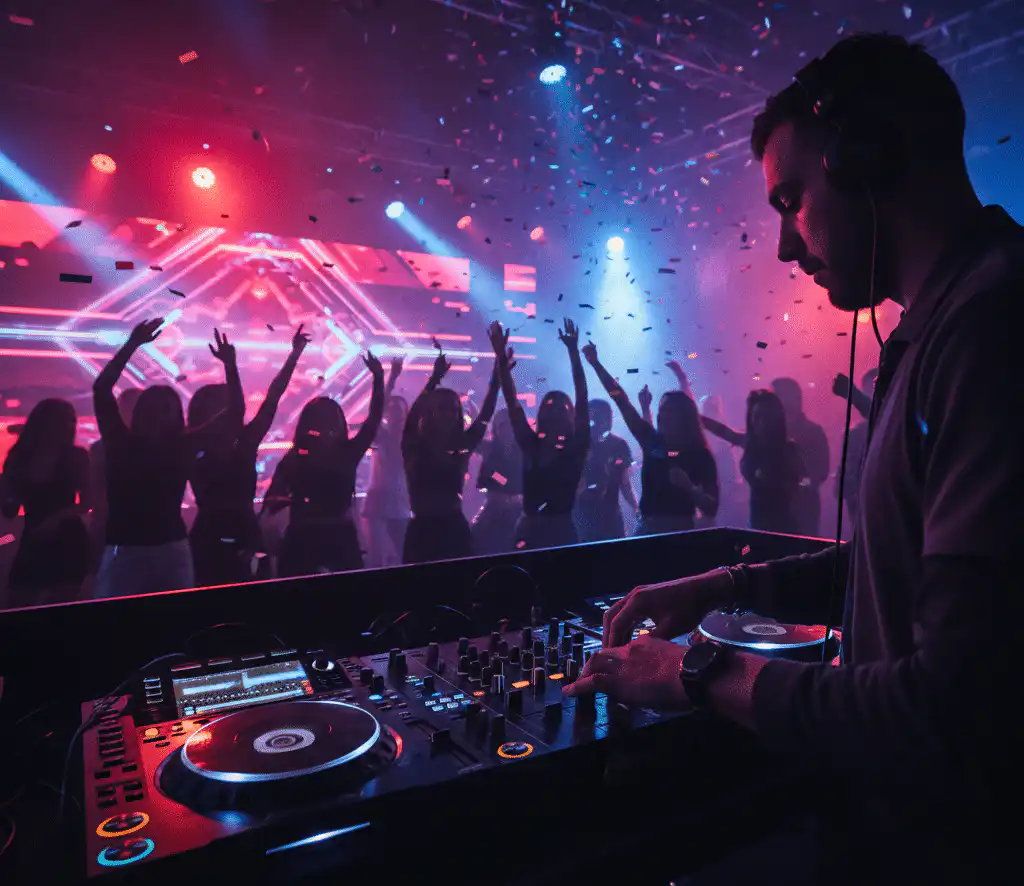
Music is the heartbeat of any event, shaping the mood and energy to create lasting memories. A great DJ uses song selection to connect with the audience and build a journey through sound. This skill goes beyond a playlist of hits, blending art and science to match the moment.
For planners, understanding its importance ensures choosing a DJ who can elevate the occasion. Book the top DJ, Will Gill, for your corporate event. He has over 2,000 five-star reviews to support his outstanding reputation. Check out his Instagram to enjoy fun clips featuring AT&T Business, CDW, Team USA, Virgin Galactic, and others!
Watch the clip below to see Will Gill perform on stage.
Setting the Mood and Guiding the Energy
Think of an event as a story with a beginning, a middle, and an end. Music is the soundtrack that guides guests through this story. The songs you choose set the tone from the very first moment.
The Welcome: Easing Guests In
When guests first arrive, the music should be welcoming and comfortable. This isn’t the time for loud, high-energy dance tracks. Instead, a DJ might select softer, ambient, or mid-tempo music that allows people to talk and mingle.
The goal is to create a relaxed atmosphere that eases everyone into the event. This initial song selection says, “Welcome, we’re glad you’re here. Relax and enjoy yourself.”
The Peak: Building to the Main Event
As the event progresses, the energy needs to build. At a wedding, this means moving from dinner music to the first dance, then to upbeat songs for dancing. For a corporate conference, it could be the upbeat music played during a break to keep attendees energized.
A skilled DJ reads the room and gradually increases the tempo and intensity, building excitement. This is where song selection becomes crucial for managing the flow of the event and keeping guests engaged.
The Wind-Down: A Smooth Farewell
Just as you don’t want to start an event with peak-hour energy, you don’t want to end it abruptly. The last part of the night needs a wind-down period. A DJ might play a few classic, feel-good songs that leave everyone with a sense of warmth and nostalgia. This brings the event to a gentle close, ensuring guests leave on a high note without feeling like the party just stopped.
Understanding the Audience is Everything
The most important rule in song selection is to know your audience. A playlist that works for a 21st birthday party will likely not work for a 50th-anniversary celebration. A professional DJ takes the time to understand the demographics and preferences of the guests.
Age and Musical Tastes
The age range of the audience is a major factor. Millennials like 90s hip-hop and 2000s pop, while older crowds favor Motown, classic rock, or 70s disco. A great DJ prepares for a mixed-age audience by having a wide variety of genres ready to go. They can then watch the crowd’s reactions and adjust their selections to find the sweet spot that gets everyone tapping their feet.
The Purpose of the Event
The type of event also dictates the music. A corporate awards gala requires a different vibe than a casual summer barbecue.
- Corporate Events: Music should be professional and sophisticated, but still engaging. Instrumental tracks, smooth jazz, or light pop can work well during networking periods. Upbeat but clean-edited music is great for celebration moments.
- Weddings: This is a deeply personal event. DJs collaborate with couples to mix their favorite songs with tracks that appeal to all ages. The music must follow the emotional arc of the day, from the ceremony to the final dance.
- Private Parties: These can be more flexible. The DJ may choose songs based on the host’s favorite genre or a party theme, like 80s night or a tropical luau.
Creating Unforgettable, Memorable Experiences
Exceptional song selection transcends merely filling silence; it crafts profound, lasting memories. Have you ever encountered a melody that instantly transports you to a vivid moment in time? Such is the transformative power of music.
A skilled DJ curates these unforgettable experiences, weaving soundscapes that etch themselves into the hearts of event guests. The DJ creates magic by skillfully adding classics or timing slow dances beyond just playing a playlist.
These memorable moments happen when the DJ connects with the event’s vibe and adjusts to its energy. This mastery transforms an ordinary gathering into an extraordinary experience, leaving an indelible impression that lingers in conversations for years.
Practical Tips for Effective Song Selection
For DJs and planners, here are tips for better song selection:
- Do Your Homework: Always talk to the event host beforehand. Understand their vision, their must-play songs, and, just as importantly, their do-not-play list.
- Read the Room: The most critical DJ skill is reading the crowd. Watch the dance floor to see if people are enjoying the music. Adjust genres or tempos to match the mood.
- Be Organized: Have your music library well-organized by genre, era, and mood. This allows you to quickly find the perfect song for any moment without awkward pauses.
- Think in Blocks: Don’t jump randomly between genres. Create small sets or “blocks” of 3-4 similar songs. This builds a consistent vibe before transitioning smoothly to something new.
- Have Surprises Ready: Keep a few universally loved, high-energy tracks in your back pocket. These are your secret weapons to revive a flagging dance floor or create a huge moment.
The Song Selection Criteria
Song selection criteria are about being thoughtful and intentional. It’s the invisible thread that ties an entire event together, ensuring every moment flows seamlessly into the next. For DJs, it’s their primary tool for connecting with an audience and showcasing their expertise. To host a great event, know this skill to hire a DJ who sets the vibe.