
How to Read a Room: Designing Calm, Clean, Corporate-Friendly Engagement
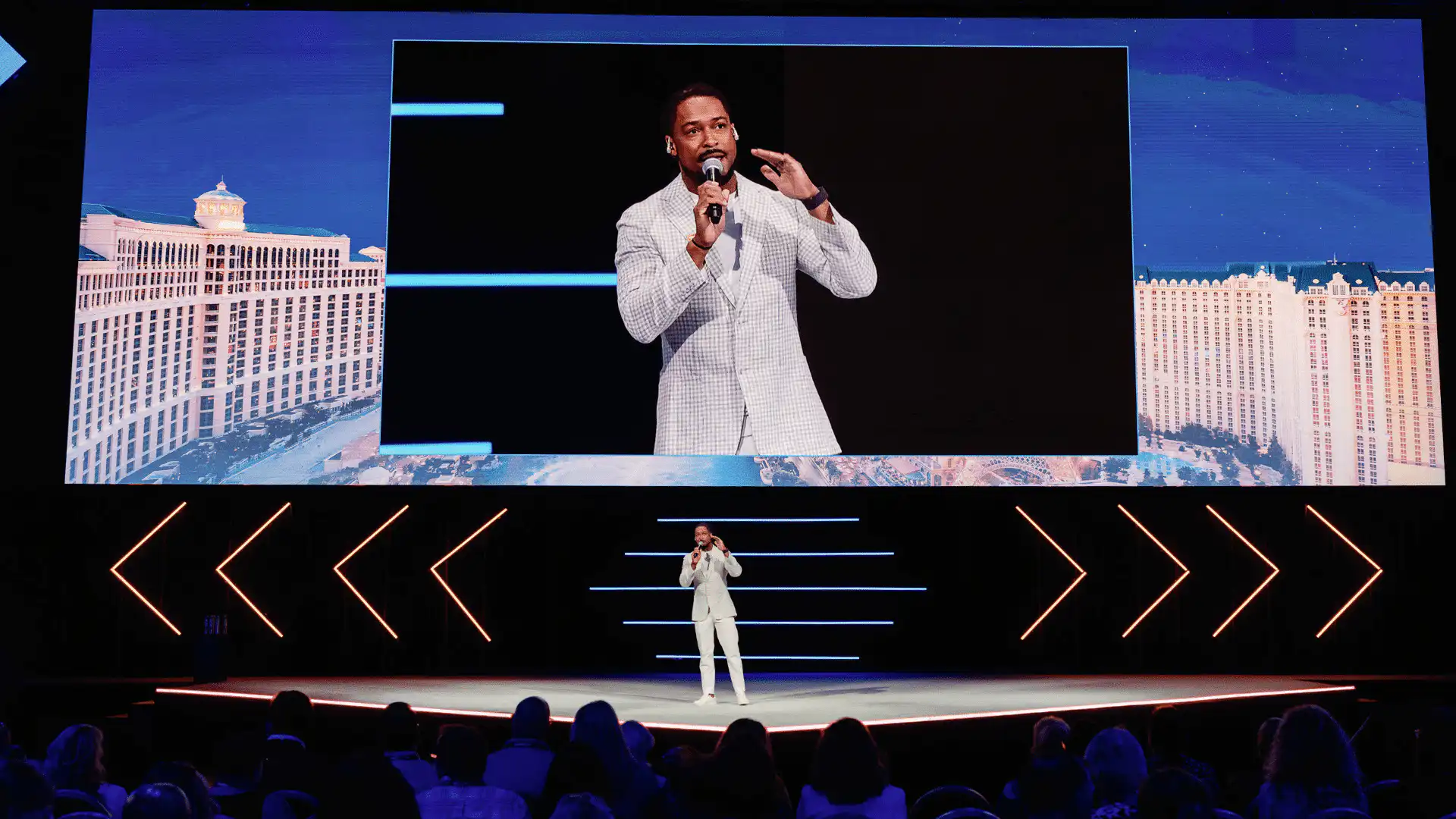
We have all been there. You walk into a meeting, and something feels off—maybe the speaker is too loud, or the activities seem too childish for the audience. This disconnect happens when event planners fail to ‘read the room.’ In the corporate world, reading the room isn’t just a social skill; it’s a strategic necessity.
It can mean the difference between an event that feels chaotic and one that feels polished. When you design engagement that respects your workplace atmosphere, you build trust.
For a seamless and professional event experience, book the top corporate event DJ Will Gill. He has over 2,000 five-star reviews as a testament to his incredible skills. This guide will help you create professional, engaging spaces by understanding your audience and choosing the right activities.
Watch Will Gill showcase his talent at various events in the video below.
Understanding Corporate Dynamics
Before you can design engagement, you have to understand who you are engaging. Corporate audiences are unique. They are often pressed for time, focused on results, and diverse in age and background.
The Value of Time and Professionalism
In a business setting, time is the most valuable currency. When people attend an event or a meeting, they are trading their work time for that experience. They expect that exchange to be worth it.
Respecting this dynamic starts with basics. Being on time is not just a suggestion; it is a requirement. If a session is scheduled for an hour, it should end in 59 minutes. This signals respect for everyone’s busy schedules.
Professionalism also means understanding boundaries. Corporate engagement should never feel forced or invasive. The goal is to invite participation, not demand it.
A calm approach works best here. Instead of high-energy hype that might feel out of place at 9 AM on a Tuesday, aim for a steady, welcoming tone. This allows people to warm up to the experience at their own pace.
Modern offices are melting pots of different generations. You might have Gen Z interns sitting next to Baby Boomer executives. This multi generational mix is a strength, but it also presents a challenge for engagement.
What works for one group might not work for another. Younger employees might love a digital scavenger hunt, while senior leaders might prefer a structured networking coffee break. The key is balance.
Designing for everyone means finding common ground. Avoid references that are too specific to one age group. Focus on universal themes like teamwork, innovation, or simple human connection. Activities that avoid pop culture or physical skills make everyone feel included and comfortable.
The Pillars of Corporate-Friendly Engagement
Creating a successful corporate event or engagement strategy relies on three main pillars: Safety, Appropriateness, and Reliability.
Safety First (and Second)
When we talk about safety in events, we often think of physical safety—no tripping hazards, clear exits. That is vital, but in a corporate setting, psychological safety is just as important.
Employees need to feel safe to participate without fear of embarrassment. Nobody wants to look foolish in front of their boss. This is why “funny” roasts or high-pressure improv games often fail in corporate settings.
They risk humiliating people. Instead, design engagement that makes people look good. Choose activities where there is no wrong answer. Focus on collaborative wins rather than individual failures.
When people feel safe, they open up. They share ideas. They connect authentically.
The “Clean and HR Approved” Standard
Corporate entertainment has a very specific line it cannot cross. It must be clean. This refers to language, content, and themes. A comedian who works in a comedy club might not work in a boardroom.
Every piece of content, every joke, and every activity must be hr approved in spirit, if not literally. This means avoiding controversial topics, politics, religion, or anything that could alienate a segment of your workforce.
This might sound restrictive, but it actually breeds creativity. It forces you to find humor and engagement in shared experiences that are positive and uplifting. Think about clean cleverness rather than edgy shock value. This ensures that the event builds bridges rather than burning them.
Reliability is Key
Imagine hiring a speaker who shows up late or a facilitator who forgets their materials. It reflects poorly on the organizer. In the corporate world, you need partners who are reliable.
Reliability means consistency. It means the experience delivered matches the promise made. If you promise a relaxing mindfulness session, it shouldn’t turn into a high-pressure sales pitch. If you promise a fun team-building hour, it shouldn’t be a lecture.
When you are designing engagement, vet your vendors and your plan thoroughly. Ask for references. Do a walkthrough. The more predictable the logistics are, the more you can focus on the actual human connection during the event.
Designing the Atmosphere
The atmosphere of a room dictates how people behave. You can shape this atmosphere through deliberate choices in layout, lighting, and pacing.
The “Calm” Aesthetic
Many corporate events suffer from sensory overload. Loud music, bright flashing lights, and constant noise can be exhausting. A “calm” design approach is often more effective, especially for senior leadership or thoughtful strategy sessions.
Think about the environment you want. Soft lighting, comfortable seating, and moderate volume levels encourage conversation. You want an atmosphere that lowers cortisol, not one that spikes adrenaline.
This doesn’t mean boring. It means intentional. A calm environment signals that this is a space for thinking and connecting. It respects the mental energy of the attendees.
Preparedness as a Design Element
Have you ever walked into a meeting where the organizer was scrambling to set up the projector? It creates immediate anxiety in the room. Being prepared is visible.
When attendees walk in, everything should be ready. Handouts should be stacked neatly. Technology should be tested. Music should be playing softly.
This visual preparedness sets a tone of competence. It tells the audience, “We are ready for you. You are in good hands.”
This allows the attendees to relax. They don’t have to worry about the logistics because they can see you have it handled. This relaxation is the foundation of good engagement.
Execution: The Art of the Flow
Once the stage is set, the execution of the event determines its success. This is where “reading the room” happens in real-time.
Managing the Energy
Even with the best plan, the energy in a room can shift. Maybe a previous meeting ran late and everyone is stressed. Maybe it’s right after lunch and everyone is sleepy.
A good facilitator or leader notices these shifts and adjusts. If the room is low energy, don’t try to force high energy immediately. Acknowledge the mood. “I know it’s been a long morning, so we’re going to keep this next part focused and brief.”
Start where they are, and slowly guide them to where you want them to be. If you need them excited, start with quiet engagement and build up. If you need them focused, start with a simple question to get their brains working.
Run of Show Coordination
The technical term for a schedule of events is the “run of show.” Detailed run of show coordination is the secret weapon of professional events.
This document outlines exactly what happens minute by minute. It details who is speaking, what lighting cues are needed, and when breaks occur.
Why is this so important for engagement? Because gaps kill momentum. If there is an awkward three-minute silence while a microphone is swapped, people check their phones. Once they check their phones, you have lost them.
Tight coordination ensures a seamless flow. One segment transitions smoothly into the next. This keeps the audience immersed in the experience. It feels effortless to them, but that effortlessness is the result of rigorous planning.
Selecting the Right Entertainment
Entertainment in a corporate setting serves a specific purpose. It isn’t just a distraction; it is a tool to reinforce the message or the vibe of the event.
Executive Friendly Options
High-level executives have seen it all. They are not easily impressed by standard tricks. Executive friendly entertainment needs to be sophisticated, intelligent, and brief.
Think of mentalists who challenge the mind, musicians with soothing background music, or speakers sharing real industry insights. The key is quality over quantity. Executives appreciate excellence. A world-class violinist playing for ten minutes is better than a mediocre cover band playing for an hour.
The entertainment should also respect their status. Avoid activities that require executives to do silly things on stage unless they have volunteered enthusiastically. Respect their dignity.
Creating Culture Building Moments
The ultimate goal of corporate engagement is to strengthen the company culture. You want to create culture building moments—shared experiences that employees will talk about later.
These moments don’t have to be grand. This could be a CEO serving coffee to the team. It could be a collaborative art project where everyone contributes a small piece. It could be a moment of genuine recognition for hard work.
To design these, look at your company values. If your value is “innovation,” bring in a speaker on creativity. If your value is “teamwork,” design a puzzle that can only be solved if different tables talk to one another. Aligning the activity with the culture makes it feel authentic rather than generic.
Practical Tips for Your Next Event
Ready to put this into practice? Here is a checklist to ensure your next corporate engagement is a success.
- Audit Your Audience: Who are they? What is their average age? What is their stress level likely to be?
- Check the Calendar: Is this event happening during a busy quarter end? If so, keep it brief and low-stress.
- Review the Content: Look at every slide, script, and activity through the lens of HR. Is it inclusive? Is it appropriate?
- Walk the Space: Stand in the back of the room. Can you hear? Can you see? Is the temperature okay?
- Brief Your Team: Make sure everyone knows the run of show. Everyone should know their role.
Dealing with the Unexpected
No matter how well you plan, things happen. Reading the room also means handling the unexpected with grace.
If the technology fails, don’t panic. Have a backup plan. If a speaker makes an off-color joke, address it quickly and move on. “Let’s get back on track.”
Your reaction sets the tone for the room. If you stay calm, the room stays calm. If you get flustered, the audience gets uncomfortable.