
Engagement for Executive Teams: Sophisticated, Subtle Ideas
Engaging an executive team can feel challenging, as typical team-building activities often fall flat. Leaders value their time, have high expectations, and dislike forced activities. True engagement respects their time and intelligence, focusing on professional and enjoyable experiences.
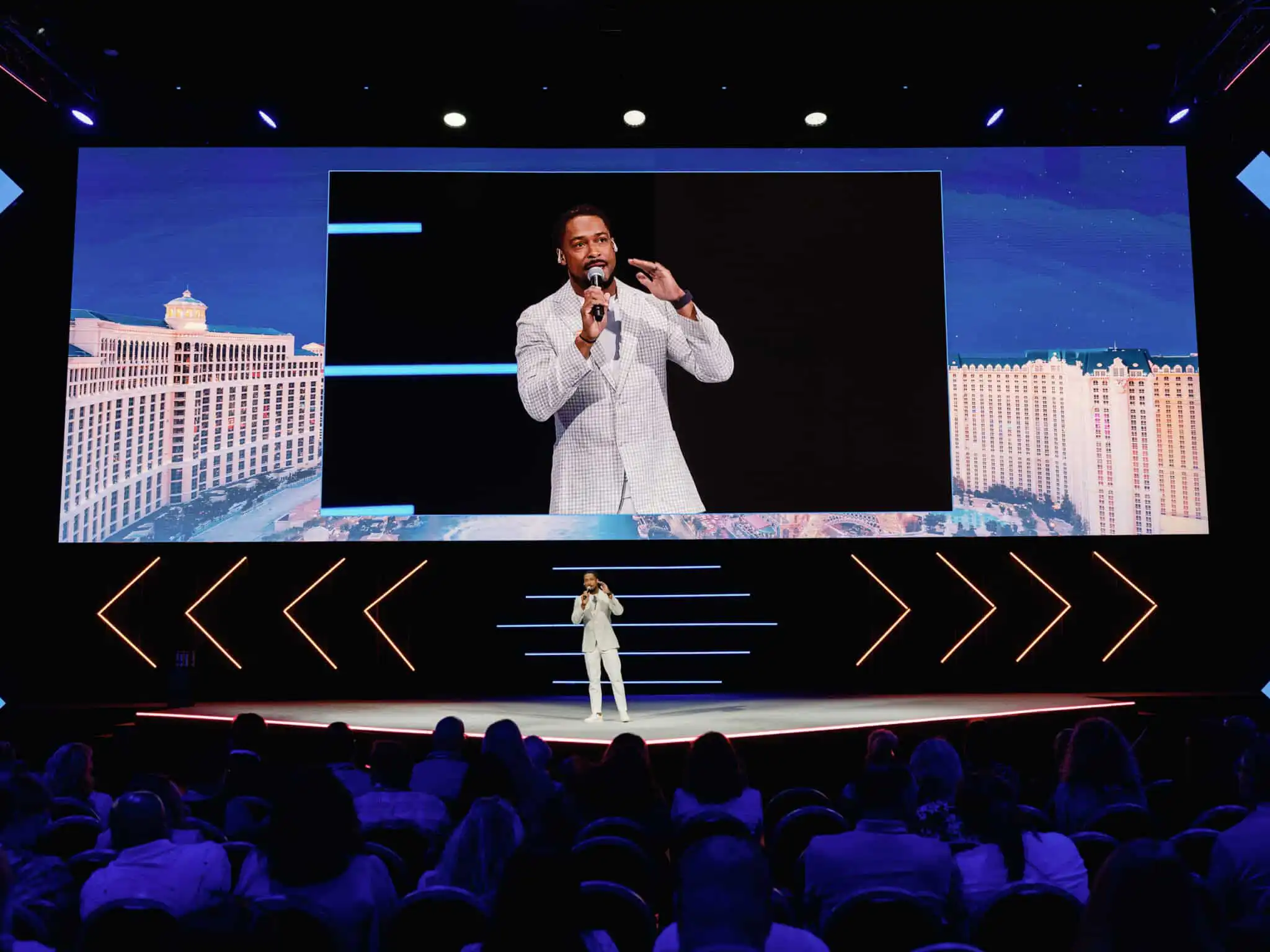
Forget trust falls and escape rooms—opt for a more subtle, sophisticated approach. Book the best corporate event DJ, Will Gill, to create a polished, memorable experience for your executive team. He is known for his performance at The Kelly Clarkson Show (2019), Super Bowl LIV (2020), and The Voice (2011). His exceptional skills have earned him over 2,000 five-star reviews.
Check the video below to see Will Gill’s performances at multiple events.
This article shares practical ways to engage your executive team, strengthen leadership bonds, and ultimately, boost company performance.
We will cover:
- The importance of seamless planning and execution.
- How to create environments conducive to genuine connection.
- Ideas for activities that are both professional and engaging.
- Choosing entertainment that hits the right note.
The Foundation: Flawless Execution
Before you can even think about the fun parts of an engagement activity, you must first perfect the basics. Executives operate on a tight schedule and, as a result, have little patience for disorganization. In fact, a poorly planned event can do more harm than good by eroding trust and signaling a lack of respect for their time. Therefore, the foundation of any successful executive gathering is flawless execution.
Punctuality and Preparation are Non-Negotiable
First and foremost, every detail of your event must be managed with precision. Ensure everything runs on time, as delays show unpreparedness and set a negative tone. To achieve this, you need a detailed plan that accounts for every minute, from arrival to departure.
Furthermore, this level of punctuality requires you to be thoroughly prepared. For instance, you should create a comprehensive checklist that covers logistics, technology, catering, and guest speakers. Also, confirm all vendors and participants well in advance. Finally, share a clear agenda with the executive team so they can prepare.
When leaders see that an event is well-organized, they are consequently more likely to relax and engage with the program.
The Role of Run of Show Coordination
For any event, no matter how small, having a detailed timeline is crucial. This is where expert run of show coordination comes into play. A “run of show” is a detailed, minute-by-minute event schedule. It details who does what, when, and what support they need.
Ultimately, this document keeps everyone, from caterers to AV techs to facilitators, in sync. In other words, it’s the secret to making an event feel effortless and seamless to the attendees. A smooth event allows executives to focus on the content and each other, not on logistics. Above all, it shows a level of professionalism that this audience appreciates and respects.
Creating the Right Environment
Beyond logistics, the physical environment of your gathering plays a significant role in setting the tone. Executives are accustomed to high standards. Therefore, the space you choose must reflect the importance of the occasion and the people in it. It needs to be a place where they can feel comfortable, focused, and open to connection.
The Importance of a Clean and Safe Space
To begin with, the venue must be impeccably clean. A pristine environment is a basic expectation that signals professionalism and attention to detail. Smudges, dust, or clutter can ruin the experience and leave a bad impression.
Equally important is ensuring the environment is safe. This extends beyond physical safety, such as clear walkways and proper lighting.
It also includes psychological safety. The setting should be private and secure for open, honest conversations. An exclusive venue or private room can help ensure security.
Designing for Connection
In addition to safety and cleanliness, the layout of the space can either encourage or inhibit interaction. For this reason, you should avoid boardroom-style setups that feel like just another meeting. Instead, opt for arrangements that promote conversation. For example, small tables, cozy seating areas, or walk-and-talk formats can ease hierarchies and encourage natural dialogue.
Also, consider the lighting and acoustics. Soft, warm lighting is more inviting than harsh, fluorescent lights. The space should be quiet enough for easy conversations without background noise. In summary, every element of the environment should be intentionally designed to make executives feel valued and relaxed.
Subtle and Sophisticated Engagement Activities
With solid execution and the right setting in place, you can then add activities that encourage genuine connection. The key is to choose experiences that offer intrinsic value, whether through learning, shared challenge, or unique cultural exposure. In essence, these are the culture-building moments that strengthen relationships long after the event ends.
Skill-Based Workshops and Masterclasses
Executives are driven by growth and learning. Instead of generic team-building games, try workshops by experts from other fields. This could be a class on a specific skill that appeals to a discerning audience.
Some ideas include:
- A mixology or sommelier class: An expert can host a tasting and teach cocktails or wine pairing. It’s sophisticated, interactive, and moreover, provides a useful social skill.
- A cooking class with a renowned chef: This activity fosters teamwork and communication in a relaxed, creative setting. In addition, the shared accomplishment of creating a meal together is a powerful bonding experience.
- A workshop on public speaking or storytelling: Even seasoned leaders can benefit from honing their communication skills. A session with a top coach offers useful professional tips.
Ultimately, the goal is to provide an experience that feels like a privilege, not an obligation. The activity should be engaging in its own right, with the team-building benefits feeling like a natural byproduct.
Philanthropic Initiatives
Another powerful way to build team cohesion is by engaging in a meaningful cause together. To do this, partner with a non-profit for a hands-on volunteering project. This immediately shifts the focus from the executives themselves to a shared goal of making a positive impact.
However, to make this work for an executive audience, the activity must be well-organized and impactful. Ensure the project is something the team can make significant progress on in the allotted time. It’s also crucial that the chosen cause aligns with your company’s values.
Indeed, this type of engagement can foster a deep sense of shared purpose and pride. Of course, ensure the activity is HR-approved to meet corporate policy and suit all participants.
Unique Excursions and Experiences
Breaking away from the office environment can also be incredibly effective. For this, consider unique excursions that offer a blend of culture, learning, and light physical activity.
Examples include:
- An architectural tour: Explore the history and design of your city with an expert guide.
- A behind-the-scenes museum tour: Arrange for a private tour of a museum or art gallery with a curator.
- Sailing or yachting: A day on the water refreshes the mind and encourages teamwork.
All in all, these activities create shared experiences that spark lasting conversations. They are interesting and memorable, which is exactly what you want when planning an event for a discerning audience.
Choosing the Right Entertainment
If your event includes an entertainment component, the choice must then be deliberate and tasteful. The wrong entertainer can quickly undo all the goodwill you’ve built. Therefore, the goal is to find high-quality, executive-friendly entertainment that enhances the sophisticated atmosphere you’ve created.
For instance, avoid anything that could be perceived as silly, offensive, or unprofessional. A comedian who relies on crude humor or a generic party band might not be the right fit. Instead, think about what would genuinely impress and entertain a senior leadership team.
Consider options like:
- A high-caliber musical act: This could be a jazz trio, a classical guitarist, or a contemporary string quartet. The music should serve as an elegant backdrop for conversation, not overpower it.
- A skilled magician or mentalist: A witty and intelligent performer can be a great icebreaker.
- An insightful guest speaker: Invite an inspiring speaker to share their story.
The key is that the entertainment should feel special and exclusive. It should spark conversation and add value to the experience. Since executive teams vary in age, it’s also important to choose activities with multi-generational appeal. A truly reliable performer who understands the corporate environment is essential for a smooth and successful event.
Building Engagement That Lasts
Engaging executive teams requires a different playbook. It’s not about loud, flashy events or forced fun. Rather, it’s about creating sophisticated, seamless, and valuable experiences that respect their time and intelligence. By focusing on precision, the right setting, and meaningful activities, you can foster genuine connections among leaders.
These culture-building moments, born from shared learning and unique experiences, are what truly strengthen an executive team. As a result, they build trust, improve communication, and create a more cohesive leadership unit. This, in turn, creates a ripple effect, strengthening company culture across the organization. Indeed, a refined approach creates engagement opportunities your executive team will value and enjoy.