
Why Hire a DJ for Your Event? | DJ Will Gill’s Honest Answer
The question of why to hire a DJ for your event has a different answer depending on whether you are asking a DJ, asking an event planner who has experienced both good and bad entertainment, or asking an attendee who has been at an event where the entertainment lifted the entire room versus one where it fell flat. This article gives you the honest, experience-based version of the answer not a sales pitch, but a practical breakdown of what a professional DJ actually delivers and why that delivery matters for the outcome of your event.
After performing at 600+ events ranging from Fortune 500 corporate conferences to private galas, the pattern of what makes entertainment genuinely valuable to an event is something I can describe with specificity. The reasons to hire a DJ are not just about music they are about energy management, program flow, audience connection, and the professional infrastructure that gives event planners the peace of mind to focus on everything else that needs their attention.
“A Spotify playlist plays songs. A professional DJ reads the room, manages the energy arc of your entire event, and handles what goes wrong before your guests ever notice it happened. Those are genuinely different things.”
A Professional DJ Manages the Energy of Your Entire Event
The most important and least understood reason to hire a DJ for your event is energy management the ongoing, real-time work of keeping the room at the right emotional pitch from the first guest’s arrival through the last song of the night. This is not about volume levels or song popularity. It is about understanding the arc of an event and having the skill to move an audience through that arc intentionally.
A cocktail hour has a different energy requirement than a dinner service, which has a different requirement than an awards presentation, which is different again from a post-program dance set. A professional DJ understands these distinctions and transitions between them smoothly. They read the room literally watching the audience, assessing their energy level and mood in real time, and making music selection decisions that respond to what is actually happening in the space.
A pre-made playlist cannot do this. It plays the next song in the queue regardless of whether the room is ready for it. Streaming services do not know that the after-dinner speaker is running ten minutes long and the transition to dancing needs to compensate for a slightly restless audience. A professional DJ does, and adjusts in real time without anyone in the audience noticing.
Open-Format Music Coverage That Serves Every Guest
Events bring together people with different ages, backgrounds, and musical tastes a single company’s employees might span five decades of musical reference points, and a family gathering might span even more. A professional open-format DJ has the musical knowledge and library to serve every segment of a mixed audience rather than picking one genre and losing everyone else.
Open-format DJing is a specific skill. It requires extensive music knowledge across genres and decades, the technical ability to transition between very different styles of music without creating jarring sonic whiplash, and the crowd-reading judgment to know which direction to push the room at any given moment. A DJ who can move from classic Motown to current hip-hop to a classic rock singalong and back to contemporary pop all in a single set, all in service of a specific audience’s energy has built a capability that takes years to develop.
This breadth of coverage is what separates a professional event DJ from a specialist performer. At a corporate event or a large private celebration, you need someone who can serve the 60-year-old VP who is on the dance floor with the 28-year-old new hire. That combination requires open-format mastery, and it is one of the most specific and valuable things a professional DJ brings to your event.
Seamless Program Flow and Transition Management
At any multi-segment event a corporate dinner with speakers, an awards gala, a wedding reception with toasts and cake cutting, a conference with general session and networking the transitions between program segments are where events most commonly lose their momentum. Speakers run long. Presentations take longer to queue up than expected. A segment wraps early and there is dead air before the next element is ready. These moments, when handled poorly, make the audience fidgety and pull them out of the experience.
A professional DJ handles these transitions filling the gaps between segments with music that maintains the appropriate energy level, making announcements that bridge program elements professionally, and coordinating with the show caller or event coordinator to stay aligned with the run-of-show as it evolves in real time. This function is invisible to the audience when it is done well, which is exactly how it should be. The event simply flows.
The DJ’s ability to fill transition moments with the right music at the right volume something that keeps the room from going flat without competing with conversations or announcements that need to happen is one of the most practically valuable things they provide, and it is one of the functions that no pre-made playlist or streaming service can replicate.
The DJ as Event Host and Emcee
In professional event contexts and especially in corporate events the DJ frequently serves dual functions as both music performer and event emcee. This means handling microphone responsibilities: introducing speakers, reading program content for award announcements, facilitating interactive crowd moments, making logistical announcements (dinner is served, please find your seats, the silent auction closes in 15 minutes), and generally serving as the live host presence that guides the audience through the event’s program.
A DJ who can do both of these things manage the music and command the microphone with warmth and professionalism provides a coherence and continuity to an event’s audio atmosphere that split functions cannot match. The person speaking into the microphone and the person controlling the music are the same person, operating with the same read on the room and the same understanding of where the event needs to go.
Event planners who have worked with a professional DJ-emcee versus either function performed separately consistently report that the integrated approach produces a better event experience. There is no handoff between the DJ and the MC, no stylistic inconsistency between the two roles, and no moment where the two people responsible for the room’s energy are out of sync with each other.
Professional Technical Infrastructure and Reliability
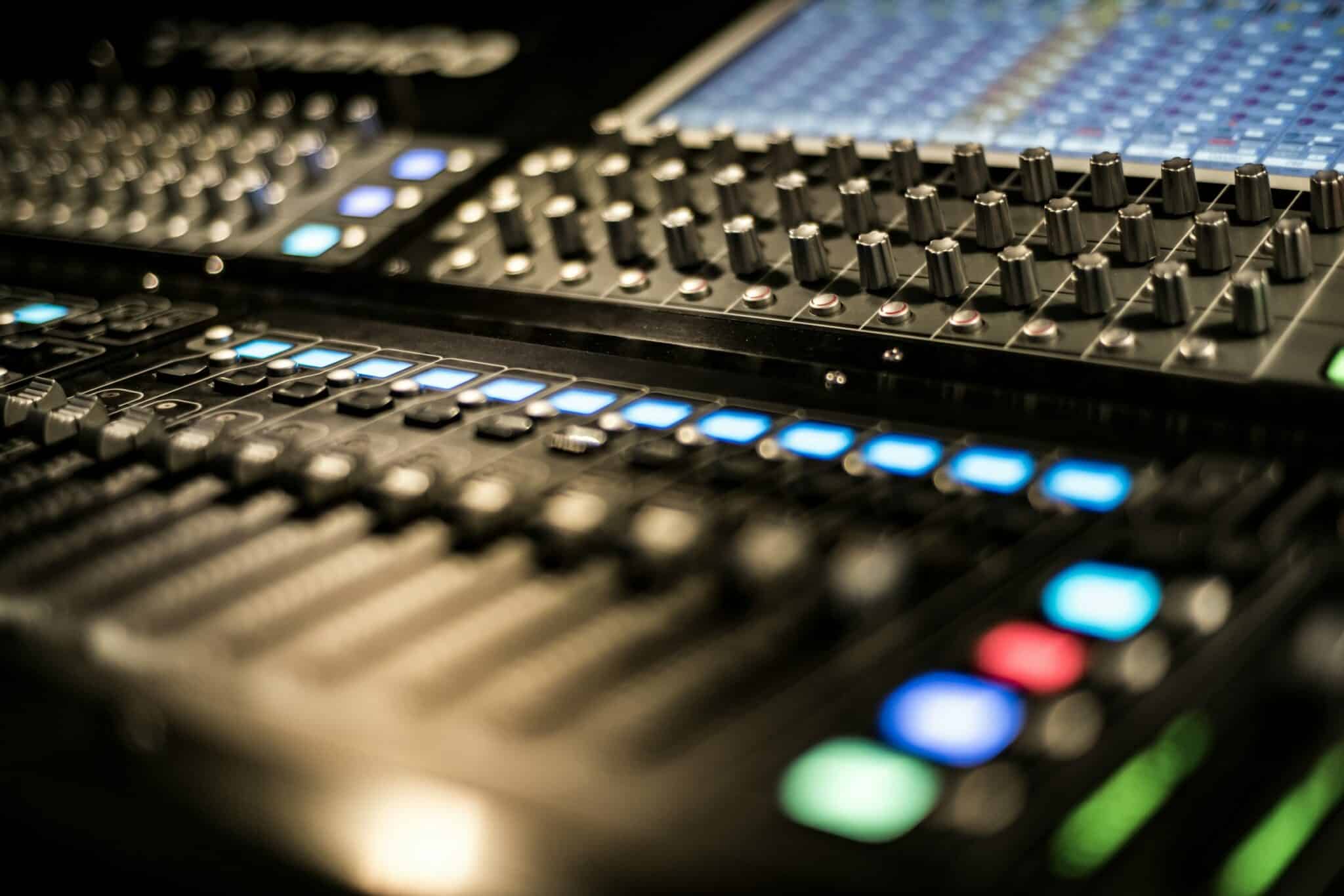
A professional DJ arrives with their own high-quality sound system, properly sized and configured for the event space, set up before guests arrive, tested through a sound check, and ready to perform. This is a significant operational contribution that event planners sometimes underestimate until they have planned an event without it.
Professional DJ sound systems are calibrated for the specific acoustic environment. The DJ understands how to position speakers for even coverage, how to manage bass at levels that feel good without creating distortion, and how to adjust EQ settings to account for the way an audience absorbs sound differently than an empty room. The difference between a well-configured professional sound system and a venue’s built-in audio or a consumer-grade speaker setup is immediately audible to every person in the room.
Professional DJs also bring backup equipment spare cables, backup audio interfaces, contingency plans for equipment failure and have the experience to handle technical issues quickly and without disrupting the event’s flow. Guests rarely know that something went wrong, because the DJ resolved it before it became visible. This reliability is worth enormous value to the event planner who has invested significant time and money in an event that depends on the entertainment performing exactly as planned.
A Tailored Experience Built Around Your Specific Event
A professional DJ invests time before the event to understand what you need and to build a performance plan around it. Pre-event conversations about the event’s goals, the audience demographics, the run-of-show, the music preferences and restrictions, any special moments that need specific musical support (a first dance, an award reveal, a CEO entrance) all of this preparation happens before the day of the event and is what allows the performance itself to feel specific to your event rather than generic.
This personalization is one of the most tangible things that separates a professional DJ from a playlist or streaming service. The DJ knows that your company’s leadership team is from a generation that grew up with 80s and 90s music and that the younger employee demographic needs to feel included too, so they build a set that serves both without feeling like a compromise to either. They know the exact moment when the fund-a-need appeal will happen and what musical tone will support the room in that moment. They know the awards recipient’s favorite song to play when they walk to the stage.
DJ vs. Playlist: What You Actually Lose Without a Professional
What a Streaming Playlist Cannot Do at Your Event
| Read and respond to the room | A playlist plays the next song. A DJ watches the audience, assesses their energy and response, and selects the next song based on what the room actually needs in that moment. These produce measurably different results over the course of a 4-hour event. |
| Adapt to schedule changes | Events never run exactly on time. A DJ adapts extending background music when a program segment runs long, compressing a set when something ends early, pivoting to fill an unexpected gap. A playlist keeps playing the next track regardless. |
| Host and facilitate from the mic | A playlist cannot introduce your keynote speaker, facilitate an audience interactive moment, or make the announcement that brings 300 people to attention for your CEO’s toast. A DJ-emcee can do all of these things professionally. |
| Handle technical problems | When a cable fails, a connection drops, or a speaker blows during your event, a professional DJ resolves it quickly and without disrupting your audience’s experience. Without a professional present, a technical failure becomes your problem to solve in real time. |
| Create genuine crowd moments | The moments people remember from great events the song that put everyone on the dance floor, the interactive moment that made strangers feel like a team, the musical cue that perfectly landed a program transition require a human performer making real-time decisions, not an algorithm. |
| Coordinate with your team | A professional DJ is a production partner communicating with your show caller, coordinating with your AV team, supporting your venue’s timeline — in a way that no streaming service or playlist can be. They are a person on your team on the night of your event. |
What to Look for When Hiring a DJ for Your Event
Not all DJs deliver on the promise that this article describes. The quality difference between a professional corporate event DJ and a general-market DJ who happens to work events is significant and consequential. When evaluating DJs for your event, the most reliable signals of professional quality are verified reviews from real corporate event clients (not just friends, fans, or wedding clients), named corporate client references, and verifiable professional credentials like press recognition from credible business media.
A volume of verified Google reviews is the single most reliable external signal of quality and professionalism it is impossible to fake 2,520 five-star reviews from named, verified clients over years of professional operation. Press recognition from outlets like the Wall Street Journal or Forbes signals that someone outside the DJ’s immediate market has independently evaluated and confirmed their expertise and results.
Communication quality during the booking process is also a meaningful quality signal. A DJ who responds promptly, asks the right pre-event questions, and provides a professional contract without being asked is demonstrating the same professionalism in their business operations that you can expect from their performance. A DJ who is hard to reach, vague about their process, or reluctant to provide a formal contract is signaling the opposite.
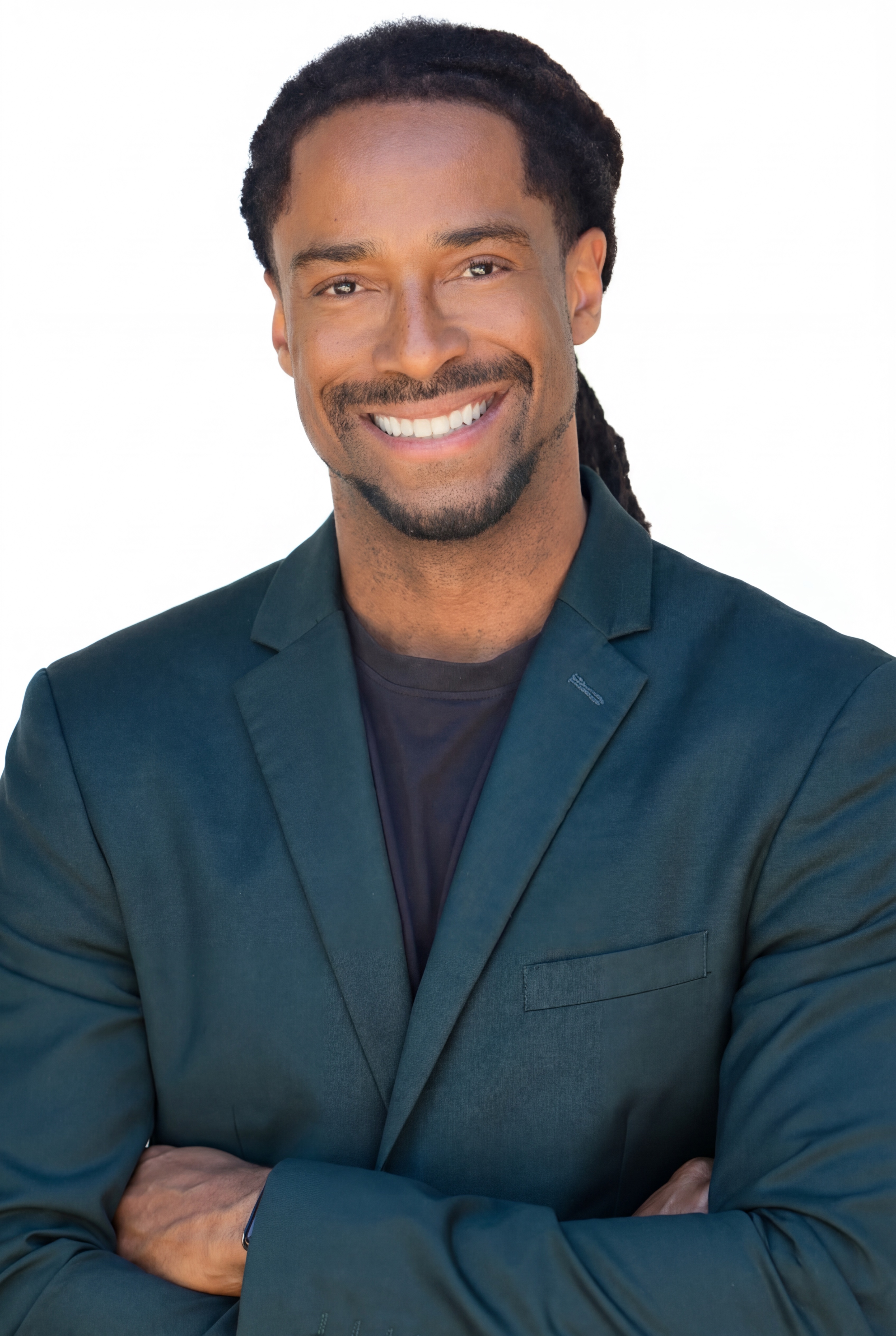
DJ Will Gill
Will Gill is a Forbes Next 1000 honoree and WSJ-ranked #1 Corporate DJ and Emcee with 2,520+ five-star Google reviews. He has performed at 600+ Fortune 500 corporate and private events, bringing a 3-in-1 service (DJ + Emcee + Audience Engagement) that is the entertainment standard for events that need to deliver on both their programming and their energy goals.
Learn more and check availability for your next event.
Fortune 500 Events Performed
Five-Star Google Reviews
WSJ-Ranked Corporate DJ
Frequently Asked Questions
Why hire a DJ instead of a playlist?
A playlist plays songs; a professional DJ reads the room, manages the energy arc and handles what goes wrong before guests notice.
What is energy management?
Keeping the room at the right emotional pitch from arrival to last song, moving through cocktail, dinner, awards and dance with intent.
What is open-format coverage?
Music that serves every guest across genres.
Can the DJ also host?
Yes, the guide covers the DJ as event host and emcee.
What do I look for when hiring?
The closing section lists what to look for.