
How We Train Event Teams in Engagement Design
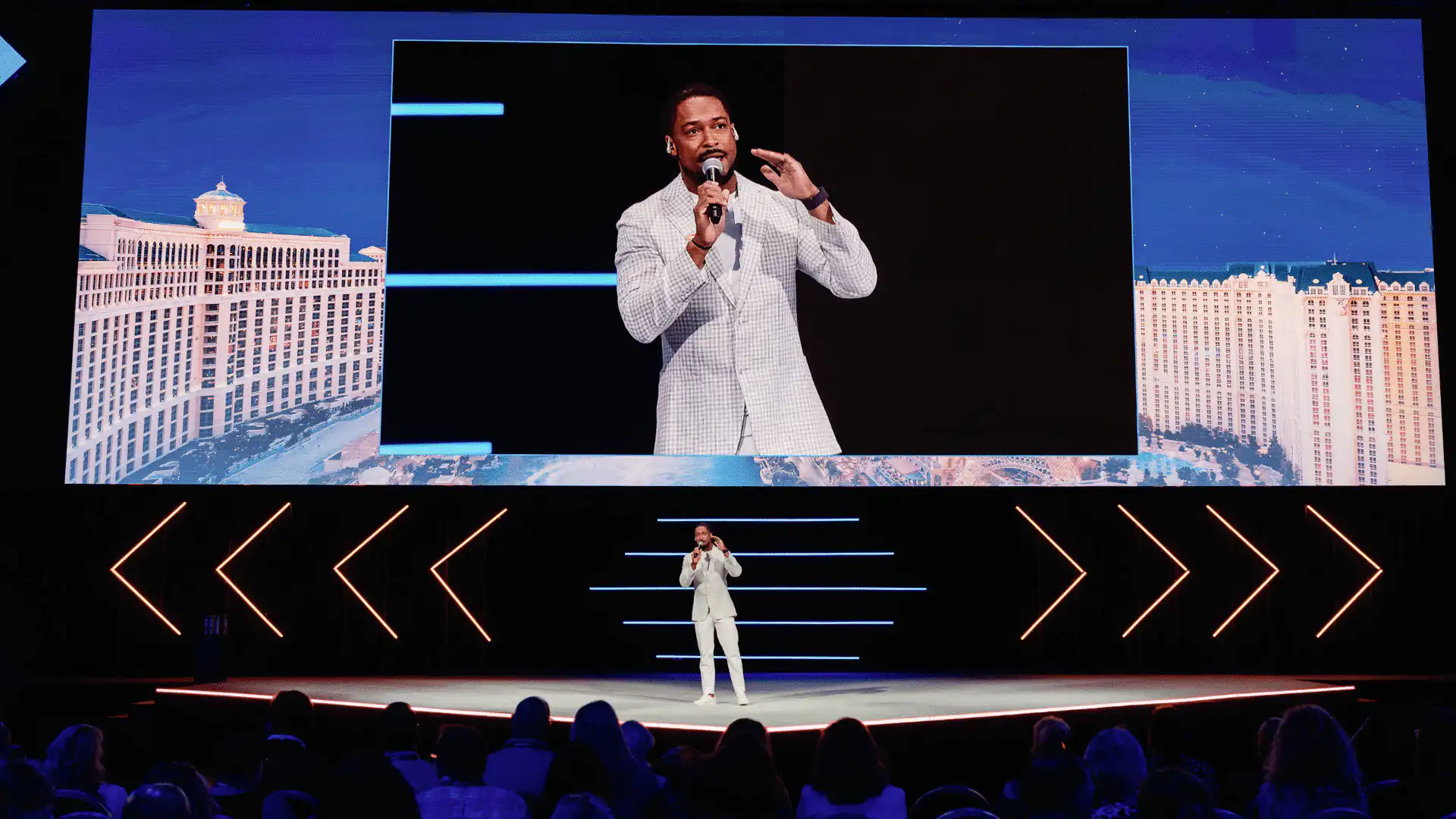
Great events don’t happen by accident; they rely on teams skilled in human connection. This is the essence of Engagement Design—a strategic approach to creating meaningful guest interactions. Our training goes beyond schedules, immersing teams in a philosophy that elevates every experience. Every interaction becomes an opportunity to enhance the event.
For an unforgettable event, partner with the best DJ Will Gill. He has received over 2,000 five-star reviews. Check his Instagram for thrilling highlights with AT&T Business, CDW, Team USA, Virgin Galactic, and many more!
Watch the video below to witness Will Gill performing live at events.
Here’s how we train our teams to master Engagement Design, making every event memorable.
The Foundation: Mindset Over Mechanics
Most training programs start with the “what.” What time to arrive, what to wear, what to do. We start with the “why.” Before a team member ever puts on a badge, they need to understand the purpose of the event.
We call this “The Host Mindset.” We train our staff to think less like security guards or ushers and more like hosts inviting friends into their home. A host anticipates needs. A host notices when someone looks lost or uncomfortable.
This shift in perspective changes everything. Instead of waiting for instructions, our team members look for opportunities to help. They don’t just scan badges; they welcome people by name. They don’t just stand by the door; they open it with genuine warmth.
Reliability as the First Impression
The most brilliant engagement strategy in the world will fail if the basics aren’t covered. Trust is the currency of events, and trust starts with reliability. If a team member is late, the entire operation feels the stress. That anxiety trickles down to the client and, eventually, the guests.
We emphasize that being on time is actually being late. We train our teams to be early. This isn’t just about clocking in; it’s about settling in. Arriving early allows staff to check their equipment, walk the space, and get into the right headspace before the first guest arrives.
Being prepared goes hand-in-hand with punctuality. Preparation means knowing the answers to the most common questions before they are asked. A prepared team member is a confident team member, and confidence puts guests at ease.
Finally, we drill the importance of being reliable. In the chaos of a live event, things will go wrong. A speaker will run late. A microphone will fail.
The Art of the Environment
Engagement design isn’t just about talking to people; it’s about managing the environment they inhabit. We train our teams to have “event eyes.” This means constantly scanning the space for anything that disrupts the experience.
A messy table isn’t just clutter; it’s a distraction. An overflowing trash can isn’t just garbage; it signals a lack of care. We teach our staff that keeping the venue clean is everyone’s job, not just the janitorial staff. If they see a wrapper on the floor, they pick it up.
Beyond cleanliness, the environment must be safe. Safety might seem boring, but we make it a key part of hospitality in our training. Guests cannot engage if they don’t feel secure. We train our teams to spot trip hazards, keep fire exits clear, and manage crowds gently but firmly.
The best event logistics are invisible. Guests should flow from one session to the next without ever realizing the complex coordination happening behind the scenes. Achieving this requires rigorous training in run of show coordination.
We walk our teams through the entire event timeline, minute by minute. They need to know not just their own cues, but how their role fits into the larger picture. If the keynote speaker finishes five minutes early, does the catering team know to bring out the coffee sooner? If a breakout session runs long, how do we manage the hallway traffic?
We use simulations to practice this coordination. We throw curveballs—a power outage, a missing VIP, a sudden rainstorm—and watch how the team reacts. The goal is to build a collective instinct. When everyone knows the run of show inside and out, they can move as one unit.
Building Culture in Real Time
Events are temporary communities. For a few hours or days, a group of strangers comes together around a shared interest. Our team’s job is to accelerate the formation of that community. We train them to identify and facilitate culture building moments.
These are the small, unscripted interactions that build connection. It might be introducing two guests who have similar nametags. It might be starting a round of applause for a nervous speaker. It might be snapping a photo for a group of friends.
We teach our staff to be “social alchemists.” They look for people standing alone and gently bring them into the fold. They use positive body language to raise the energy in a room. They celebrate the event’s specific culture, whether it’s a serious academic conference or a wild tech startup launch.
Inclusivity and Professionalism
Modern events bring together a diverse range of people. Our training places a heavy emphasis on inclusivity and adaptability. A strategy that works for a group of college students might not work for a board of directors.
We train our teams to be multi generational in their approach. This means understanding different communication styles and values. Younger guests may prefer text updates, while older ones might like printed agendas and face-to-face chats. We teach our staff to read these cues and adjust their style accordingly.
This adaptability extends to entertainment and content. We ensure our teams understand the concept of executive friendly entertainment. This doesn’t mean boring; it means appropriate and polished. High-level executives have seen it all.
The Human Resources Standard
In the event industry, the line between fun and unprofessional can sometimes blur. That is why our training is strictly HR approved. We have clear guidelines on conduct, harassment, and professional boundaries.
We don’t view these rules as restrictions; we view them as protections. They protect our team, our clients, and our guests. We provide clear guidelines for handling common event issues like alcohol, late networking, and stress.
Our staff knows that their behavior reflects on the client’s brand. We train them to be ambassadors of professionalism. This creates a safe and respectful environment for everyone. When a team knows exactly where the line is, they can operate with confidence and freedom within those boundaries.
Scenario-Based Learning: The “What If” Game
Lecture-style training only goes so far. People learn best by doing. That is why a huge portion of our training involves scenario-based learning. We call it the “What If” game.
We gather the team and present a situation:
- “What if a guest arrives and isn’t on the registration list?”
- “What if the vegetarian meals don’t show up?”
- “What if a VIP guest is unhappy with their seat?”
We ask the team to solve these problems in real-time, using the principles of Engagement Design. We critique their responses, not just on the technical solution, but on the emotional delivery.
This practice builds muscle memory. When these situations inevitably happen during the live event, the team doesn’t panic. They have been there before. They know the script.
Emotional Intelligence and Empathy
At the core of all our training is emotional intelligence (EQ). Events are high-emotion environments. People are excited, nervous, tired, or overwhelmed. A great event staffer can read these emotions and respond with empathy.
We teach active listening skills. We train our team to listen not just to what a guest is saying, but to what they are feeling. If a guest is complaining about the air conditioning, are they really just cold, or are they feeling stressed and out of control? A blanket might fix the temperature, but a kind word and a genuine check-in fixes the feeling.
We also focus on self-regulation. Event work is exhausting. It’s easy to get snappy when you’ve been on your feet for ten hours. We teach our teams techniques for managing their own energy and emotions.
The Debrief: Learning from Experience
Training doesn’t end when the event starts. In fact, the event itself is the best classroom. We view every project as a learning cycle.
During the event, we have quick stand-up meetings to address issues and share wins. We encourage “live coaching,” where managers give immediate, constructive feedback to staff. “I loved how you handled that registration issue, but next time, try walking them to the elevators instead of just pointing.”
After the event, we conduct a thorough debrief. We look at what worked and what didn’t. We ask the team for their insights—they are the ones on the front lines, so they often see things the organizers miss.
This feedback loop is critical. It allows us to constantly refine our training and improve our processes. It also shows the team that their opinion matters, which boosts morale and retention.
Why This Matters
You might wonder if all this training is really necessary. Can’t you just hire nice people and hope for the best?
We believe that hope is not a strategy. The event market is crowded. People’s time is valuable. If you ask someone to give up a day or a week to attend your event, you owe them an experience that is worth it.
When an event team is untrained, the friction is palpable. Lines are long, answers are vague, and the energy is low. Guests leave feeling drained.
When a team is trained in Engagement Design, the difference is night and day. Problems are solved before they become complaints. The atmosphere is electric. Guests feel seen, heard, and valued.
This level of service doesn’t just create happy guests; it creates loyal advocates. It turns an ordinary conference into a “must-attend” industry staple. It turns a corporate retreat into a transformative team-building experience.
The Effort Takes Training Event Teams
Training event teams in Engagement Design takes effort, but the rewards are priceless. We are building more than temporary staff; we are creating a culture of hospitality.
Our professionals go beyond logistics to focus on building human connections and delivering great experiences through reliability, preparation, and understanding. They are trained to be safe, professional, and ready for any situation, treating everyone with care and respect. In a digital world, face-to-face interaction is more valuable than ever.
When people come together, magic happens—but it needs a stage and a skilled crew to set it. The next time you feel at ease and engaged at an event, take a look around. What you see isn’t luck; it’s Engagement Design in action. It’s a team trained not just to work, but to welcome.
Key Takeaways for Your Team
If you are looking to elevate your own event team, start with these steps:
- Define the Why: Ensure every team member knows the purpose of the event and their role in it.
- Focus on the Basics: Punctuality and preparation are non-negotiable.
- Train for Empathy: Teach your staff to read emotions and respond with kindness.
- Practice Scenarios: Use role-playing to prepare for the unexpected.
- Debrief and Refine: Learn from every event to make the next one even better.
By adopting these principles, you can transform your event staff from simple workers into true engagement designers.