
How Strategic Engagement Outperforms Star Power at Corporate Events
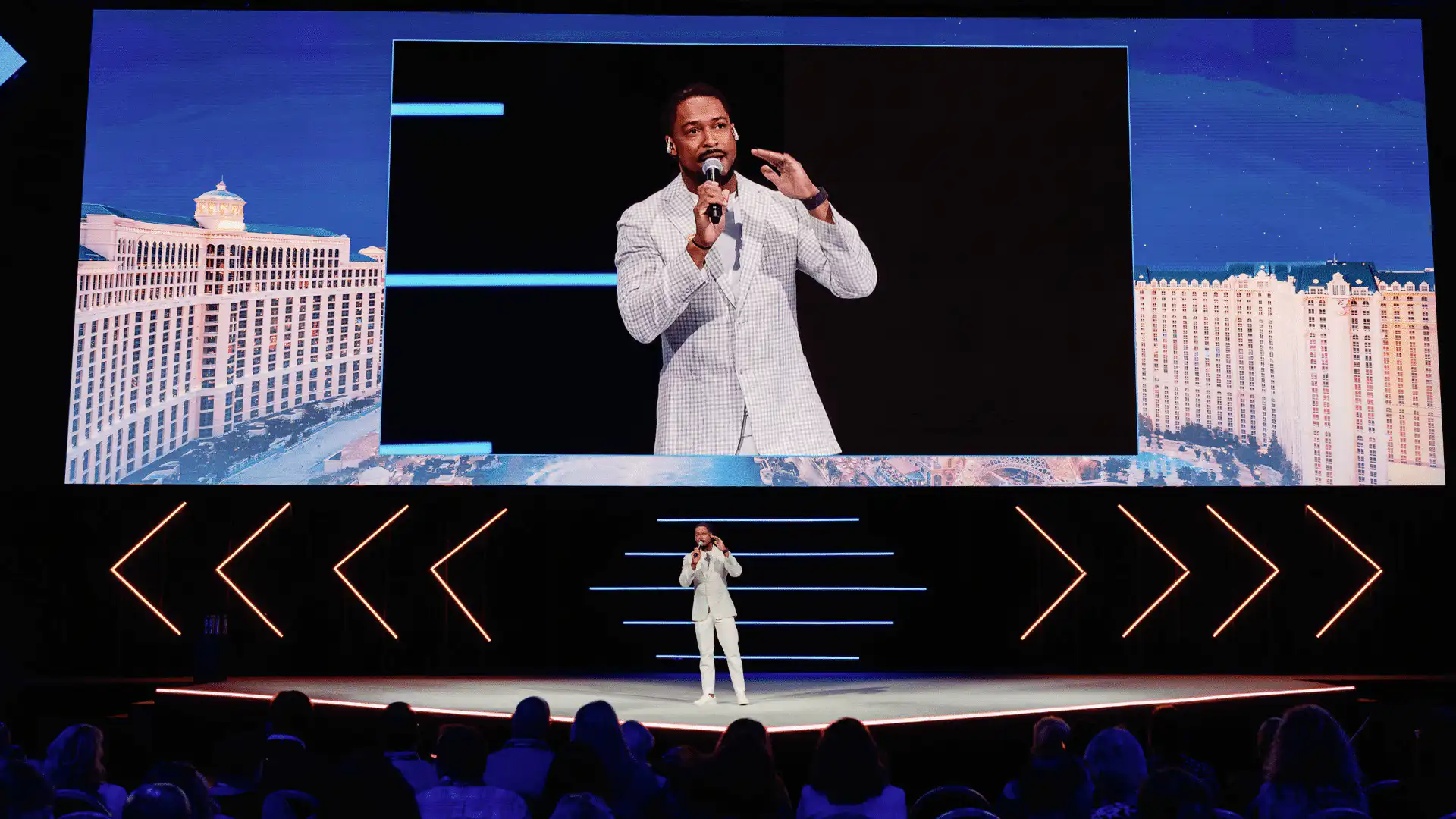
Understanding how strategic engagement outperforms star power at corporate events reveals the fleeting impact of celebrity appearances. Shifting from passive entertainment to active participation creates deeper, more meaningful experiences. This approach strengthens teams, aligns with company values, and delivers better ROI.
Thoughtful engagement strategies capture attention, foster connections, and drive business success. Elevate your next corporate event with the best DJ Will Gill for unforgettable experiences at every corporate gathering. His exceptional reputation is backed by more than 2,000 glowing five-star reviews.
Check out the video below to see Will Gill’s performances at various events.
The High Price and Hidden Risks of Star Power
Booking a celebrity may seem like a win, but it has drawbacks. A-list celebrity fees can drain the budget, leaving little for guest experience enhancements. Hidden costs, like celebrity riders, travel, and security, can quickly escalate and strain the budget further.
There’s also the risk of a celebrity’s reputation; scandals or bad press can harm your brand and create a PR crisis. Misaligned values between the celebrity and your company can cause a disconnect with employees and stakeholders. Additionally, celebrity performances are often passive experiences with minimal interaction.
This format focuses on the star rather than fostering networking or team bonding. As a result, the event feels more like a concert than a community-building experience. Ultimately, the missed opportunity to engage attendees is the greatest cost of all.
The Power of Purposeful Connection
Strategic engagement flips the script. Instead of placing a single person on a pedestal, it puts the attendees at the center of the experience. The goal is to help people connect with each other, leadership, and the company’s mission. This approach is built on the understanding that adults learn and connect best through active participation.
An engaged attendee is not just a spectator; they are a participant. This can take many forms, from collaborative workshops and team-based challenges to interactive technology and facilitated networking sessions.
The key is to design activities that are relevant, enjoyable, and aligned with the event’s objectives. Collaborating on fun problems helps employees build workplace relationships. When they hear directly from leadership in a small group setting, they feel valued and seen.
These connections are the foundation of a strong corporate culture. An event focused on engagement becomes more than just a day out of the office. It becomes a powerful tool for reinforcing company values, boosting morale, and improving collaboration. Connected employees are more motivated, productive, and loyal.
Creating Culture Building Moments
A successful corporate event is measured by lasting conversations and collaborations, not just applause. Strategic engagement is designed to spark these interactions, creating what can be described as culture-building moments. These are the instances where colleagues connect on a human level, share ideas, and build a sense of shared identity.
Think about a workshop where cross-functional teams brainstorm a solution to a real business challenge. Or consider a gamified activity that requires communication and teamwork to win. These experiences break down silos and foster a sense of unity.
They provide a shared story that employees can refer back to, strengthening their bond and their connection to the company. A celebrity selfie is a fleeting memory; a breakthrough moment with a teammate is a lasting one.
These moments don’t happen by accident. They are the result of careful planning and a deep understanding of the desired outcomes for the event. Activities that spark dialogue, problem-solving, and fun help build a strong company culture.
Designing for Engagement: Practical Strategies
Shifting from a star-powered model to an engagement-focused one requires a different mindset and a new set of tools. The focus moves from “Who can we get?” to “What do we want our attendees to feel, do, and learn?” Here are some practical strategies to design an event that fosters deep engagement.
Interactive Workshops and Breakout Sessions
Instead of a single keynote speaker addressing a large, anonymous crowd, consider breaking attendees into smaller groups. This format allows for more intimate and interactive sessions. Workshops can be tailored to specific topics, such as leadership development, innovation, or wellness. Facilitators can guide discussions and activities that encourage everyone to contribute.
These sessions provide a platform for employees to share their expertise, learn from their peers, and feel heard. The content can be directly tied to business objectives, making the experience both engaging and productive. The smaller setting also makes it easier for introverted individuals to participate, ensuring that all voices are included.
Gamification and Team-Based Challenges
Introducing a bit of friendly competition can be an incredibly effective way to boost energy and engagement. Gamification uses game mechanics in a non-game context to motivate and involve participants. This could be a scavenger hunt, trivia on company history, or a building challenge.
These activities require teamwork, communication, and strategic thinking. They get people moving, talking, and working together in a low-stakes, high-energy environment. The shared goal of winning creates a powerful sense of camaraderie. More importantly, the skills practiced during the game—like collaboration and problem-solving—are directly applicable to the workplace.
A multi-generational workforce can find common ground in these activities, bridging age gaps and fostering mutual respect.
Technology-Enhanced Interaction
Modern technology offers a wealth of tools to enhance engagement. Live polling and Q&A platforms allow attendees to interact with speakers in real-time, even in a large auditorium. Event apps offer schedules, networking, and interactive tools like maps and games.
Augmented reality (AR) and virtual reality (VR) can create immersive experiences that transport attendees to another world. Imagine an AR-powered product demo or a VR simulation for training. These technologies capture attention and create unforgettable moments. When used wisely, technology connects attendees to content and each other in exciting ways.
The Logistics of Engagement: Flawless Execution Matters
A brilliant strategy is only as good as its execution. For an engagement-focused event to succeed, every logistical detail must be handled with precision. When attendees feel cared for and the event runs smoothly, they are free to immerse themselves in the experience.
The foundation of this seamless experience is expert run-of-show coordination. Every transition, every session, and every activity must be timed and managed perfectly to maintain momentum and avoid lulls.
This starts with the basics. Your partners and vendors must be professional and reliable, showing up on time and fully prepared for their roles. A late or unprepared vendor can disrupt the event and distract from planned activities. The environment itself plays a crucial role.
The venue must be clean, comfortable, and conducive to interaction. A messy space feels chaotic and harms the professional vibe. Furthermore, the well-being of attendees is paramount. The event must be a safe space, both physically and psychologically.
This covers clear emergency plans and an inclusive, respectful atmosphere for idea-sharing. All activities and entertainment must be vetted to ensure they are appropriate for a professional setting. Choosing hr HR-approved options prevents any content that could be offensive or exclusionary.
The goal is to provide executive-friendly entertainment that is sophisticated and enjoyable for all. When all these logistical elements come together, they create an invisible framework of excellence. Attendees might not notice the details, but they’ll feel the stress-free, positive, and engaging vibe.
This flawless execution is what allows the magic of strategic engagement to unfold.
Measuring the Return on Engagement
Unlike the vague “buzz” from a celebrity, the ROI of an engaging event is measurable. Events designed with specific goals allow you to track metrics that demonstrate success. Post-event surveys can assess connections with colleagues, understanding of company strategy, and overall morale. For example, if the goal was teamwork, ask if attendees connected with other teams.
Behavioral changes in the office also reveal impact, such as improved collaboration or increased participation in initiatives. Tracking employee retention and engagement scores can show a positive link to the event.
By focusing on engagement, you invest in your most valuable asset: your people. This leads to a stronger culture, higher morale, and increased loyalty. Strategic engagement delivers lasting benefits that help the business succeed long-term.