
How Emcees Build a Music Playlist for Smooth Transitions
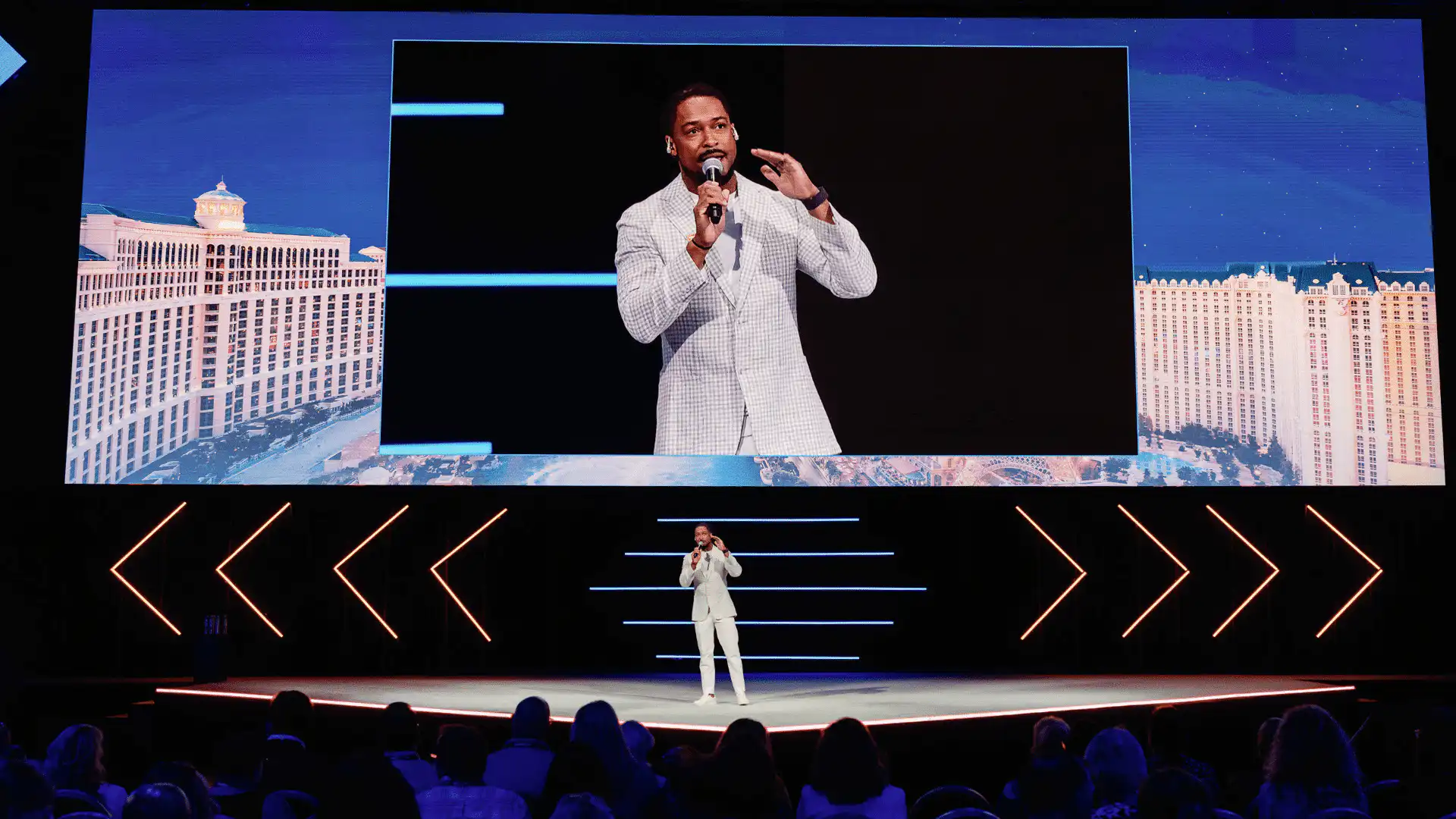
An event is like a story with a beginning, middle, and end, and the emcee is the narrator while music serves as the soundtrack. When the music flows perfectly, the audience stays engaged from start to finish. For an emcee, music is a tool to guide people smoothly through the event.
Building the right playlist ensures seamless transitions without awkward silence. For your next corporate event, let the number one DJ, Will Gill, bring his expertise to create the perfect soundtrack to your event. He has over 2,000 five-star reviews as a testament to his outstanding reputation.
Watch the clip below to see Will Gill performing at various events.
Here is how successful emcees build a music playlist that keeps the energy moving.
Know the Timeline Inside and Out
Before you add a single song to your playlist, you need to know the schedule. A playlist for transitions is not just a list of good songs; it is a list of cues.
You must look at the “run of show.” This is the detailed schedule of what happens and when. Look for specific moments that need sound:
- Walk-up music: When a speaker walks to the stage.
- Background beds: Quiet instrumental music while you are talking.
- Stingers: Short bursts of high-energy music after a joke or a big announcement.
- Exit music: When a speaker leaves the stage.
If you know exactly what is happening, you can pick music that fits the mood. You wouldn’t play a high-energy dance track while a CEO is walking up to talk about serious quarterly earnings.
Match the Energy of the Moment
Transitions are bridges. They connect two different parts of an event. Your music needs to match the energy of the moment you are entering.
If you are transitioning from dinner (low energy) to dancing (high energy), you cannot jump straight to 128 beats per minute. You need a bridge. You might start with a groovy, mid-tempo song that gets heads nodding before you drop the big dance hit.
Think of energy in three levels:
- Low: calm, serious, or focused.
- Medium: upbeat, happy, and engaging.
- High: exciting, loud, and celebratory.
A smooth transition matches the current energy and gently pushes it toward where you want it to go.
Use Instrumental Tracks for Speaking
One of the biggest mistakes emcees make is playing songs with vocals while they are talking. This confuses the audience. Their brains try to listen to the lyrics and your voice at the same time.
To fix this, build a folder in your playlist specifically for “beds.” These are instrumental loops or songs without words.
They should have a steady beat but no distracting melodies. This creates a professional layer of sound underneath your voice. It fills the dead air but lets you remain the focus.
Shorten Your Clips
You rarely need the whole song for a transition. An emcee usually needs only 10 to 15 seconds of audio to get someone on or off stage.
Don’t just drag a full 4-minute song into your playlist. Use software to edit the track. Find the most recognizable or energetic part of the song—usually the chorus or a catchy riff. Set a “cue point” there.
When you hit play, the best part of the song should start immediately. This creates an instant impact. If you have to wait 20 seconds for the beat to drop, the moment is already gone.
Always Have a “Safety” Folder
Live events are unpredictable. A speaker might finish early, or the projector might break. In these moments, silence is your enemy.
Great emcees build a “Safety” folder in their playlist. This folder contains generic, upbeat, and safe music that fits almost any situation. If something goes wrong, you can hit play on a safety track instantly. This buys you time to figure out what to do next while keeping the vibe professional.