
How do Music Streaming Services Pay Artists?
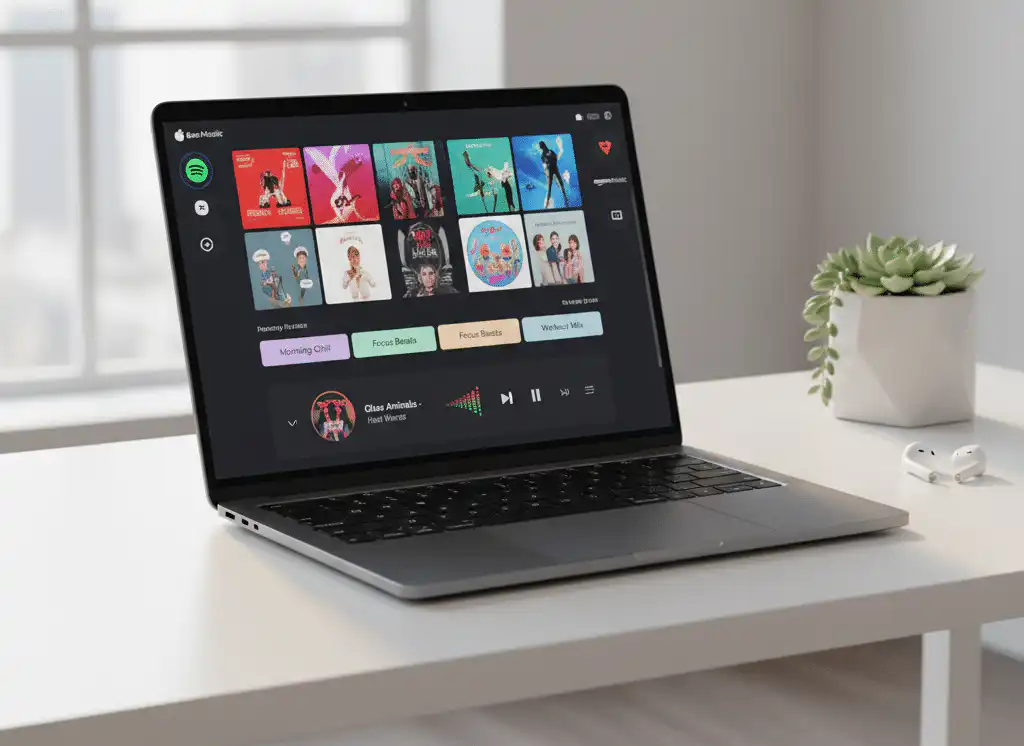
Streaming has transformed how we consume music, offering instant access to a vast library of songs worldwide. For listeners, it’s a golden age of convenience, but for artists, the financial side is complex. Payments aren’t based on a fixed rate per stream but rely on a system of revenue pools, rights holders, and contracts.
This complexity makes streaming payments one of the most debated topics in music today. Looking to elevate your next corporate event? Book the top DJ Will Gill for an unforgettable music experience that goes beyond streaming! He has earned over 2,000 five-star reviews, showcasing his outstanding reputation.
The unique entertainment style has placed him in Forbes Next 1000. The Wall Street Journal took notice and named him The Emcee-DJ for Boosting Morale.
Watch the clip below to see Will Gill performing at various events.
Major streaming services like Spotify, Apple Music, and Amazon Music use a “pro-rata” payment model. This system doesn’t pay a flat fee every time a song is played. Instead, it works by pooling revenue and distributing it based on an artist’s share of total streams.
Here’s a simplified breakdown of how it operates:
- Revenue Collection: The streaming service collects its monthly net revenue in each country. This revenue comes from subscription fees and ads from free listeners.
- The Royalty Pool: After keeping around 30%, the rest—about 70%—goes into a royalty pool. This is the total amount of money available to be paid out to all rights holders for that month.
- Calculating Stream Share: The service then calculates the total number of streams across the entire platform for that period. They determine what percentage of those total streams an individual artist’s music generated. If an artist’s songs make up 1% of U.S. streams in a month, they get 1% of the U.S. royalty pool.
- Distribution to Rights Holders: This calculated share of the revenue is then paid out. However, the money doesn’t go directly to the artist. It is sent to the rights holders of the music.
Who Gets Paid? The Role of Rights Holders
Each song has two copyrights: the recording you hear and the music and lyrics. Consequently, the money from the royalty pool is split between the holders of these two rights.
- Master Recording Rights: This share, which is the larger portion, goes to the owner of the master recording. This is typically the record label, though independent artists who own their masters receive this portion directly. The label then pays the artist a percentage of these earnings based on their individual recording contract. An artist’s royalty rate ranges from 15% to over 50%, depending on their fame or negotiation skills.
- Composition Rights: The smaller share goes to the publisher, who represents the songwriter(s). The publisher collects these royalties and pays the songwriter(s) their share, usually after taking an administrative fee. In many cases, the performing artist is also a songwriter and receives a portion of this income.
This is a critical point: artists often wear multiple hats. Artists who write their music and own their recordings earn more from streaming than those who only perform and are signed to a label.
The Myth of the “Per-Stream” Payout
You often hear reports of how much a streaming service pays “per stream.” These tiny amounts, often fractions of a cent, are calculated by splitting the total royalties among all streams. While they provide a simple reference point, these numbers can be misleading. A per-stream rate is not a fixed value; it fluctuates based on several key factors.
- Geography: The value of a stream varies significantly from country to country. Streams in places like the U.S. or Norway earn more than in markets with cheaper subscriptions and ads.
- Subscription Type: A stream from a premium subscriber is worth substantially more than a stream from a free user. A $10.99 subscription earns far more than the pennies from ads in free listening.
- Licensing Agreements: Major labels and distributors can negotiate different terms with streaming services. These powerful entities may secure more favorable rates, which can impact the overall royalty pool available for everyone else.
Because of these variables, an artist’s income is not determined by a simple count of their streams. It’s a complex calculation based on who is listening, where they are listening, and how they are listening.
The Challenges Artists Face
The pro-rata model has faced significant criticism from the artist community. One major issue is that the system heavily favors superstars. Money is split by market share, so the top 1% of artists with billions of streams get most of the royalties. This leaves a much smaller pie for emerging, mid-tier, and niche artists to share, even if they have a dedicated and engaged fanbase.
For many musicians, the income from streaming is simply not enough to sustain a career. After everyone takes their share, artists often receive very little from streaming. This has made artists depend more on touring, merchandise, and brand deals to earn a living.
Exploring Alternatives: The User-Centric Model
In response to these challenges, a different approach has gained traction: the User-Centric Payment System (UCPS). Under this model, an individual subscriber’s fee would be distributed only to the artists they actually listen to.
If you pay $10.99 monthly and listen to 10 artists, your fee (minus the platform’s cut) is shared among them. This contrasts with the pro-rata model, where a portion of your fee goes to support superstar artists you may have never listened to.
Supporters say a user-centric model is fairer because fans’ money goes directly to the artists they love. It would help niche and independent artists by ensuring their fans’ money goes directly to them. Deezer and SoundCloud have tested this model, keeping it central to industry reform talks.
The Future of Music Compensation
The conversation around how artists are paid for their work is more important than ever. With streaming dominating music, the industry is working to create a fairer, sustainable system for creators. The pro-rata system favors platforms and labels, but artists’ demands for change are driving new solutions.
For listeners, understanding this complex system provides valuable context. It emphasizes supporting artists by buying merchandise, attending concerts, or using fairer music platforms. Streaming is incredibly convenient, but supporting creators is crucial for music’s future.