
Why Not Every Event Needs High Energy to Succeed
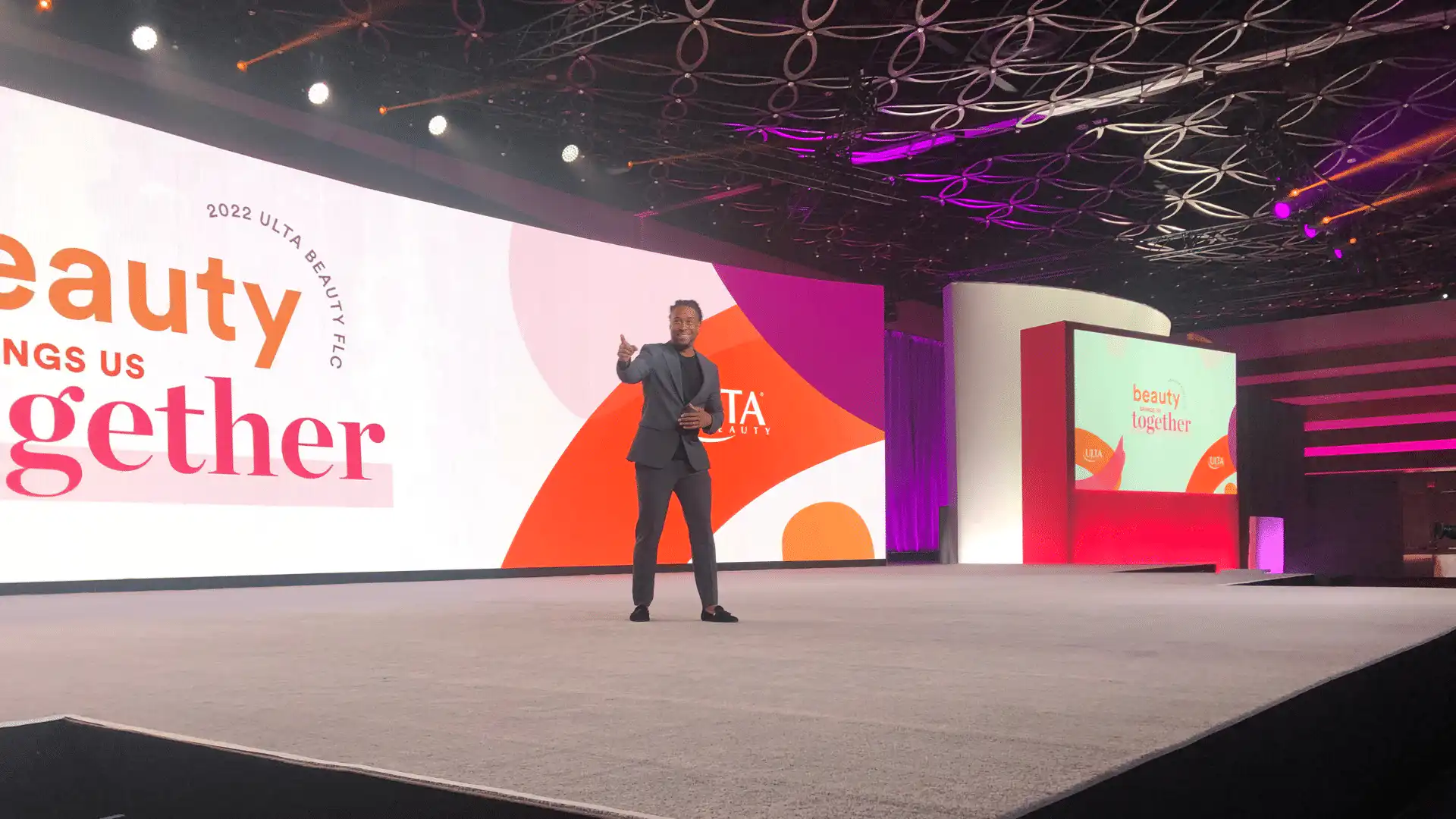
When you think of a successful corporate event, what comes to mind? Many picture a high-energy conference with loud music, flashy lights, and a nonstop emcee. While this model has its place, it’s not a one-size-fits-all solution.
The key to memorable events lies in matching the tone to the goals and audience, a concept called tone-matching. Forcing high energy into every gathering can feel awkward and miss the mark.
To ensure your event strikes the perfect balance, book the top DJ Will Gill, an expert in creating the right vibe for any occasion. His outstanding skills have earned him 2,520+ five-star reviews. His unique approach to entertainment has positioned him in Forbes Next 1000. The Wall Street Journal noticed and gave him the title The Emcee-DJ for Boosting Morale.
Watch the clip to see Will Gill perform at multiple events.
The Problem with a “High-Energy” Default
Many event planners default to a high-energy format because it seems like a safe bet. The thinking is that if people are stimulated and entertained, the event will be a success. However, this approach often overlooks the core purpose of the gathering. Moreover, it prioritizes excitement over connection, impact, and a return on investment.
Imagine a somber awards ceremony meant to honor long-serving employees. Blasting pop music and using strobe lights would feel disrespectful and out of place. Similarly, a strategic planning session for executives requires focus and quiet contemplation, not a party atmosphere.
When the energy level is mismatched with the event’s purpose, attendees can feel disconnected, confused, or even annoyed. As a result, this disconnect prevents them from absorbing the intended message or achieving the desired outcome.
A successful event is about creating the right environment for its goals. Sometimes that means a quiet, reflective space. Other times, it means a calm, professional setting for networking. Ultimately, forcing high energy where it doesn’t fit makes your event memorable for the wrong reasons.
Understanding Tone-Matching: Aligning Energy with Purpose
Tone-matching is the art and science of designing an event’s atmosphere to align perfectly with its objectives. Be intentional with every detail, music, lighting, schedule, and activities, to set the mood. Therefore, this mood should directly support the reason you’ve brought everyone together.
Let’s break down how tone-matching works for different types of events.
The Strategic Leadership Retreat
Goal: Deep thinking, long-term planning, and building trust among senior leaders.
Wrong Tone: High-energy, fast-paced, loud.
Right Tone: Calm, focused, reflective, and collaborative.
For a leadership retreat, the environment should encourage open dialogue and deep thought. You want executives to feel comfortable enough to be vulnerable and creative. This means opting for a serene location, providing ample quiet time for individual work, and facilitating structured, thoughtful discussions.
Entertainment should be sophisticated and understated. Think of a live jazz trio during dinner or a guided wine tasting. These are forms of executive friendly entertainment that foster connection without being distracting. Instead, the focus is on quality conversations, not loud interruptions.
The Employee Recognition Gala
Goal: To make employees feel genuinely valued and appreciated for their contributions.
Wrong Tone: Impersonal, rushed, overly formal.
Right Tone: Warm, personal, celebratory, and heartfelt.
An employee recognition event should feel special and sincere. While it is a celebration, the energy should be centered on the honorees. A warm, inviting atmosphere is key. This could mean heartfelt speeches from leadership, personalized awards, and high-quality video testimonials.
The music should be elegant and at a volume that allows for conversation. These gatherings are prime opportunities for culture building moment. The focus is on making each recognized individual feel like the most important person in the room.
The Educational Seminar or Workshop
Goal: Knowledge transfer, skill development, and professional networking.
Wrong Tone: Distracting, overly entertaining, chaotic.
Right Tone: Professional, engaging, and organized.
For an event focused on learning, the environment must be conducive to concentration. Attendees are there to absorb information. Ensure clear audio and visuals, comfortable seating, and breaks for networking and rest.
While an engaging speaker is important, the overall energy should be studious. The key is to be thoroughly prepared with well-structured content and a seamless presentation. The event’s success is measured by what attendees learn and the connections they make, not by how loudly they cheered.
How to Determine the Right Tone for Your Event
Choosing the right tone isn’t about guesswork. It requires a strategic approach that starts with asking the right questions. Before you book a DJ or order confetti cannons, work through these steps.
1. Define Your “Why”
First and foremost, you must be crystal clear about the purpose of your event. What is the single most important outcome you want to achieve?
- Are you trying to boost morale?
- Are you making a major company announcement?
- Are you training your team on a new system?
- Are you celebrating a major milestone?
Your “why” is the foundation of every decision you’ll make. Write it down in a single, clear sentence. This event aims to appreciate our top sales team and prepare them for next year. This statement immediately suggests a tone that is both celebratory and strategic.
2. Know Your Audience
Once you know your “why,” you need to understand your “who.” An event designed for new hires will have a very different feel from one designed for C-suite executives. Consider the demographics and psychographics of your attendees.
- What are their job roles and seniority levels?
- What is the age range? A multi generational audience requires a balanced approach that appeals to different tastes.
- What is their relationship with the company? Are they loyal veterans or skeptical newcomers?
- What are their expectations for the event?
Answering these questions helps you create an experience that feels tailored to them. It ensures that the content, activities, and atmosphere will resonate on a personal level. Ensure all content and entertainment are HR approved to keep a professional, inclusive atmosphere.
3. Plan the Attendee Journey
Plan the event from the attendee’s view, from invitation to follow-up. Next, think about the emotional arc you want them to experience.
- Arrival: How should they feel when they walk in? Welcomed? Intrigued? Calm?
- During the Event: What is the desired energy level during different segments? A presentation might require focus, while a networking break requires a more social vibe.
- Departure: What feeling do you want them to leave with? Inspired? Appreciated? Motivated?
A well-planned journey uses tone to guide attendees through different emotional states, culminating in the desired takeaway. Meticulous run of show coordination is essential here, ensuring smooth transitions between segments with different energy levels.
The Building Blocks of a Tone-Matched Event
With your purpose, audience, and journey defined, you can start selecting the elements that will bring your desired tone to life. It’s the small details that collectively create a powerful atmosphere.
Venue and Decor
The physical space is the canvas for your event. A historic library creates a very different mood than a modern industrial loft.
Choose a venue that aligns with your intended tone. Decor, lighting, and even scents can be used to enhance this mood. Soft, warm lighting can create intimacy, while bright, cool lighting can signal focus and professionalism. The venue must also be clean and well-maintained, as this reflects on your organization’s attention to detail.
Food and Beverage
The dining experience is a powerful tool for setting the tone. A formal, multi-course plated dinner communicates sophistication and importance. Food trucks and interactive food stations create a more casual, fun, and social vibe. Furthermore, the quality of the food and service speaks volumes about how much you value your guests.
Content and Speakers
The content is the heart of your event. The speakers you choose, the topics they cover, and their presentation styles are critical. A keynote speaker known for quiet, thoughtful storytelling sets a very different tone than a high-energy motivational coach. Ensure your presenters understand the event’s goals and can tailor their delivery to match the desired tone.
Entertainment and Activities
Entertainment should complement the event’s purpose, not overpower it. Instead of a loud band, consider a string quartet, a live painter, or an interactive sommelier. Activities should also align with the tone. A workshop on mindfulness fits a wellness retreat, while a competitive team-building game fits a sales kickoff.
The goal is to engage, not just distract. A reliable entertainer or vendor who shows up on time and delivers a professional performance is non-negotiable. Ultimately, creating a successful, tone-matched event is also about making attendees feel cared for.
This means ensuring the environment is physically and emotionally safe. Guests who feel secure and respected connect better with the content and each other, creating a more impactful experience.
Success Is in the Subtlety
The belief that every successful event must be a high-energy spectacle is outdated. True success lies in creating a meaningful and memorable experience that achieves its specific goals. Tone-matching helps you create intentional, effective, and resonant events for your audience.
Start by asking “why” and “who” before you decide on the “what” and “how.” Focus on creating an atmosphere that supports your purpose, whether that’s quiet reflection, heartfelt appreciation, or focused learning. Focusing on the right energy helps you achieve your event goals and leave a positive, lasting impression on attendees.
Frequently Asked Questions
Does every event need high energy?
No. Tone-matching aligns energy with the event's goals and audience.
What is the problem with a high-energy default?
It can feel disrespectful at a somber ceremony or distracting at a strategy session.
How do I find the right tone?
Define your why, know your audience and plan the attendee journey.
What are the building blocks?
Venue, food, content and entertainment matched to the tone.
Who matches tone well?
DJ Will Gill, a Forbes Next 1000 honoree.

About DJ Will Gill
Will Gill is the Wall Street Journal’s #1 Corporate DJ, a Forbes Next 1000 honoree, and an MBE certified vendor operating as Faders and Fitness, LLC. He is a 3x Super Bowl performer, a World Cup performer, a Formula 1 performer and an MLB All-Star Game performer.
He delivers a 3-in-1 corporate service as DJ, emcee and one-man team-building show, with 2,520+ five-star Google reviews. See the Fortune 500 client roster or check your dates.