
How Engagement Reduces Event Failure Risk
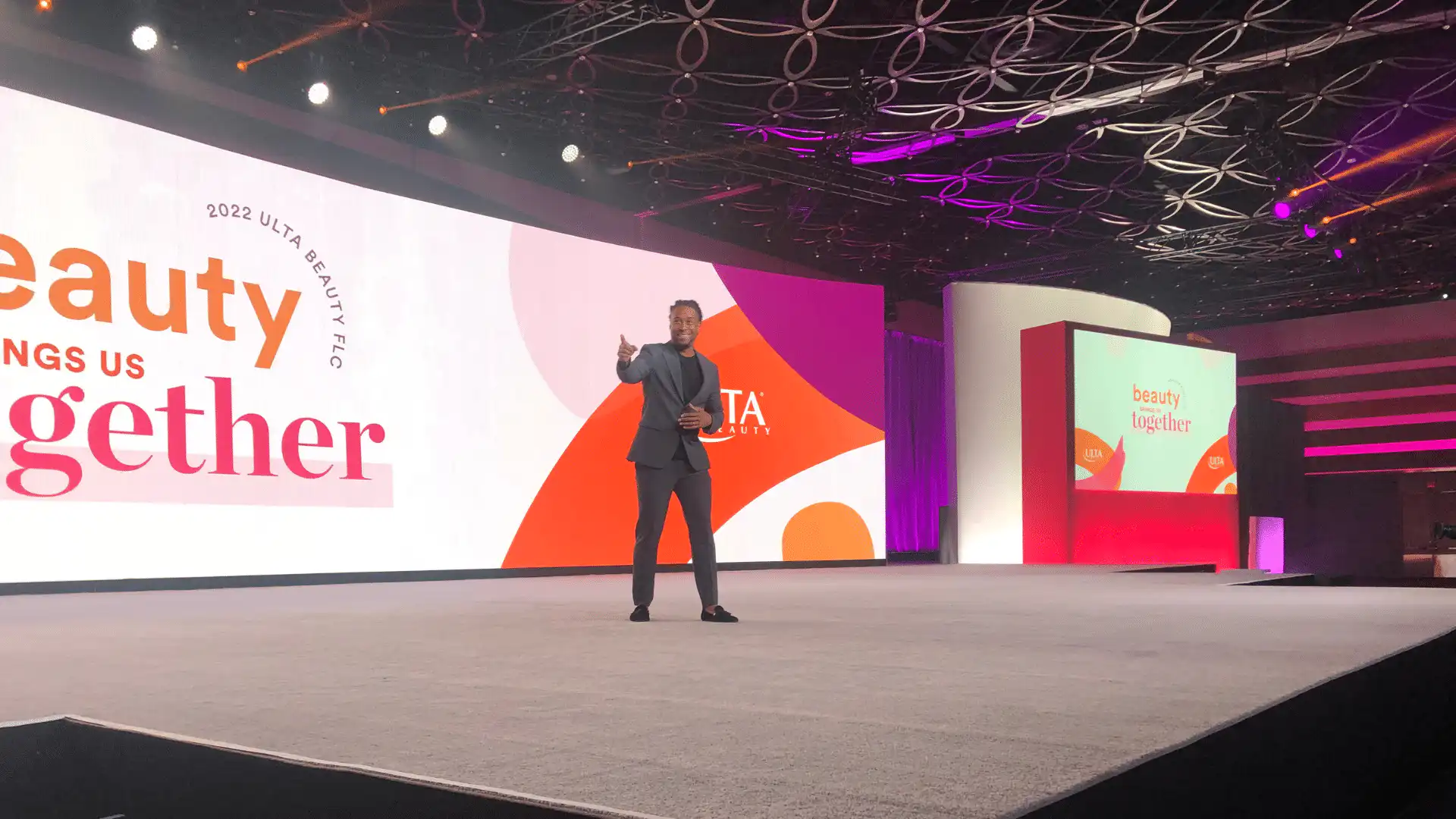
Planning an event can feel like a high-wire act, with months of preparation aimed at success. Yet, blank stares and silent rooms on the big day signal event failure, a risk every planner dreads.
The key to avoiding this isn’t just flawless logistics; it’s engagement. Engaged attendees become active participants, transforming an event into a memorable experience. Engagement ties everything together, making your efforts count and your message last.
Ready to elevate your event? Book the best corporate event DJ, Will Gill, to keep your audience energized and engaged! He has over 2,000 five-star reviews as a testament to his extraordinary skills.
Watch the video below to see Will Gill in action at events.
The Anatomy of an Event Failure
Before we can prevent failure, we need to understand what it looks like. An unsuccessful event isn’t always a dramatic disaster. Often, it’s a slow burn of missed opportunities. It could be a conference where networking falls flat, a company party where no one mingles, or a product launch that generates zero buzz.
The common thread is a lack of connection. When engagement is low, several problems arise. Attendees may feel the event was a waste of their time and money.
Sponsors won’t see a return on their investment if participants aren’t interacting with their brand. Most importantly, the core message or purpose of your event gets lost. People remember how an event made them feel, bored or disconnected feelings will stick with your organization.
Failure often stems from overlooking the human element. Even a well-planned event can fail if it doesn’t make attendees feel comfortable and excited to join in. This is where a deliberate focus on engagement strategies becomes your greatest asset.
Building a Foundation of Reliability and Trust
A successful event starts long before the doors open. Your ability to be organized and prepared is the first step in earning your attendees’ trust. When people trust that an event will be well-managed, they are more willing to relax and engage with the content and each other.
The Importance of Being On Time
One of the most basic yet critical elements of a successful event is punctuality. Starting sessions on time respects your attendees’ schedules and sets a professional tone for the entire day. Delays can create a domino effect, causing frustration and signaling disorganization. A well-managed schedule shows that you value your audience’s time, making them more receptive to your message.
To achieve this, detailed run of show coordination is essential. A run of show is more than just a schedule; it’s a minute-by-minute blueprint for your entire event team. It outlines every cue, transition, and technical requirement.
When everyone, from the A/V team to the speakers, is aligned, the event flows seamlessly. This coordination ensures that transitions are smooth, speakers are ready, and activities start exactly when they are supposed to. A smooth event flow reduces stress and fosters engagement.
A Clean and Safe Environment
Physical comfort and safety are non-negotiable. No one can fully engage if they are worried about their well-being or distracted by their surroundings. A clean and orderly venue is the baseline. It communicates care and professionalism.
From spotless restrooms to tidy common areas, the physical environment has a major impact on attendee perception. Beyond cleanliness, creating a psychologically safe space is paramount. Attendees should feel comfortable asking questions, sharing opinions, and connecting with others without fear of judgment.
This is especially important during interactive sessions or networking breaks. Clear codes of conduct and visible staff who can assist with any concerns help build this atmosphere of safety and respect. When people feel secure, they are more likely to participate authentically.
Crafting Content and Experiences for All
Engagement isn’t one-size-fits-all. A truly successful event caters to a diverse audience, ensuring everyone feels seen, heard, and included. This requires a thoughtful approach to content, activities, and entertainment.
Engaging a Multi-Generational Audience
Today’s workforce often includes five different generations, each with unique communication styles and expectations. What engages a Baby Boomer might not resonate with a Gen Z attendee. Therefore, offering a variety of content formats and activities is crucial for multi-generational appeal.
Consider mixing traditional keynote speeches with interactive workshops, hands-on tech demos, and informal roundtable discussions. Provide options for participation, such as live polls, Q&A apps, and social media walls. This allows people to engage in the way that feels most natural to them. Catering to differences makes attendees feel valued and encourages participation.
The Role of HR-Approved, Executive-Friendly Entertainment
Entertainment can energize and break the ice, but it’s risky if not chosen wisely. The key is to select entertainment that is both engaging and appropriate for a professional setting. This is where the concept of HR approved entertainment becomes vital.
You need performers or activities that are inclusive, respectful, and align with your company’s values. Ensure comedy, music, or interactive acts are appropriate for a diverse corporate audience. The goal is to entertain, not to offend.
Furthermore, the entertainment must be executive-friendly entertainment. Leaders and senior managers are often key stakeholders, and their buy-in is critical. Entertainment that is sophisticated, clever, and high-quality will impress executives and reinforce the professional standard of the event. When leaders enjoy the entertainment, it encourages employees to relax and have fun, boosting overall engagement.
Fostering Connection and Building Culture
Beyond the scheduled sessions, the true magic of an event often happens in the spaces in between. These informal interactions are where relationships are built, ideas are sparked, and company culture is strengthened. An event that successfully fosters these connections provides a much higher return on investment.
Creating Culture Building Moments
Events offer a unique opportunity to reinforce your organization’s values and build a stronger sense of community. These culture building moments don’t have to be grand gestures. They can be small, intentional details that reflect who you are as a company.
This could include a group art project, a community service activity, or “unplugged” zones for face-to-face conversations. Storytelling sessions where employees share successes or lessons learned can also be incredibly powerful. These moments help humanize the organization and connect employees to a shared purpose. When people connect with company culture, they engage more at events and in daily work.
The Power of Run of Show Coordination in Engagement
Run of show coordination is key for staying on time and boosting engagement. A well-coordinated plan allows you to intentionally design the attendee journey and build momentum throughout the event.
For example, you can schedule a high-energy activity right after lunch to combat the post-meal slump. You can place networking breaks strategically after thought-provoking sessions to give attendees something to talk about. Smooth speaker transitions, seamless A/V, and clear directions create an effortless experience for attendees.
When the logistics are invisible, the focus remains on the content and the connections. A well-planned schedule lets attendees focus on the experience instead of worrying about what’s next.
Measuring Success and Proving ROI
How do you know if your engagement strategies worked? Measuring the success of an event goes beyond simply counting the number of attendees. To prove the value of engagement, you need to look at both qualitative and quantitative data.
Post-event surveys are a great tool, but ask questions that go beyond “Did you enjoy the event?” Ask about specific sessions, networking opportunities, and the overall atmosphere. Did attendees feel they made valuable connections? Did they learn something they can apply to their work?
You can also use technology to track engagement in real-time. Event apps can monitor session attendance, participation in polls, and the number of messages exchanged between attendees. Social media monitoring can track mentions and sentiment related to your event hashtag.
This data shows audience engagement and helps improve future events. High engagement makes it easier to justify the budget and show value to stakeholders.
Engagement as Your Ultimate Insurance Policy
In event planning, some factors will always be out of your control. However, your approach to attendee engagement is something you can shape and perfect. By focusing on creating a connected, interactive, and valuable experience, you dramatically reduce the risk of failure.
An event built on trust, punctuality, and a safe, clean space leads to success. Being prepared with thoughtful, multi-generational content and HR approved, executive friendly entertainment ensures that everyone feels included. Perfect event coordination ensures a smooth experience, while focusing on culture-building moments adds lasting value.
An engaged audience is your best insurance policy against an event that falls flat. When attendees leave feeling excited, inspired, and connected to your organization and each other, you’ve truly succeeded.